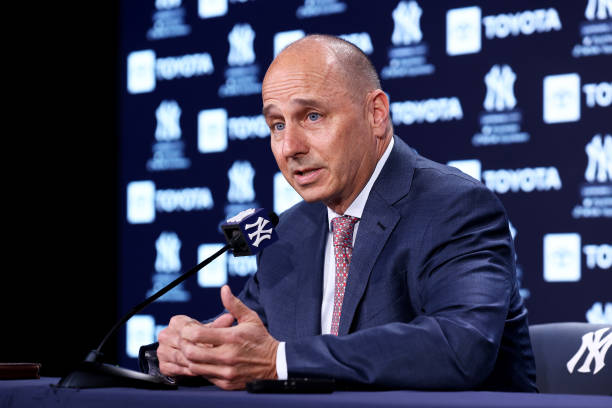
Brian Cashman didn’t sound angry. He didn’t sound defensive. And that might be the most unsettling part.
As the Los Angeles Dodgers continue to reshape baseball’s financial landscape, the New York Yankees — once the sport’s undisputed Evil Empire — are watching from a position that feels unfamiliar. Reactive. Measured. Almost restrained.
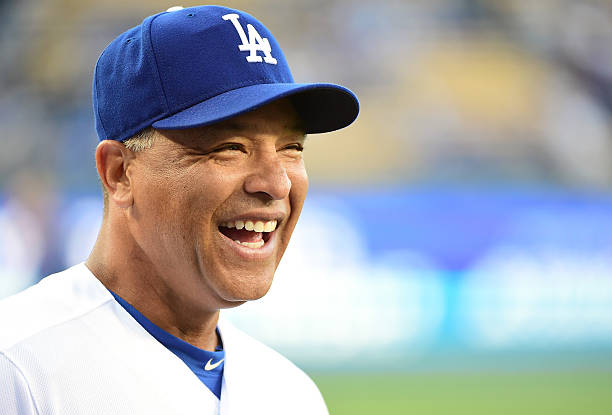
The Dodgers’ offseason has been impossible to ignore. Adding Kyle Tucker and Edwin Díaz to a roster already anchored by Shohei Ohtani and Freddie Freeman wasn’t just aggressive — it was symbolic. Their spending above the luxury tax threshold now sits around $168 million, a figure that exceeds the entire payroll of some MLB franchises.
In another era, that would have been the Yankees’ headline.
Instead, it belongs to Los Angeles.
When asked whether the current Yankees could beat the Dodgers in a hypothetical World Series rematch, Cashman didn’t bite. He redirected. Win the East. Win the pennant. Focus on what didn’t happen last year. On the surface, it sounded responsible. Underneath, it sounded like someone narrowing the conversation because the bigger picture is uncomfortable.
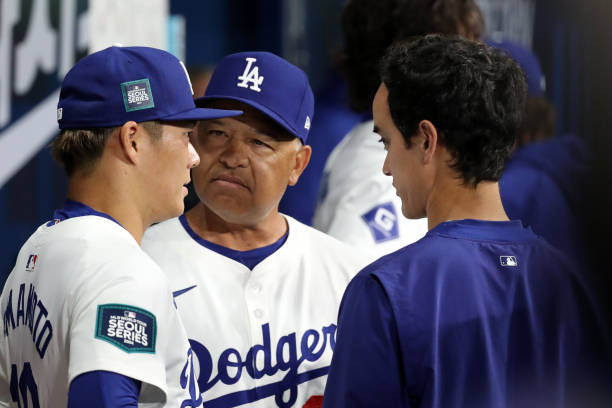
Cashman was also careful not to challenge the Dodgers’ methods. No accusations. No complaints about fairness. Just a simple acknowledgment: they’re playing by the rules.
That answer landed quietly — but it lingered.
Because what it really suggested is that the Yankees are no longer dictating the rules of engagement. They’re responding to them.
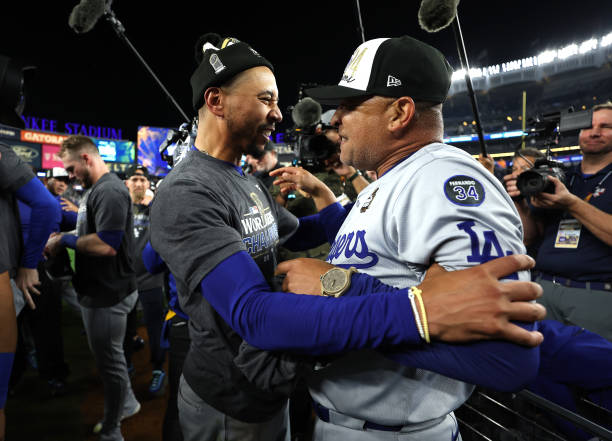
New York’s biggest move this offseason was retaining Cody Bellinger, a former Dodgers MVP. It was a significant deal, a necessary one, and yet it didn’t change the broader perception. The Yankees added strength. The Dodgers added inevitability.
That contrast is what’s bothering fans.
On paper, the Yankees still have star power. Aaron Judge. Giancarlo Stanton. A lineup capable of damage. But baseball isn’t won on paper, and last season was proof. A mid-season collapse left them chasing Toronto and Boston in the AL East. Even when they clawed back to tie the Blue Jays overall, the postseason exposed the gap. Toronto dismantled them. Los Angeles finished what was left.
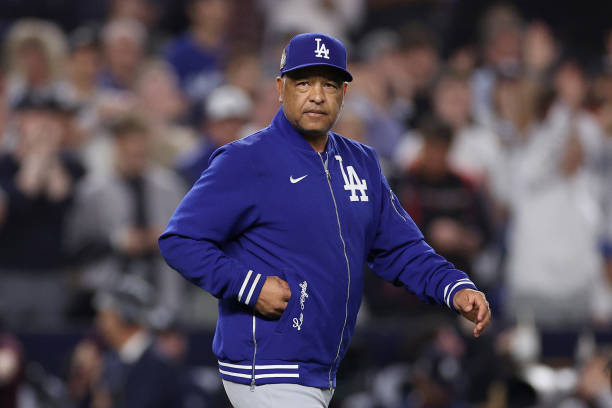
What’s different now isn’t just the Dodgers’ spending. It’s the absence of urgency in the Yankees’ tone.
There was no declaration of escalation. No hint that New York plans to match force with force. Instead, there’s patience. Process. Focused language that sounds strategic — and defensive at the same time.
Maybe that’s the point. Maybe the Yankees believe restraint is strength. Maybe they trust internal development and timing over spectacle.
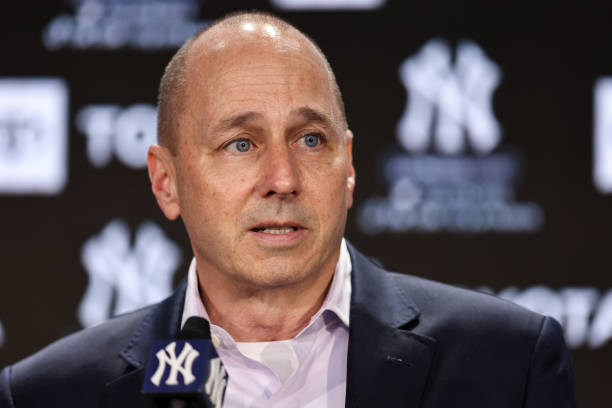
Or maybe they’re adjusting to a reality where being the biggest brand no longer guarantees being the biggest threat.
Cashman insists the only goal is to find a way. But history suggests that when power shifts in baseball, it rarely announces itself loudly. It happens quietly, season by season, until the old giant realizes it’s no longer setting the pace.
The Dodgers don’t need to call themselves the new Evil Empire. Their payroll already does that for them.
The question hovering over New York isn’t whether they can beat Los Angeles on the field.
It’s whether they’re willing to become something different to do it.
Leave a Reply