For years, the Padres lived on momentum.
Big swings. Bigger names. A front office that refused to sit still.
Now, ESPN has put a number on the cost.
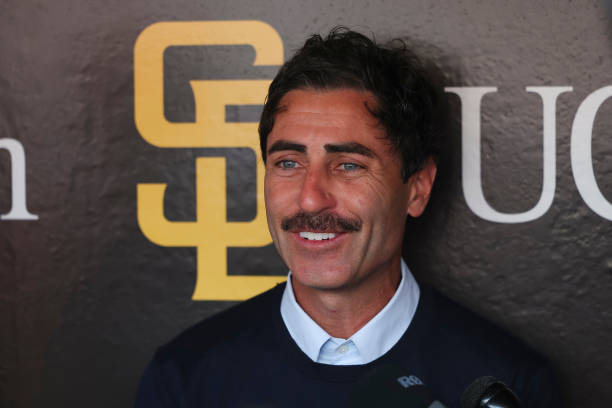
According to Kiley McDaniel’s latest evaluation, San Diego’s farm system ranks dead last in Major League Baseball — 30th out of 30 — and not by a narrow margin. The gap is wide. The verdict is blunt. And the timing makes it harder to ignore.
Just two years ago, the Padres ranked among baseball’s elite in prospect strength. Today, that system has collapsed to a valuation of just $56 million, down from $135 million a year earlier. The next-worst system? Still more than $25 million ahead.
That drop doesn’t happen by accident.
It happens when an organization pushes its chips into the middle of the table — and keeps pushing.
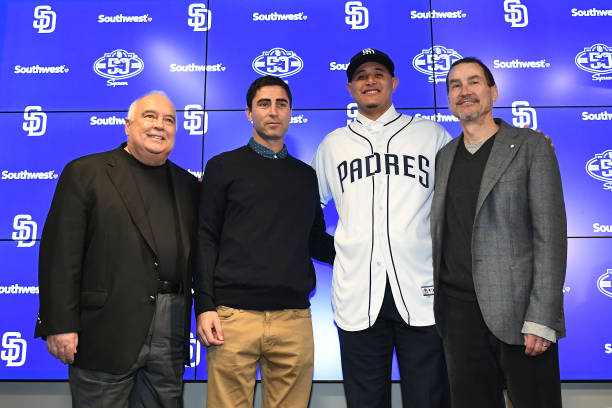
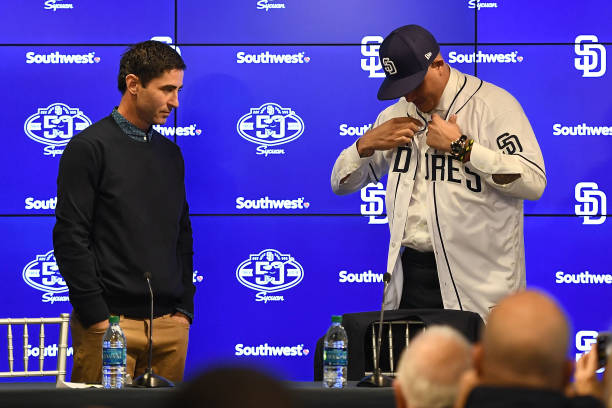
A.J. Preller’s tenure has been defined by aggression. Juan Soto. Juan Soto again. And most recently, a shocking move for Mason Miller. These weren’t incremental upgrades. They were declarations. Each trade was designed to win now, to turn potential into immediate impact.
And for stretches, it worked.
But ESPN’s ranking forces a quieter conversation: what’s left behind.
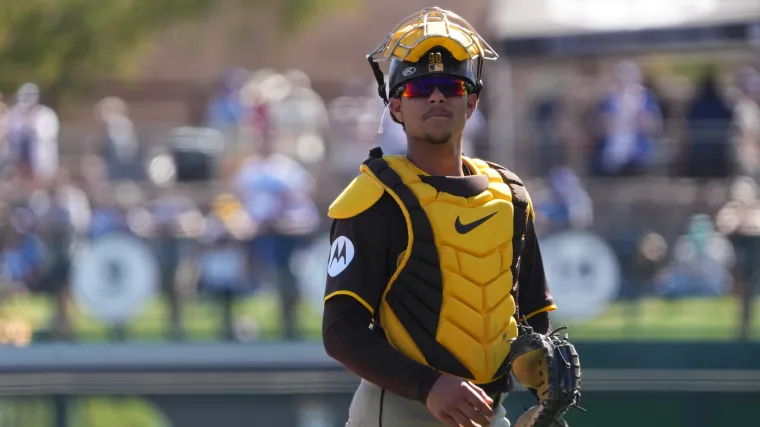
Depth is gone. High-end talent is thin. And the system’s former crown jewel, catcher Ethan Salas, no longer anchors the future the way he once did. Injuries. Regression. A slide outside the Top 100 prospects. Not catastrophic on its own — but symbolic.
This isn’t just a weak farm. It’s a hollow one.
McDaniel’s analysis pinpoints the shift precisely. Before the 2024 season, the Padres still had options. After the trade deadline, they claimed the bottom spot — and never climbed back out. That moment marked when the franchise stopped balancing the future and started borrowing from it.
The comparison is uncomfortable. Houston, another contender known for win-now moves, ranks second-to-last — yet still sits far ahead of San Diego in overall value. The Padres didn’t just empty the cupboard. They dismantled it.
To be clear, this isn’t an indictment of ambition.
Preller has rebuilt a farm system before. He did it after the first Soto deal. He’s shown creativity, patience, and an ability to flip short-term assets into long-term value when necessary.
But this time feels different.
The margin for error is thinner. The league is sharper. And with fewer blue-chip prospects to leverage, the usual escape hatches are closing faster than before.
The irony is that fans knew this was coming — just not how stark it would look on paper.
A dead-last ranking doesn’t just describe talent. It describes leverage. It affects trade conversations. It changes how other teams negotiate. And it forces uncomfortable decisions when injuries or underperformance hit the major-league roster.
San Diego still has stars. Still has expectations. Still has urgency.
What it doesn’t have is insulation.
And that’s why ESPN’s ranking feels less like news and more like a reckoning. The Padres didn’t mismanage their system — they spent it. Intentionally. Repeatedly. Confident that tomorrow could be figured out later.
Now later has arrived.
Whether Preller can pull another rebuild out of thin air remains the defining question of this era. Because the trades delivered excitement, relevance, and moments fans won’t forget.
But the silence in the minor leagues is growing louder.
And for the first time in years, the Padres’ boldest challenge isn’t chasing stars — it’s finding what’s left to build with.
Leave a Reply