Spring training has officially begun for the New York Mets, and while the spotlight naturally falls on new stars and injury updates, a quieter storyline may end up shaping the franchise’s immediate future.
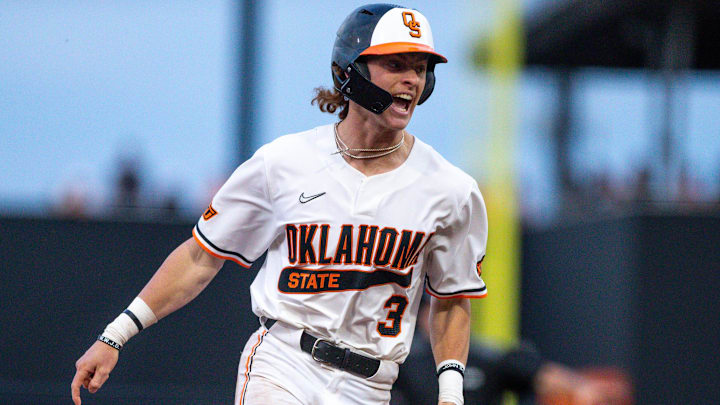
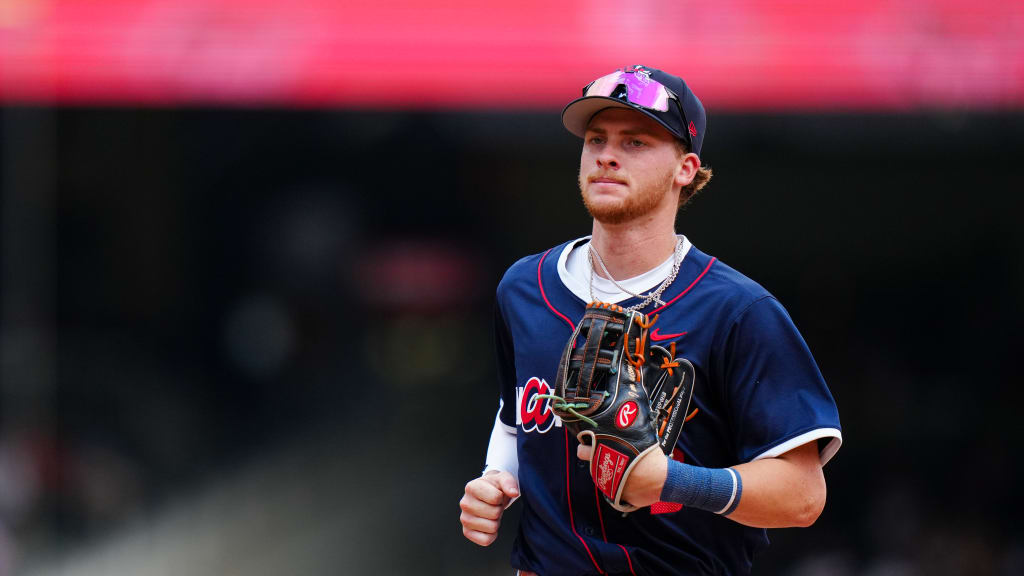
Oklahoma State Carson Benge | NATHAN J. FISH/THE OKLAHOMAN / USA TODAY NETWORK
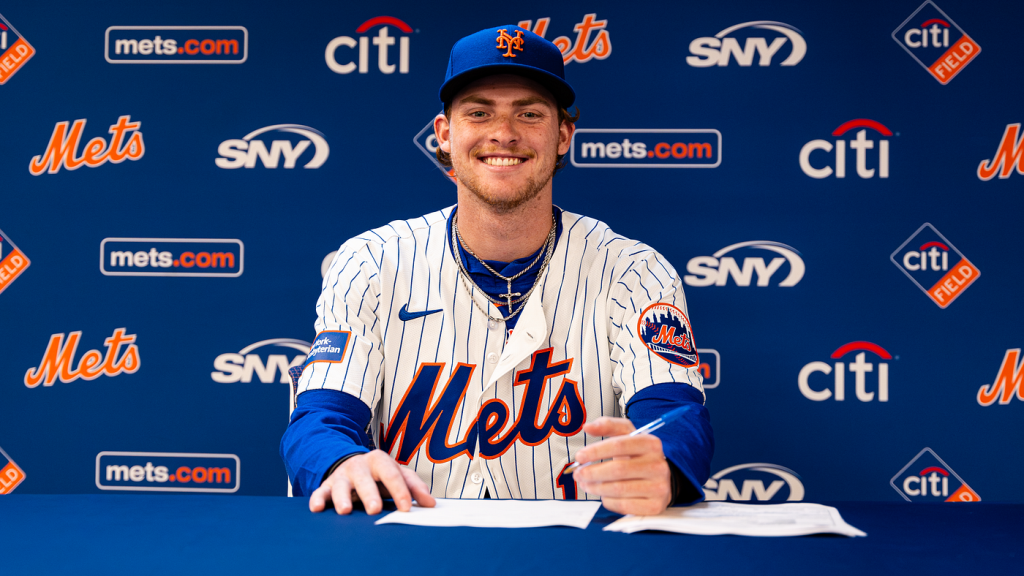
Carson Benge has arrived at camp with more than prospect hype.
He has arrived with expectation.
The Mets’ offseason felt uneven at first. Several key departures raised questions about direction and urgency. Then, almost abruptly, the narrative shifted. Bo Bichette was brought in to fortify the lineup. Luis Robert Jr. added elite defense and athleticism. Freddy Peralta arrived to stabilize the rotation.
On paper, the Mets once again look formidable.
But roster construction is rarely about headlines alone.
The decision to trade Brandon Nimmo to the Texas Rangers created something less visible but far more delicate — opportunity.
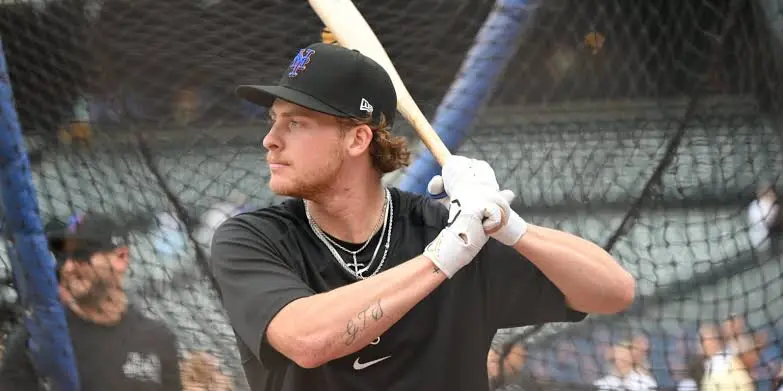
An outfield spot is now open.
And Carson Benge, just 23 years old, appears to have the inside track to claim it.
According to ESPN’s Alden Gonzalez, prominent members within the organization view Benge as the “complete package.” A consensus top-20 prospect, he is described as polished defensively, advanced on the bases, equipped with a plus arm, and carrying a promising offensive profile.
In other words, the type of five-tool player teams dream about building around.
But dreams accelerate quickly in New York.
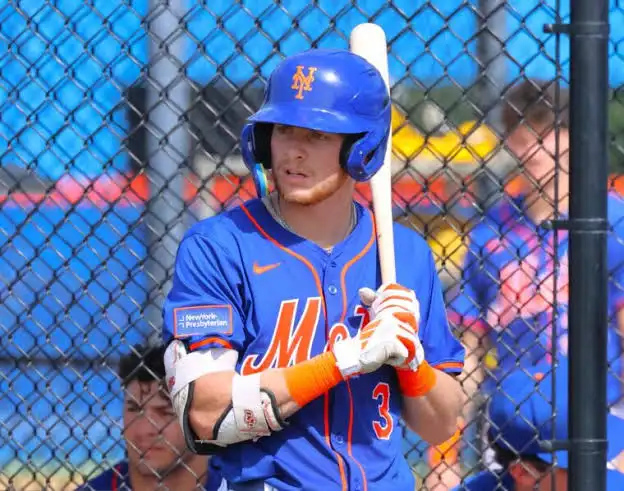
Last season, across three minor league levels, Benge slashed .281/.385/.472 with 15 home runs, 73 RBI, and 22 stolen bases in 116 games. The numbers suggest balance. Discipline. Athleticism. Growth.
They do not guarantee readiness.
Making the leap to the majors is never automatic. Even elite prospects face adjustments — velocity, sequencing, defensive positioning, media scrutiny. There is no substitute for big league experience.
And yet, circumstances are aligning.
Francisco Lindor’s early injury adds uncertainty to the infield. While the team remains optimistic about his availability for Opening Day, the margin for seamless transitions has narrowed. New additions are still settling into new roles. Chemistry takes time.
Benge doesn’t just represent youth.
He represents risk tolerance.
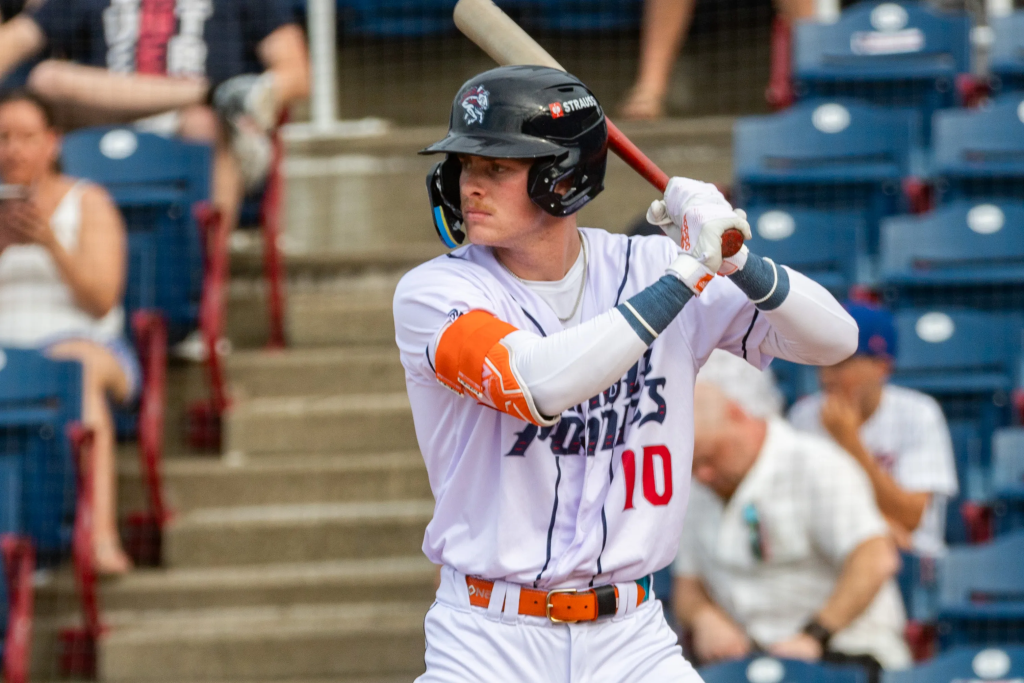
With Juan Soto in left and Luis Robert Jr. in center, the final outfield alignment still carries fluidity. Brett Baty could see time in the outfield despite limited defensive experience there, especially after his breakout 2025 campaign. At-bats must be allocated carefully. Development paths must be managed precisely.
Which makes this spring pivotal.
If Benge performs — not just statistically, but confidently — the Mets may hand him the starting job outright. If he struggles, the organization faces a decision: protect his long-term trajectory or push him into early responsibility.
There’s also a broader context.
The Mets are not rebuilding quietly. They are signaling intent to compete. Every roster move this winter reinforced that message. But competitive windows are fragile, especially in a division where margins are razor thin.
Banking on a rookie — no matter how polished — adds volatility to that equation.
Spring training will provide glimpses. Quality at-bats. Defensive reads. Body language under pressure. None of it definitive, but all of it revealing.
The organization’s internal confidence in Benge is evident. The praise is consistent. The belief sounds genuine.
But belief must translate.
If Benge seizes this opportunity, the Mets could unlock a dynamic, cost-controlled contributor who elevates both their present and their future. If he falters, the narrative may quietly shift from bold to premature.
In a camp filled with recognizable names and established veterans, it may be the youngest face that carries the heaviest weight.
Because sometimes, the most important storyline of a contender isn’t the superstar acquisition.
It’s the untested talent stepping into a vacancy that suddenly feels much bigger than anyone expected.
Leave a Reply