Pete Carroll didn’t leave Las Vegas quietly—but the silence that followed his exit may say more than the firing itself.
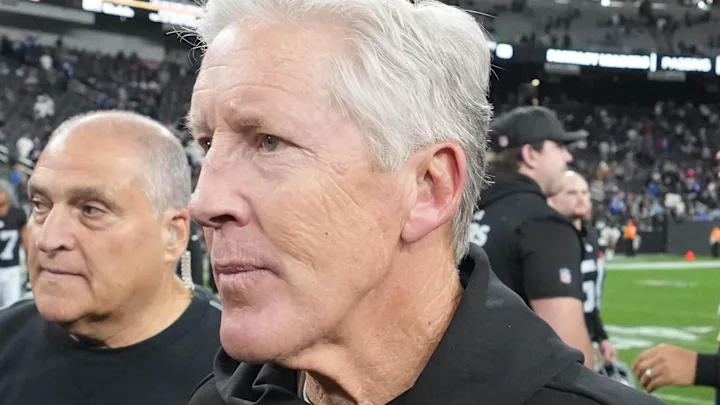
The 2025 season collapsed in ways the Raiders never anticipated. What was supposed to be a reset turned into one of the darkest chapters in franchise history.
A last-place finish. No momentum. No answers. And ultimately, another head coach shown the door.
Carroll, hired for his championship pedigree and reputation as a culture builder, never got the runway many believed he deserved.
The plan looked solid on paper: a proven head coach, a new play-caller, and a veteran quarterback to steady the ship. Instead, outside of a brief spark in Week 1, everything unraveled quickly.
Owner Mark Davis had little room to maneuver. Raider Nation’s patience had long evaporated, and the numbers were impossible to ignore.
Since 2002, the Raiders have cycled through 14 head coaches—not including interim replacements. Stability has been promised repeatedly. Delivered almost never.
In that context, Carroll’s firing felt inevitable. But inevitability doesn’t erase discomfort.
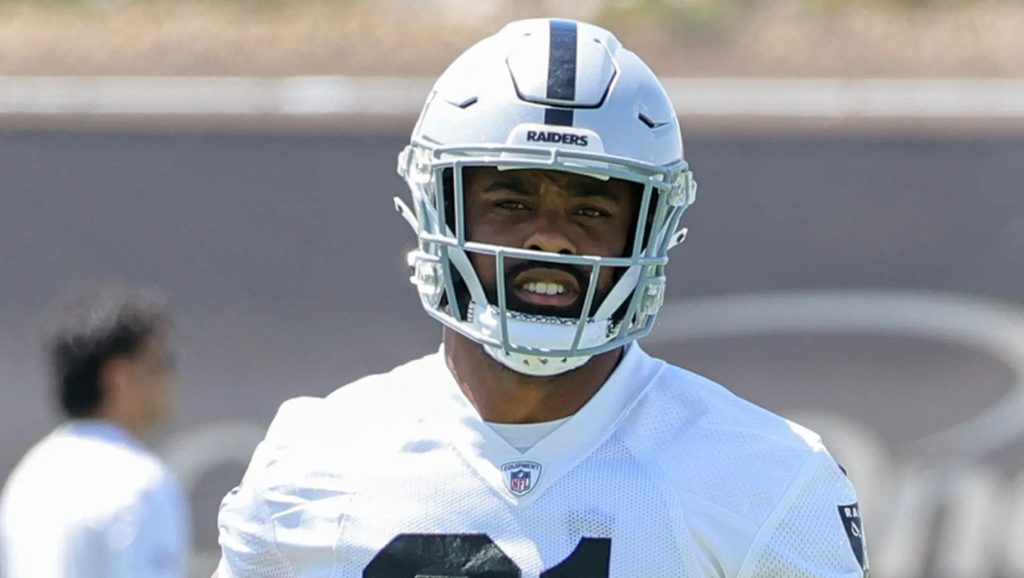
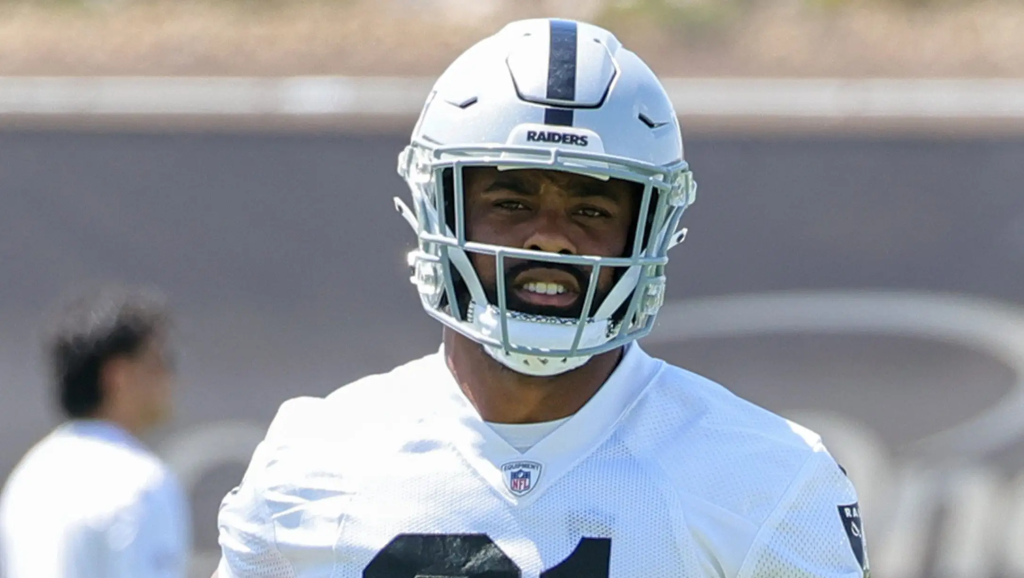
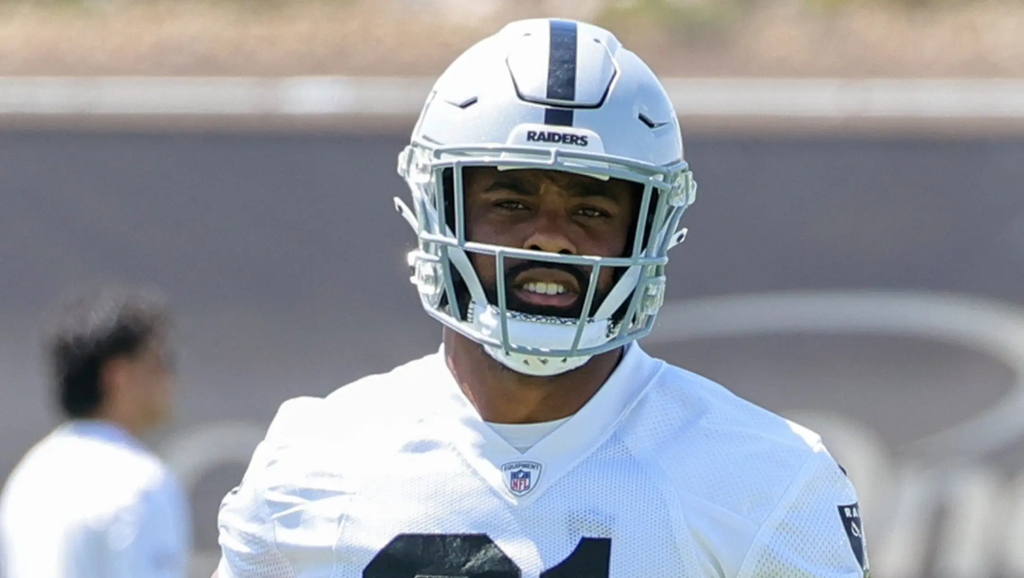
Raiders running back Raheem Mostert captured that unease during a recent appearance on Yahoo Sports. Asked whether Carroll deserved more time, Mostert didn’t rush to defend or condemn. Instead, he hesitated—and that hesitation was revealing.
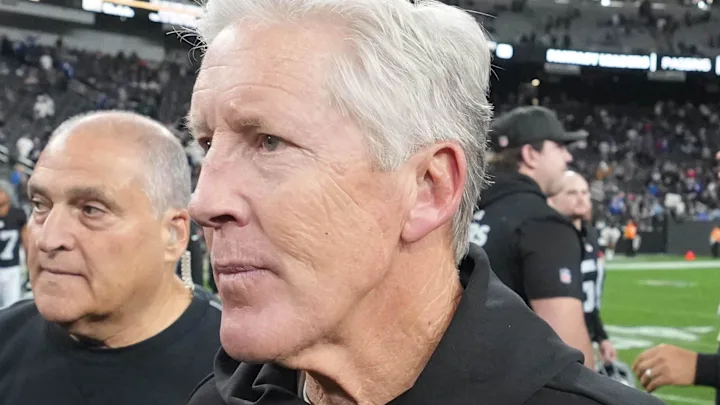
“It’s kind of hard to say,” Mostert admitted. He acknowledged Carroll’s résumé, his championships at both the college and NFL level, and the weight that comes with that history.
Then came the stat. Fourteen head coaches in just over two decades. Not interim. Full-time.
“That’s kind of tough,” Mostert said. And he wasn’t talking about Carroll anymore.
What Mostert articulated—carefully—was the contradiction at the heart of the Raiders’ constant rebuilds. On one hand, there’s a desire to give proven leaders time.
On the other, there’s an organization that has trained itself to pull the plug quickly when results don’t materialize.
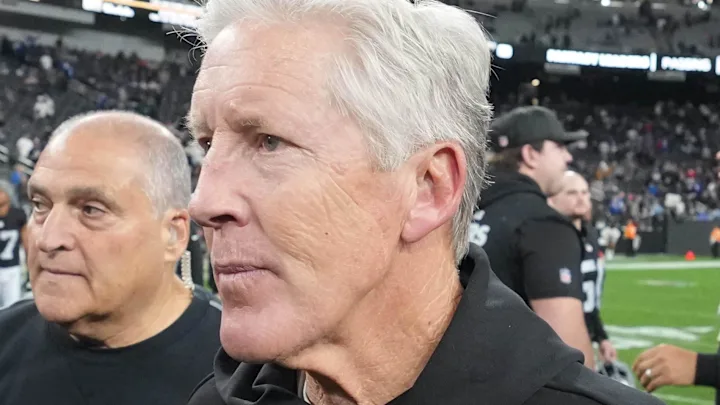
Carroll wanted another season. That much is known. He believed he could correct course, stabilize the locker room, and build something sustainable. But belief doesn’t override record, and it doesn’t quiet a fanbase starved for relevance.
For players, that tension is exhausting.
Mostert’s comments didn’t challenge ownership directly, but they didn’t absolve it either. He framed the decision the way many inside the building likely feel: understandable, yet deeply troubling. Necessary, yet familiar.
That familiarity is the real issue.
The Raiders didn’t just fire Pete Carroll. They reinforced a cycle. Hire. Hope. Collapse. Reset. Repeat. Each time, the organization promises lessons learned. Each time, the clock resets before those lessons can fully take hold.
Carroll’s pedigree made this firing sting differently. This wasn’t a first-time head coach learning on the job. This was someone who had seen the endgame before—and still couldn’t slow the fall.
That reality raises a quieter, heavier question: If someone like Carroll can’t survive this environment, who can?
Mostert didn’t answer that. He couldn’t. Instead, he spoke like a player who understands both sides—someone who respects leadership, but also understands ownership’s position when things spiral beyond repair.
“You want to see a guy get more opportunities,” he said. “But… if you are ownership… it’s tough.”
That pause mattered.
The Raiders will move on. They always do. Another coach will arrive. Another plan will be unveiled. Another promise of change will echo through the desert.
But Mostert’s words linger because they weren’t emotional. They weren’t defensive. They were resigned.
And resignation, more than anger or disappointment, may be the most damning signal of all.
Leave a Reply