The Cleveland Guardians didn’t make noise this offseason.
No splash signings. No headline trades. No dramatic declarations about contention.
Instead, they made a quieter decision—one that may define their entire 2026 season.
They chose belief.
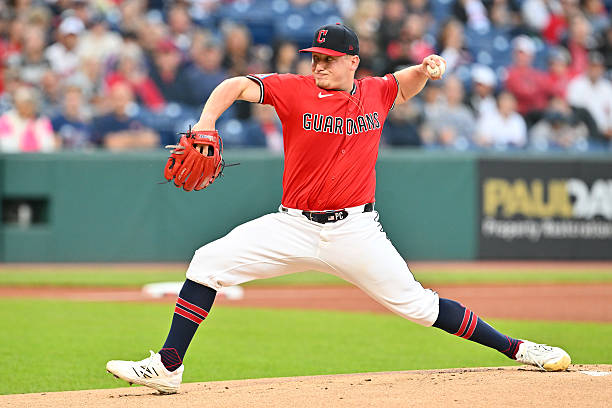
As spring training approaches, the Guardians are being framed not as inactive, but intentional. The front office’s confidence isn’t rooted in the market—it’s rooted in the system.
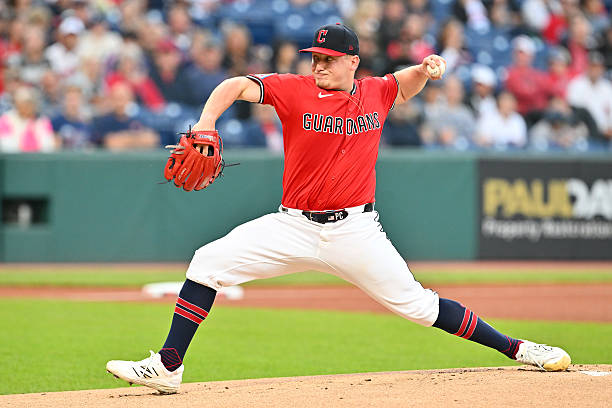
And now, two names are carrying more weight than any free agent Cleveland could have signed: Chase DeLauter and Parker Messick.
Both are projected to make the Opening Day roster. Both are expected to play real roles.
And according to MLB projections, both may already be among the best at their positions before the season even begins.
That’s not optimism. That’s expectation.
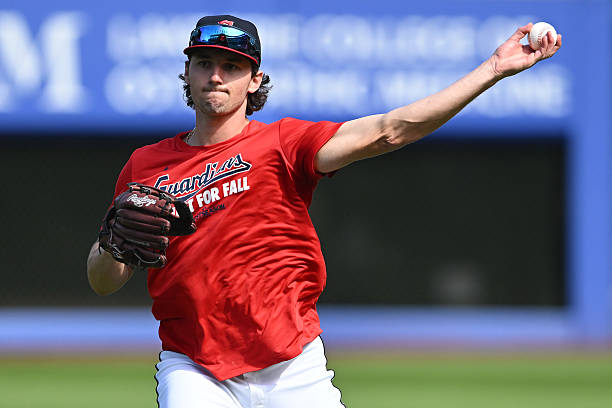
For DeLauter, the narrative has shifted quickly. Once viewed as a talented but injury-prone outfielder, he now enters 2026 healthy, experienced, and projected to post a 2.1 WAR—tied for third among rookies.
That projection places him ahead of most of the class, trailing only two highly touted Blue Jays prospects.
But the Guardians aren’t focused on rankings. They’re focused on relief.
Last season, Cleveland’s offense lived on the margins. Too much pressure fell on José Ramírez and Steven Kwan to create runs that never came easily.
DeLauter’s projected .252/.326/.408 slash line may not look explosive, but in this lineup, it represents oxygen.
Fourteen home runs in 118 games may not move national headlines—but stretch that to a full season, and suddenly Cleveland has power where there was silence.
More importantly, pitchers can’t pitch around Ramírez anymore. Protection changes everything.
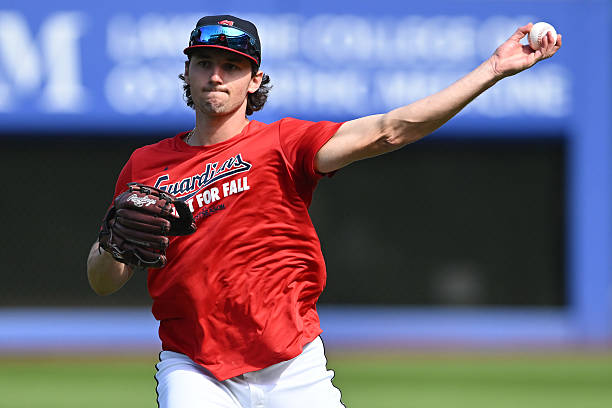
That’s the gamble: that DeLauter doesn’t need to be a star—just present.
On the mound, Parker Messick represents a different kind of trust.
Projected for a 1.4 WAR season, Messick finds himself grouped with names that draw far more attention, including top overall prospect Konnor Griffin. The difference? Messick is ready now.
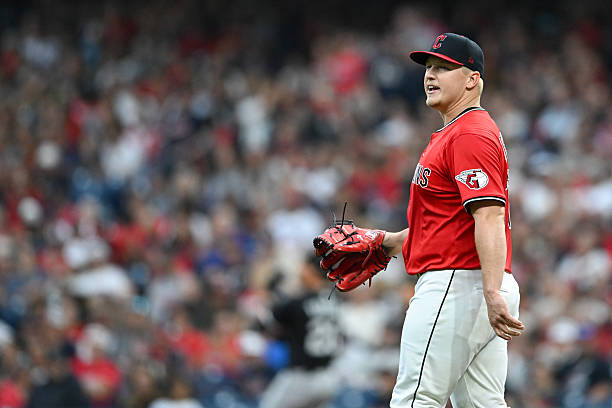
His debut in 2025 didn’t feel like an audition—it felt like confirmation. A 2.72 ERA, a ruthless changeup, and a profile built on soft contact rather than spectacle. He doesn’t overpower hitters. He disarms them.
Projections suggest regression: a 4.06 ERA over 129 innings. That’s what happens when the league adjusts. But Cleveland isn’t asking Messick to dominate. They’re asking him to stabilize.
And that distinction matters.
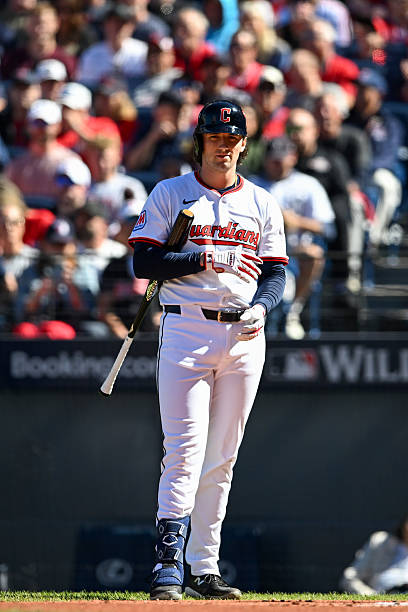
The Guardians have quietly built a roster that assumes growth instead of purchasing certainty. Travis Bazzana still waits in the wings. Other prospects loom. But DeLauter and Messick are first through the door.
This approach isn’t flashy. It’s fragile.
Because when a team chooses youth over insurance, the margin for error shrinks. There’s no veteran safety net. No late pivot. If these two stumble, the season’s logic collapses with them.
Yet Cleveland seems comfortable with that risk.
Maybe because they’ve seen this story before. Maybe because development has always been their currency. Or maybe because doing nothing loudly would have been worse than doing something quietly.
As 2026 approaches, the Guardians aren’t asking whether these prospects can succeed.
They’re asking whether they must.
And that question, unanswered, is what will follow them into Opening Day.
Leave a Reply