Carlos Santana didn’t announce a retirement. He didn’t post a farewell message. He didn’t ask for one last ovation.
Instead, he chose a jersey.
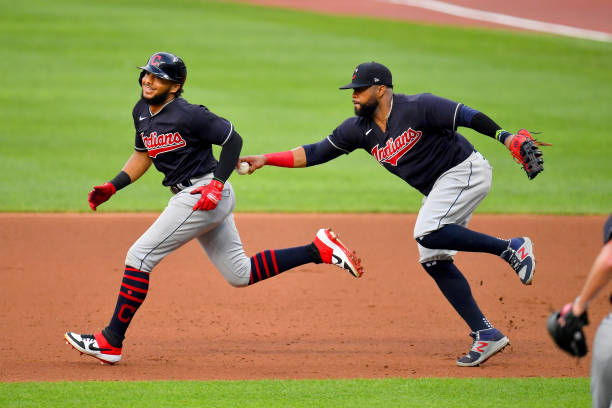
The Dominican Republic confirmed that Santana will be part of its roster for next month’s World Baseball Classic, a decision that quietly reopens the conversation about where his career truly stands — and how it might end.
At 39, without a contract for the 2026 MLB season, Santana’s presence on the WBC stage feels symbolic. Not dramatic. Not desperate. Intentional.
Last season with Cleveland didn’t offer the kind of ending fans hoped for. Signed to a one-year, $12 million deal on the same day the Guardians traded Josh Naylor, Santana’s return felt like a reunion built on trust and nostalgia.
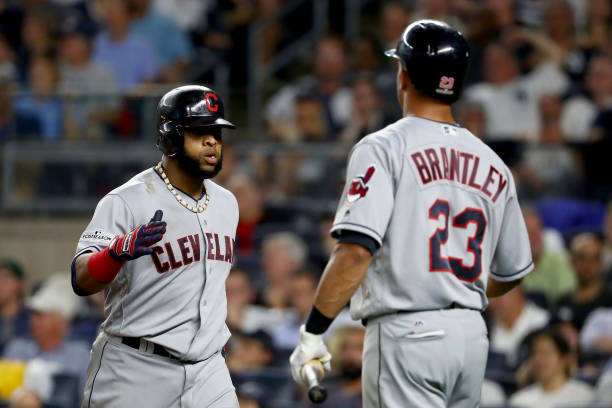
The results never followed. A .225 average, a .333 slugging percentage, and a lineup that moved on without him by August.
He was designated for assignment. Claimed by the Cubs. Quietly released from contention again.
By the numbers, it looked like decline.
By context, it looked like transition.
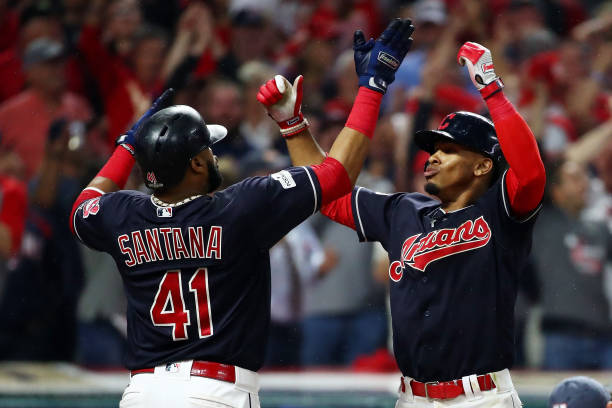
Because even as the bat faded, Santana still mattered in ways box scores don’t capture.
His defense at first base remained elite — eight Outs Above Average, a Gold Glove nomination, and confirmation that instincts and preparation don’t age as quickly as power.
That duality defines this moment.
Santana is no longer chasing roster spots. He’s choosing stages. And the World Baseball Classic offers something MLB no longer does for him: meaning without expectation.
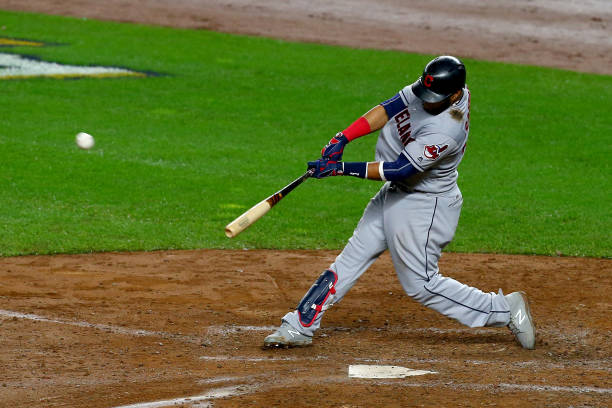
This will be his third WBC appearance. He was part of the Dominican Republic’s championship run in 2013, a foundational moment for the tournament and for his legacy on the international stage.
He returned in 2017, when expectations were high and results disappointing.
Now, he returns again — older, quieter, surrounded by stars like Vladimir Guerrero Jr. and Fernando Tatis Jr., but no longer at the center of attention.
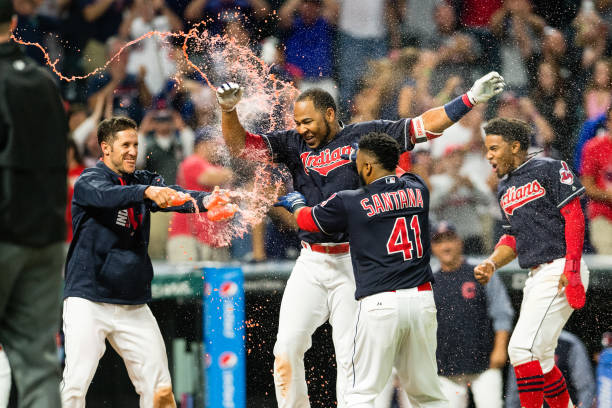
And that’s exactly why it resonates.
For Cleveland fans, Santana’s name carries weight that transcends his final stat lines.
He was part of the franchise’s modern identity — patience at the plate, power in big moments, leadership without spectacle. His best years defined an era where consistency mattered as much as flash.
This WBC appearance doesn’t erase the reality that his big-league days may be over. He turns 40 in April. Teams value youth, upside, and velocity.
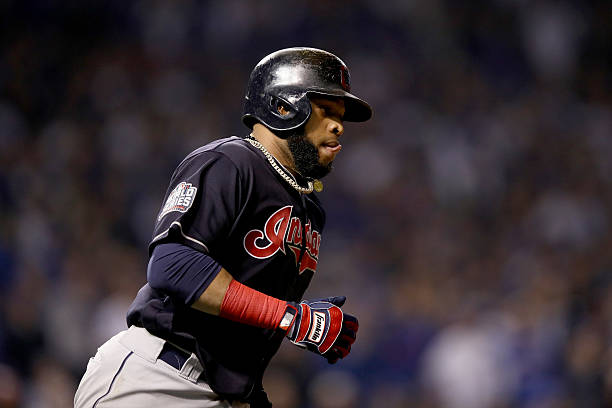
Santana offers wisdom, positioning, and presence — commodities harder to measure.
But the tournament gives him one last thing MLB couldn’t guarantee: a role that fits who he is now.
He won’t be asked to carry an offense. He won’t be scrutinized nightly. He’ll be part of a roster built to win, to represent, to celebrate baseball at its most emotional level.
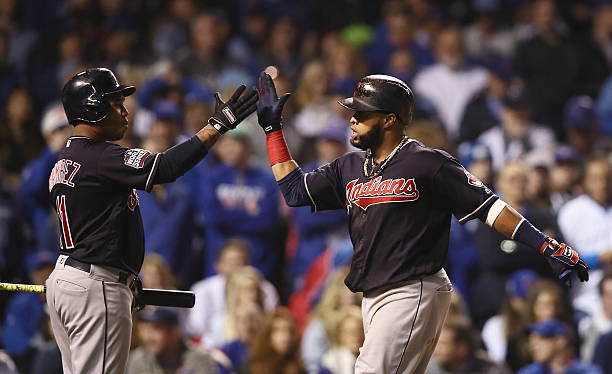
If this is the final chapter, it’s a fitting one.
Not a farewell tour under bright lights. A return to roots. To country. To a game that once elevated him — and now offers him a stage to close the circle on his own terms.
Carlos Santana didn’t say goodbye to Cleveland.
He just kept playing — long enough for the ending to find him.
Leave a Reply