When MLB.com released its list of offseason winners, the Philadelphia Phillies were notably absent, a result that surprised few observers paying close attention to how their winter unfolded.
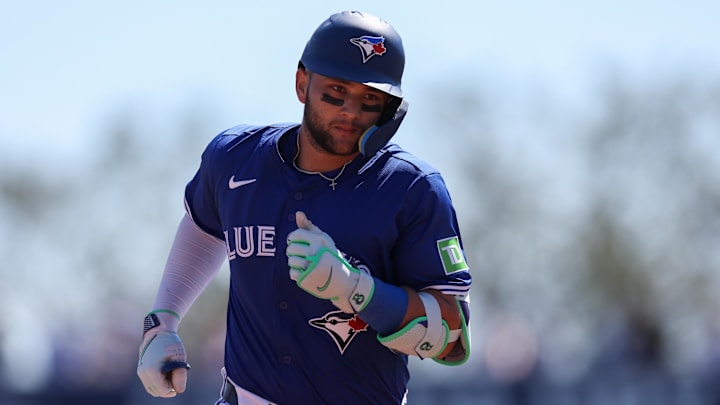
Mar 2, 2025; Dunedin, Florida, USA; Toronto Blue Jays shortstop Bo Bichette (11) runs the bases after hitting a home run against the Philadelphia Phillies in the third inning during spring training at TD Ballpark. | Nathan Ray Seebeck-Imagn Images
Philadelphia made moves, but not the kind that reshape perception or reset expectations, which is often the unspoken requirement for being labeled an offseason “winner.”
The defining moment came when the Phillies’ pursuit of Bo Bichette ended unsuccessfully, a miss that quietly reframed everything else they accomplished this winter.
That failure didn’t erase the work Philadelphia did, but it capped the ceiling of how their offseason would ultimately be viewed.
To their credit, the Phillies retained two foundational pieces.
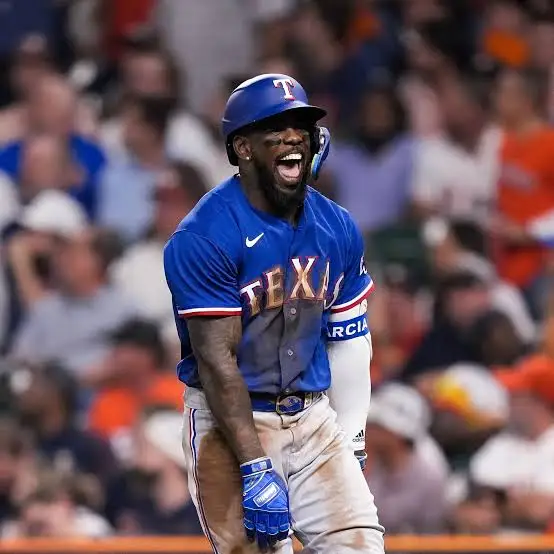
Kyle Schwarber returned on a massive five-year, $150 million deal, and J.T. Realmuto followed with a three-year, $45 million contract.
Both players have proven their value in Philadelphia, and their returns maintain continuity rather than introduce risk.
However, continuity is rarely enough to win an offseason.
Re-signing familiar stars stabilizes a roster, but it doesn’t fundamentally change the competitive landscape.
Beyond retaining Schwarber and Realmuto, Philadelphia’s external additions were modest.
The most notable were the signing of outfielder Adolis García and high-leverage reliever Brad Keller.
Both moves carry upside, but neither guarantees transformation.
García, in particular, embodies the uncertainty.
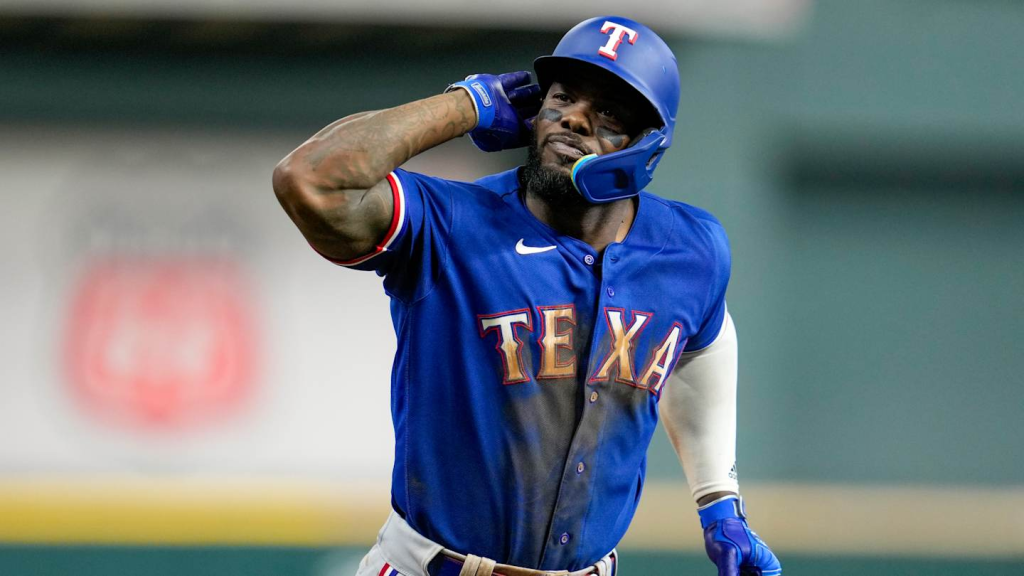
Had the Phillies landed the version of García from 2023, the move would have been widely celebrated.
That player was an All-Star force, producing elite power and run production.
Instead, Philadelphia is betting on a rebound.
Over the past two seasons, García has looked diminished, posting a .225 average and a .675 OPS while his counting stats declined noticeably.
At 32, rediscovering elite form is possible, but far from assured.
Brad Keller strengthens the bullpen, but relief additions rarely shift offseason narratives on their own.
They complement contenders; they don’t redefine them.
That’s why Bichette mattered so much.
Landing him would have instantly elevated Philadelphia into the winners conversation.
Bichette, even accounting for an injury-plagued 2024, remains one of baseball’s most reliable offensive shortstops.
A near-.300 hitter capable of 20-plus home runs and triple-digit run production, Bichette would have reshaped the Phillies’ lineup immediately.
Instead, Philadelphia watched him sign with a division rival.
That sting worsened as the rest of the league moved aggressively.
The Dodgers and Blue Jays, fresh off a World Series clash, both significantly upgraded their rosters and earned winner status accordingly.
The Mets did the same, leveraging Bichette’s arrival to announce their intent to challenge Philadelphia directly.
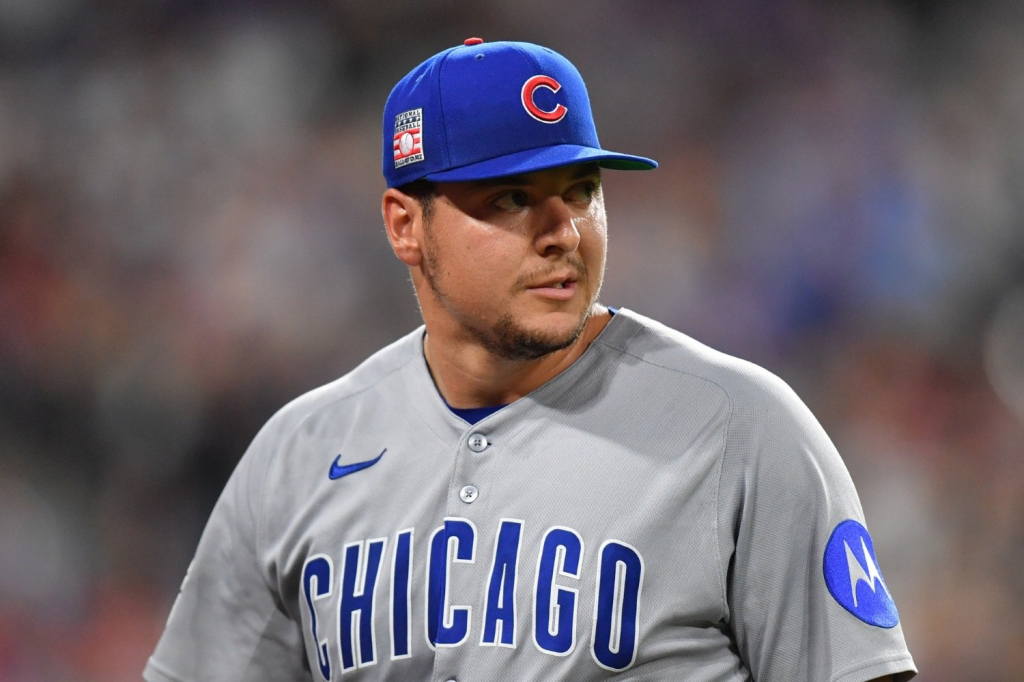
Elsewhere, teams like the Cubs and Orioles earned praise for smart retooling, while even rebuilding clubs received recognition for decisive direction.
In that context, the Phillies’ offseason looked conservative rather than ambitious.
Not ineffective, but incomplete.
Philadelphia still has time to change that narrative.
One significant move could alter perception quickly, especially in a competitive National League landscape.
But as spring training approaches, patience becomes less valuable.
If no additional impact move materializes, the Phillies will enter 2026 relying on internal consistency rather than external advancement.
That approach can still win games.
It just doesn’t win offseason awards.
And for a fanbase watching rivals grow bolder, the absence from MLB’s winners list feels less like a snub and more like an accurate reflection of what might have been.
Leave a Reply