Kyle Tucker didn’t just sign with the Los Angeles Dodgers.
He shifted the temperature of the entire NL West.
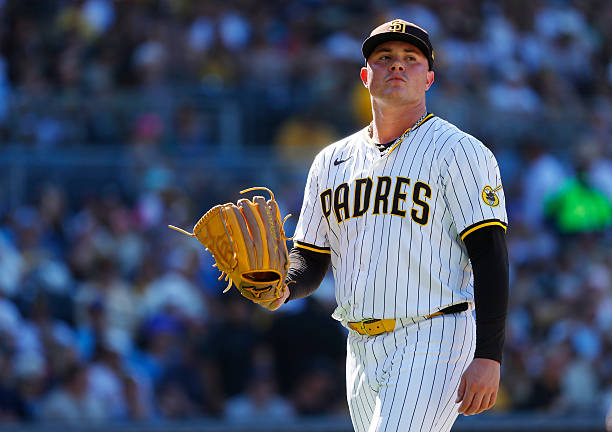
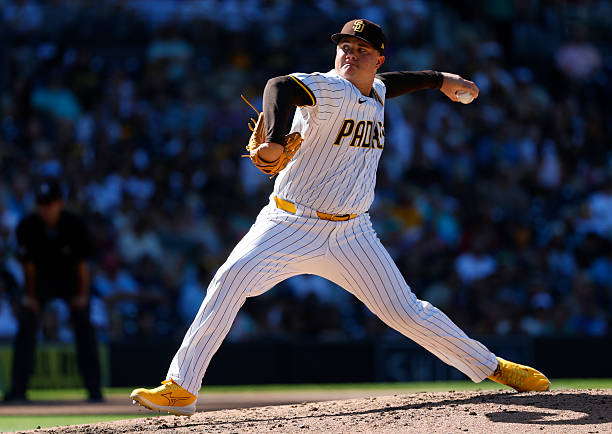
On paper, the San Diego Padres should feel prepared for 2026. Their bullpen currently features three left-handed relievers—Adrián Morejón, Wandy Peralta, and Yuki Matsui. In most seasons, that kind of balance is a luxury. Against most lineups, it’s a weapon.
Against this Dodgers lineup?
It might be a survival kit.
Because Los Angeles isn’t just rolling out left-handed hitters. They’re rolling out elite left-handed hitters—four of them in the everyday lineup. Shohei Ohtani. Freddie Freeman. Max Muncy. And now Kyle Tucker, fresh off a massive four-year, $240 million deal.
That’s not a matchup problem.
That’s a recurring crisis.
For San Diego, the lefty trio isn’t optional. It’s the entire plan for staying alive late in games. But Tucker’s arrival adds a twist that feels quietly cruel: the one Padres left-hander expected to carry the biggest burden may already be the one Tucker sees best.
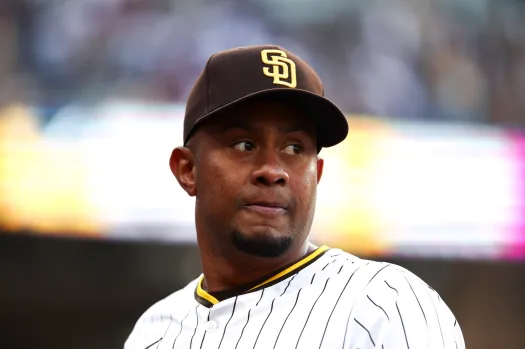
Morejón is the Padres’ top lefty in key situations. He turns 27 soon and is scheduled to hit free agency after the 2026 season—meaning every high-leverage inning doubles as an audition. Overall, his profile against left-handed hitters looks solid, holding them to a .225 opponent average.
But numbers get uncomfortable when you zoom in.
Tucker has been the most successful of the Dodgers’ left-handed core against Morejón—3-for-4 with a homer and three RBIs. The sample size is small, sure, but the story inside it has a pattern: Tucker doesn’t look intimidated.
The matchup’s “first impression” still hangs in the air. Back in 2020 at Petco Park, Morejón left a high four-seam fastball over the middle—Tucker launched it to left for a two-run blast. The Padres won that game, but the tone was set. Tucker saw him. Tucker didn’t hesitate.
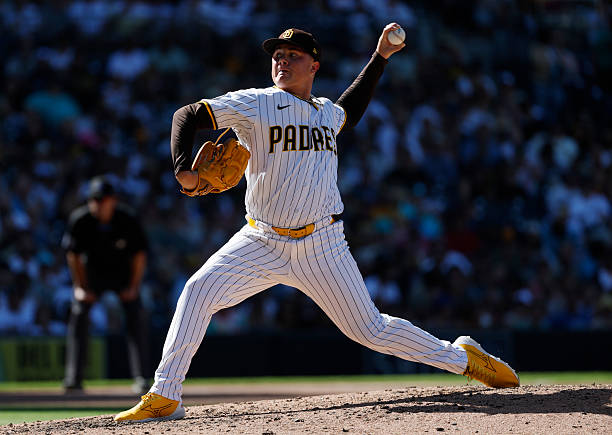
Fast forward to 2024: extra innings, automatic runner on second, pressure on full volume. Morejón got Yordan Alvarez to ground out, but Tucker came up and jumped the first pitch—a sinker up and in—and looped a single to left to bring home the go-ahead run in a Padres loss.
In 2025, when Tucker was with the Cubs, it got even more revealing. One day, Morejón battled him and finally struck him out in a tense at-bat after living on sinkers. The next day, Tucker answered by pulling another inside sinker for a single.
So what does it mean now that Tucker is no longer an occasional interleague problem—but a divisional reality?
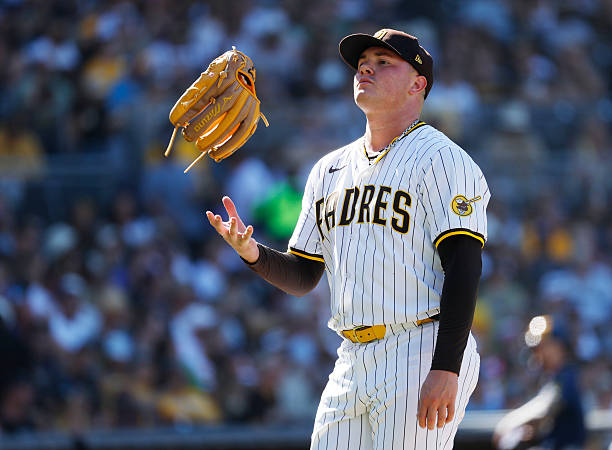
It means Morejón can’t be the default answer anymore until he proves the trend is broken. And that forces San Diego into a risky decision: if your best lefty is vulnerable to the Dodgers’ newest lefty superstar, your entire late-game map changes.
That’s where Peralta enters the conversation—quietly, almost like the Padres’ “backup plan” that might have to become the main one.
Peralta has faced Tucker seven times in his career and has largely won the battle. Tucker has only one hit off him, and Peralta has three strikeouts in those meetings. The one blemish was ugly—a changeup left over the plate in 2023 that Tucker crushed to the second deck. But outside of that moment, Peralta has mostly controlled the matchup.
And then there’s Matsui—the wild card.
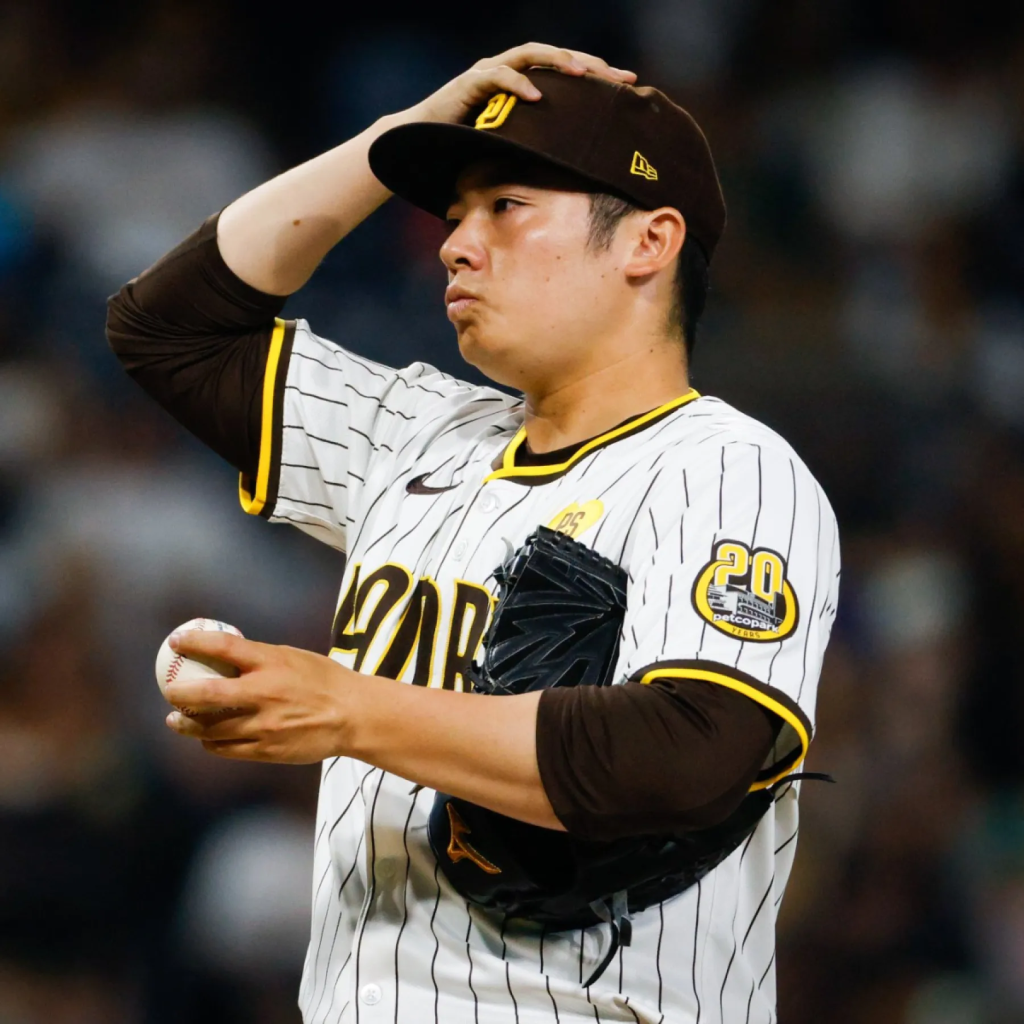
Matsui has yet to face Tucker at all, and while his overall numbers against left-handed batters in MLB aren’t disastrous, he’s had the toughest time against the Dodgers’ big left-handed core. He was once viewed as a closer-in-waiting, but entering his third season since coming over from Japan, he’s settled into a middle-innings role.
The Dodgers don’t care what role you think you are.
They force you into the role they want you to be.
Containing Ohtani alone has been difficult: the Padres’ three lefties have allowed 10 hits in 32 at-bats to him. Freeman has done damage against Peralta, though Morejón and Matsui have limited him in small samples.
Now add Tucker to that equation—and suddenly, it feels like the Padres aren’t just preparing for matchups.
They’re preparing for stress.
The uncomfortable truth is this: San Diego can have three left-handers and still be outgunned. Because Los Angeles doesn’t just stack lefty bats—they stack lefty bats that punish mistakes, force pitch counts, and turn “good enough” relief outings into one bad pitch.
And in 2026, that’s the real test.
Not whether the Padres have lefties.
But whether any of them can survive the version of the Dodgers that just got even harder to breathe against.
Leave a Reply