On paper, it reads like a celebration.
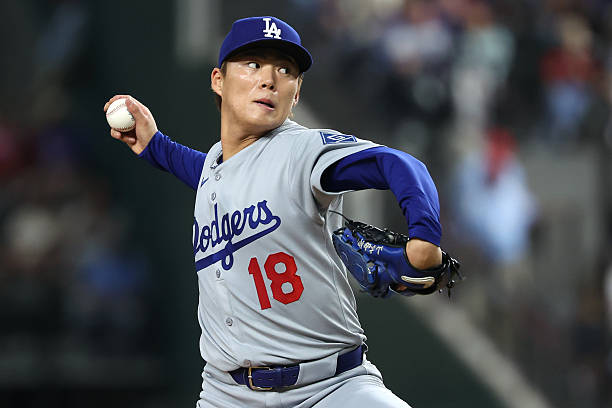
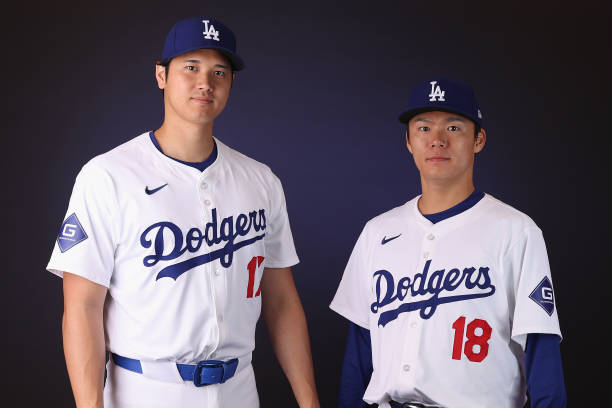
Yoshinobu Yamamoto, fresh off a dominant season and a World Series MVP run with the Los Angeles Dodgers, is returning to pitch for Team Japan in the 2026 World Baseball Classic. He’ll once again share the stage with Shohei Ohtani, reuniting a duo that already delivered a championship in 2023.
But beneath the pride and familiarity, the decision carries a quieter weight.
This isn’t Yamamoto joining a new challenge. It’s him stepping back into a role where expectation doesn’t fluctuate—it sits, waits, and tightens.
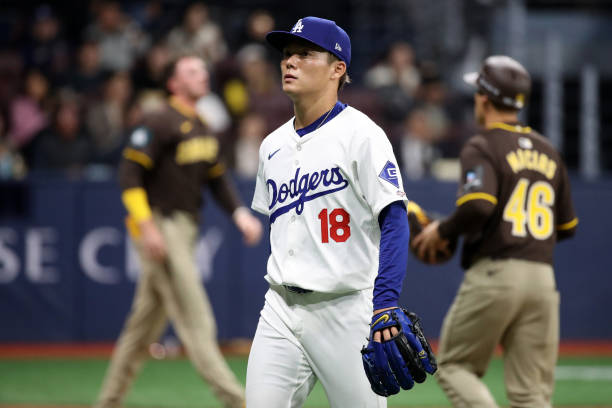
The last time Yamamoto wore the Japanese uniform, Team Japan lifted the trophy. He wasn’t just along for the ride. In 7.1 innings, he delivered precision and calm, holding opponents to a .160 average while striking out 12. He set the tone early, dominated Australia, and stabilized moments that could have slipped away.
Now he returns not as a rising star—but as the ace.
That distinction matters.
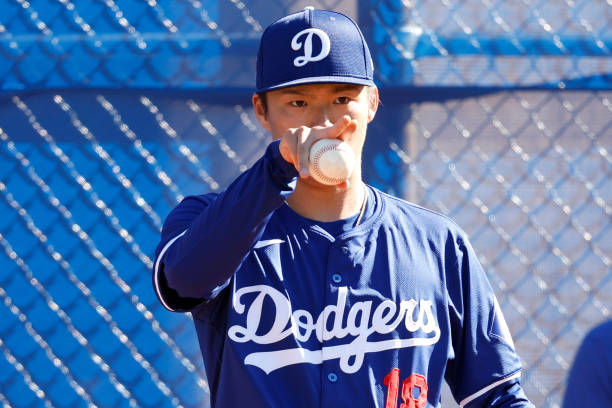
Since then, Yamamoto’s career has accelerated at an unforgiving pace. A 2025 season marked by elite numbers—2.49 ERA, 201 strikeouts, sub-1.00 WHIP—culminated in a World Series performance that bordered on relentless. One-run outings. A complete game. A bullpen appearance in Game 7 that sealed a championship.
He didn’t just win. He absorbed responsibility.
And that responsibility follows him to the WBC.
Team Japan manager Hirokazu Ibata didn’t soften expectations. “As Japan’s ace, I can rely on him to give us a chance to win wherever he pitches,” he said. That’s not encouragement. That’s a declaration.
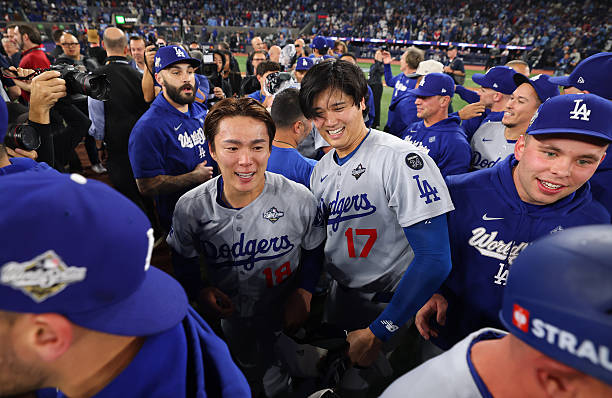
Yamamoto’s own words echoed pride and unity, but they also hinted at awareness. He spoke of responsibility, of preparation, of being in the best possible condition. Not excitement. Readiness.
The offseason, notably, was short.
While many pitchers recalibrate after deep postseason runs, Yamamoto pivoted almost immediately toward international duty. Training didn’t pause—it redirected. The margin for error narrowed.
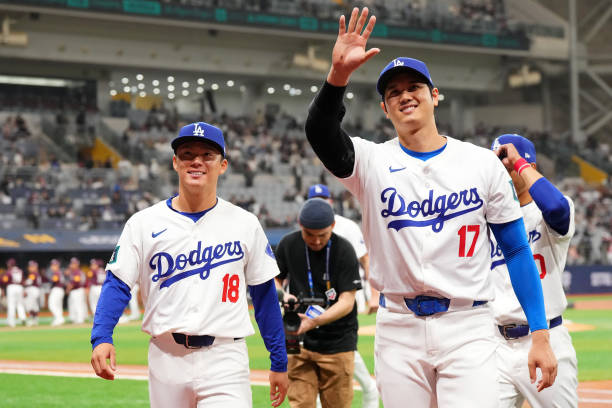
Joining him is a roster stacked with familiar names—Seiya Suzuki, Munetaka Murakami, Kazuma Okamoto, Yusei Kikuchi, Yuki Matsui, and others—players capable of carrying weight themselves. Yet the presence of Ohtani and Yamamoto inevitably centers the narrative.
They aren’t just stars. They are symbols.
For Team Japan, the mission isn’t discovery. It’s defense. Defending identity. Defending dominance. Defending the idea that 2023 wasn’t a moment—but a standard.
That’s where pressure changes shape.
Winning once creates joy. Winning again creates obligation.
Yamamoto knows this environment. He’s thrived in it. But the familiarity doesn’t make it lighter—it makes it sharper. Every inning will be read not as performance, but as confirmation. Every pitch as expectation fulfilled or delayed.
The team opens play March 6 in Tokyo, with one roster spot still open. The setting will be electric. The noise unavoidable.
Yet Yamamoto’s presence suggests something quieter.
Not a pitcher chasing legacy—but one accepting that legacy now chases him.
As fans celebrate the reunion of Yamamoto and Ohtani, the story underneath isn’t about nostalgia. It’s about continuity. About whether excellence can be repeated when it’s no longer surprising.
And as Team Japan takes the field again, one question lingers beneath the confidence and pride:
When you’ve already reached the top, how much heavier does every step feel when you’re expected to stay there?
Leave a Reply