The conversation around DJ Moore didn’t start with trade rumors. It started with discomfort.
Early in the season, Bears head coach Ben Johnson appeared to publicly challenge Moore—an uncommon move that subtly shifted how fans viewed his role.
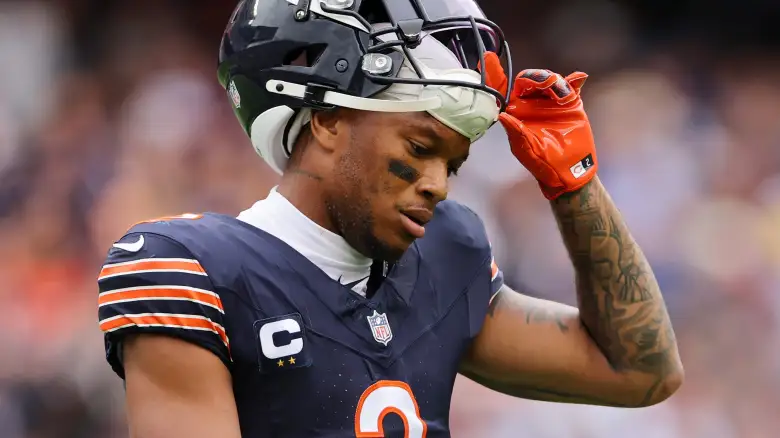
At the time, it felt like a blip. Now, months later, it feels like the opening chapter.
By the end of the regular season, Moore had posted career lows in both receptions and receiving yards. Fifty catches. Seven hundred eighty-two yards.
For a receiver with his résumé—and salary—that drop-off didn’t go unnoticed. The trade deadline came and went, but the questions stayed.
Chicago’s playoff run briefly softened the narrative.
Moore scored a touchdown in each postseason game and was targeted 15 times across those two contests—more involvement than at any point during the regular season. For a moment, it looked like clarity had arrived.
Then came the final play that no one has forgotten.
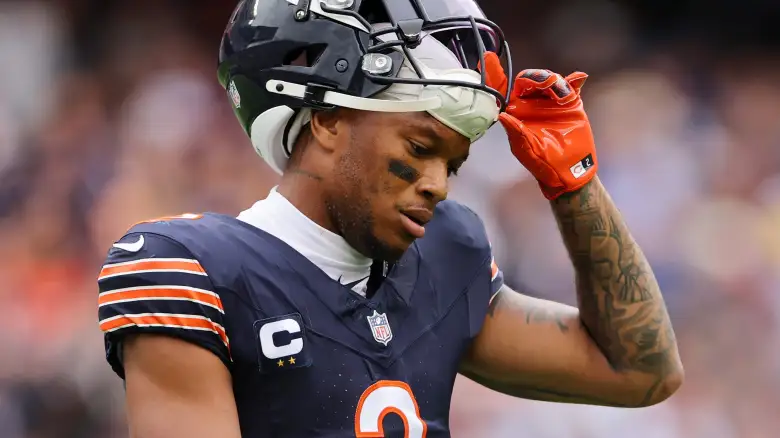
On a critical snap against the Los Angeles Rams, Moore appeared to slow—or hesitate—on his route.
The result was a Caleb Williams interception that ended the Bears’ season and sent the Rams to the NFC Championship Game.
Subsequent film breakdowns and Williams’ own explanation added nuance. But nuance rarely survives a season-ending mistake.
That moment lingered.
For a segment of the fanbase already questioning whether Moore’s role justified his contract, it became a turning point. Not definitive—but heavy enough to tilt the discussion.
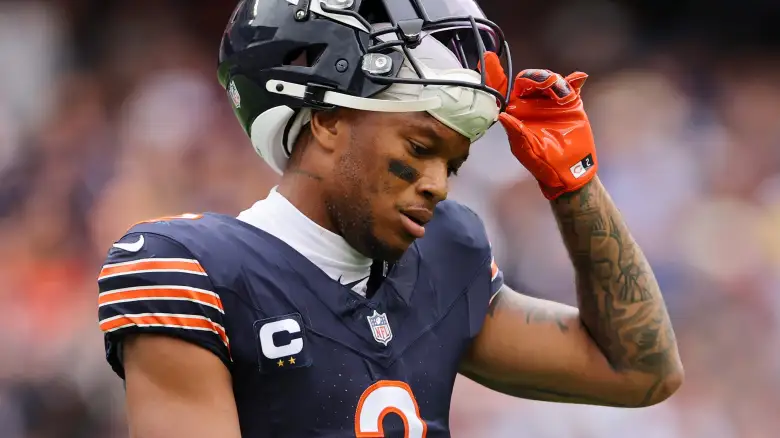
If Moore is available, he won’t lack interest. His career production speaks for itself.
And for Chicago, moving him would offer financial relief while creating space for a younger receiving core that includes Rome Odunze and Luther Burden. The shift already feels underway.
According to Bleacher Report’s Alex Ballentine, Moore has emerged as a potential trade target for multiple teams. The Tennessee Titans were one name mentioned.
But the more intriguing development came with another team quietly entering the picture: the Los Angeles Chargers.
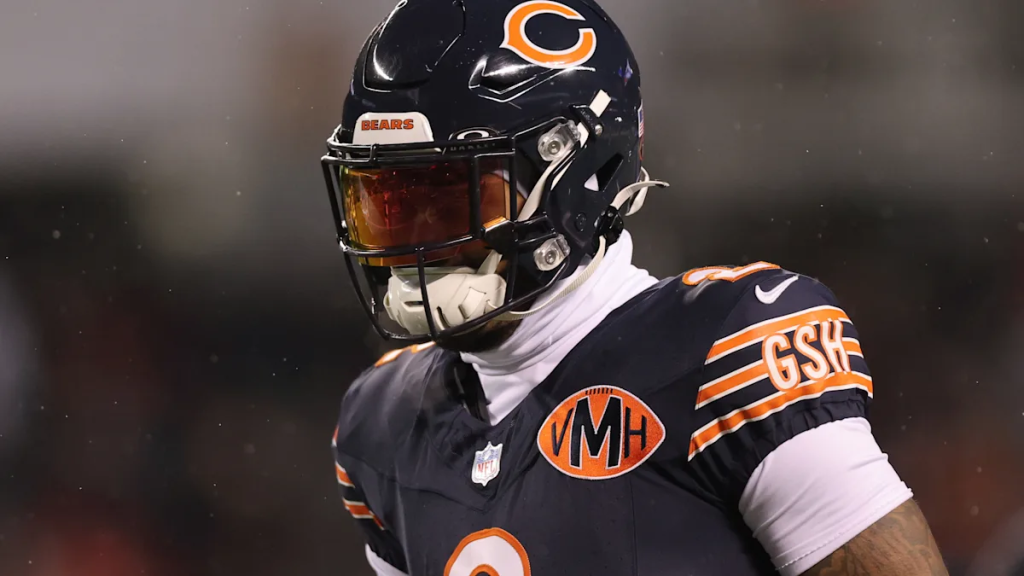
On paper, the fit raises eyebrows.
The Chargers funneled 122 targets to a 33-year-old Keenan Allen this season.
While Allen remained productive, repeating that workload as he approaches 34—especially with free agency looming—feels risky.
Outside of Ladd McConkey, Los Angeles lacks clarity at wide receiver, and uncertainty is not a luxury for a team trying to capitalize on Justin Herbert’s prime.
Moore, who turns 29 this season, would represent an immediate upgrade. Even with Chicago’s reduced usage, he remains capable of anchoring an offense—or at least stabilizing one.
For the Bears, the emergence of another suitor changes leverage. Suddenly, this isn’t about whether Moore can help another team.
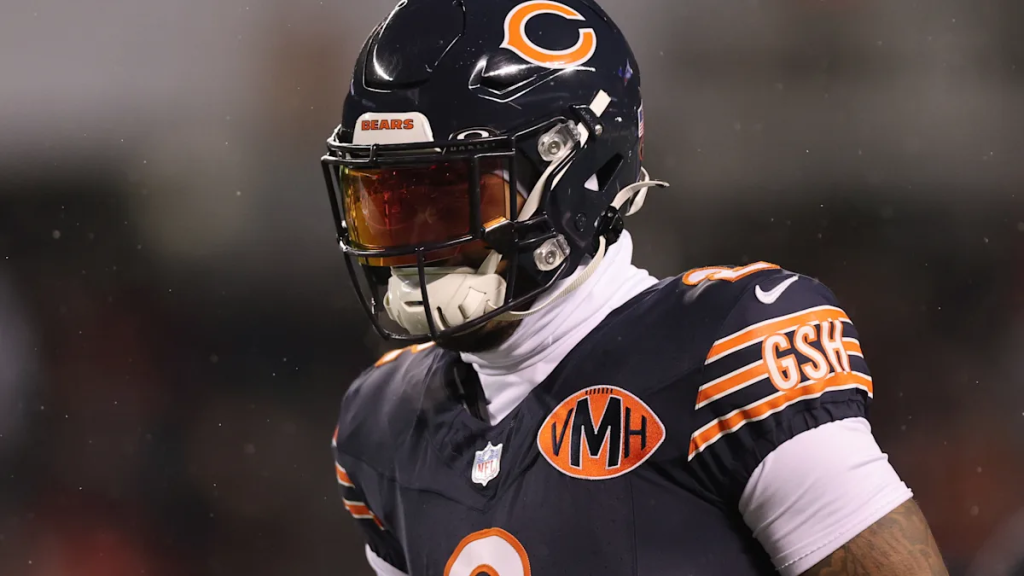
It’s about how many teams believe he can—and how far they’re willing to go to find out.
That’s where the silence becomes telling.
Chicago hasn’t committed publicly to keeping Moore. They haven’t dismissed trade speculation either. Instead, the narrative hangs in the space between playoff disappointment and offseason opportunity.
The Bears are reshaping their identity around a young quarterback and an evolving offense. In that context, Moore’s situation feels less like a sudden fall—and more like a slow recalibration.
Whether the Chargers ultimately make a move or simply hover as pressure builds, one thing is clear: DJ Moore’s future no longer feels settled.
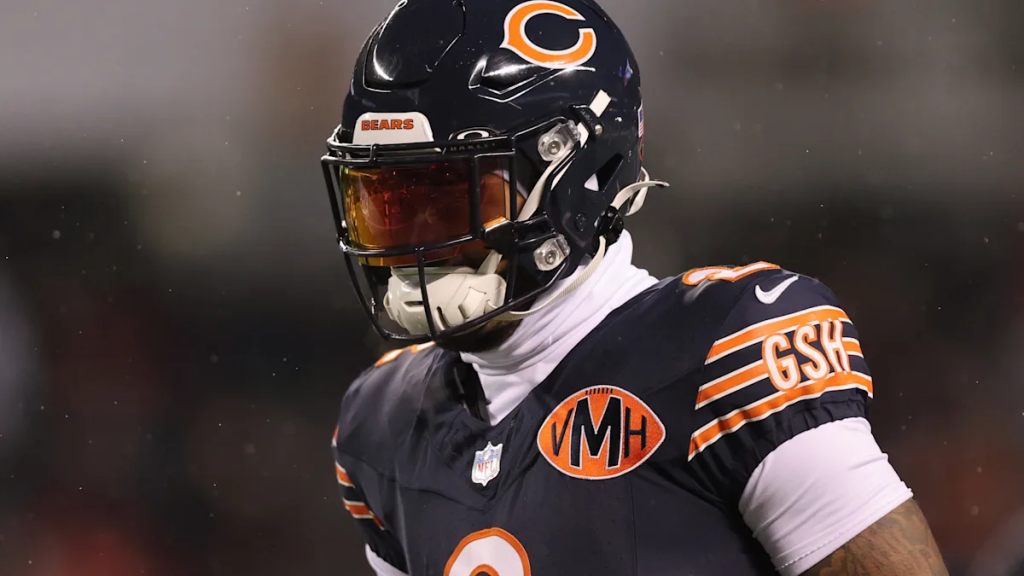
And sometimes, that uncertainty says more than any announcement ever could.
Leave a Reply