The Chicago Bears’ season ended in heartbreak, but the aftermath has sparked a debate that cuts deeper than a single playoff loss.
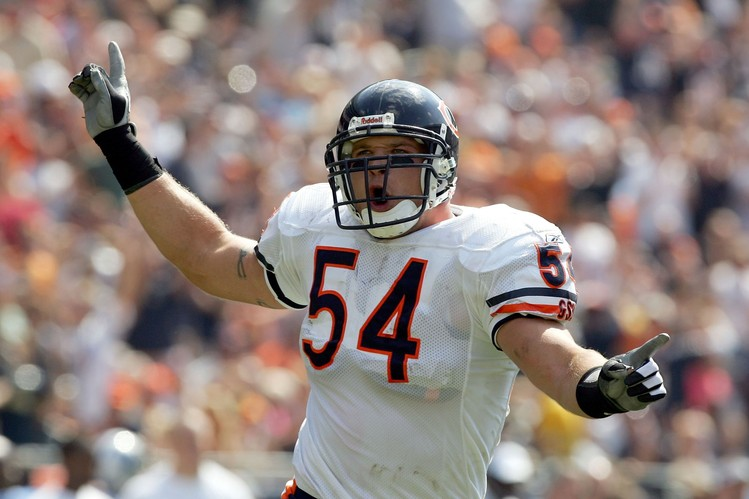
As frozen winds whipped through Soldier Field during Chicago’s 20-17 Divisional Round defeat to the Los Angeles Rams, a familiar argument returned—one that has little to do with play-calling and everything to do with identity. And this time, Brian Urlacher didn’t hold back.
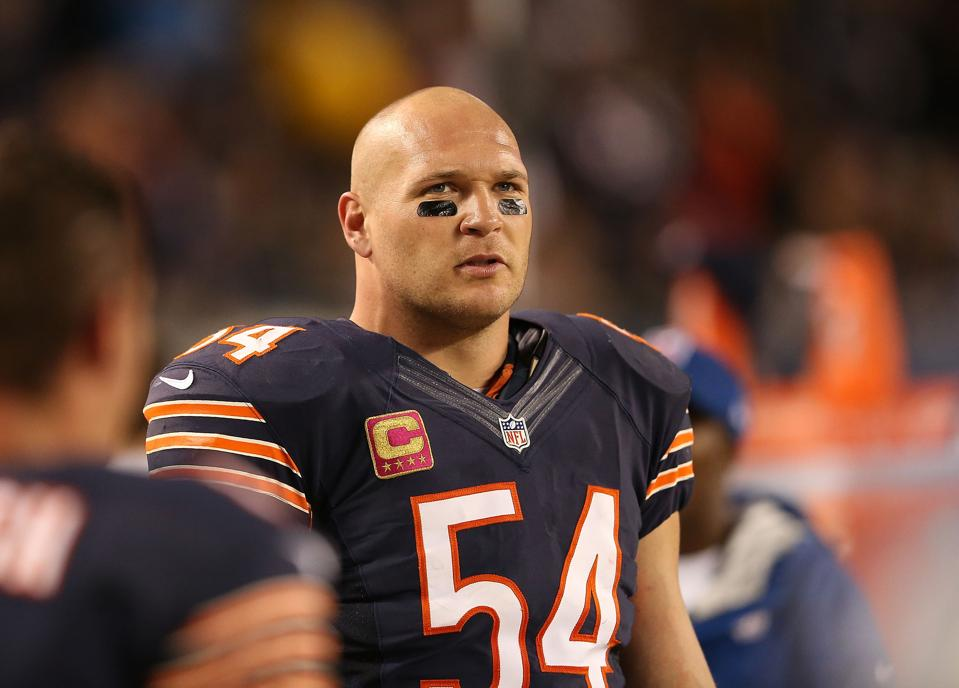
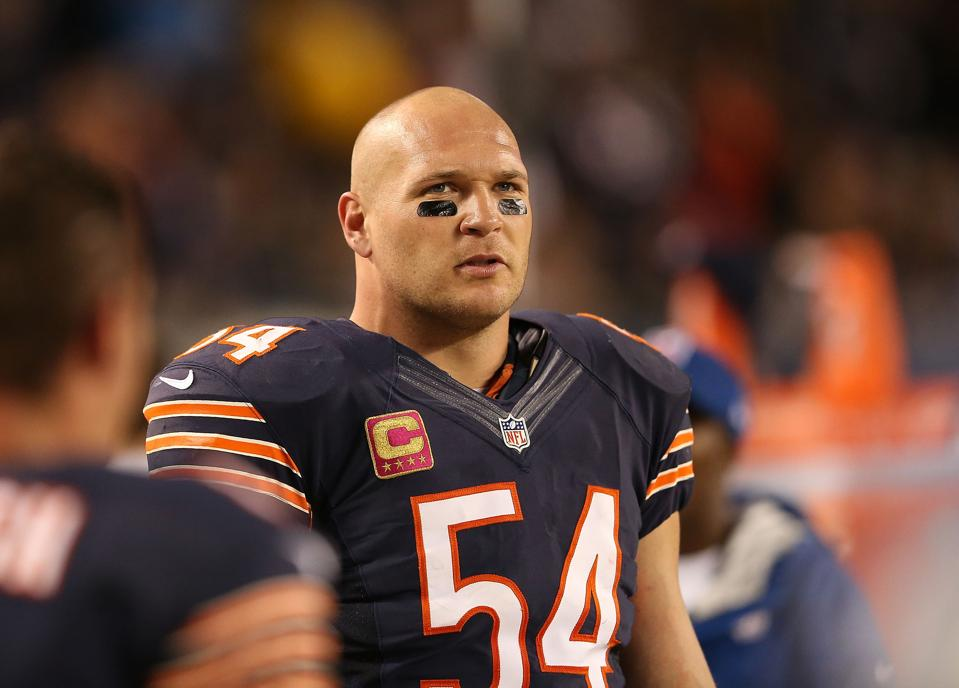
Speaking on a national sports talk show, the Hall of Fame linebacker dismissed the idea of the Bears abandoning outdoor football for a domed stadium with blunt clarity.
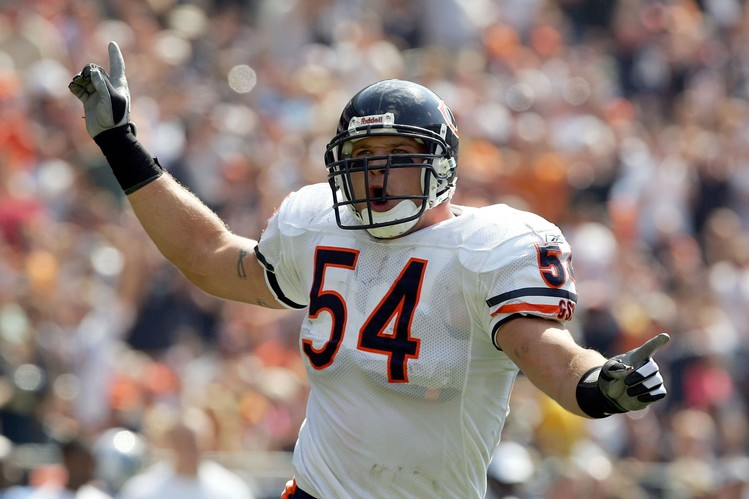
“No one wants to go there in the winter. It’s cold as hell,” Urlacher said.
Then came the turn.
“Our fans love it.”
Discomfort as a Feature, Not a Flaw
For Urlacher, Chicago’s brutal winter isn’t a problem to solve—it’s an advantage to protect. Cold, wind, frozen turf, numb hands: these aren’t inconveniences. They’re weapons.
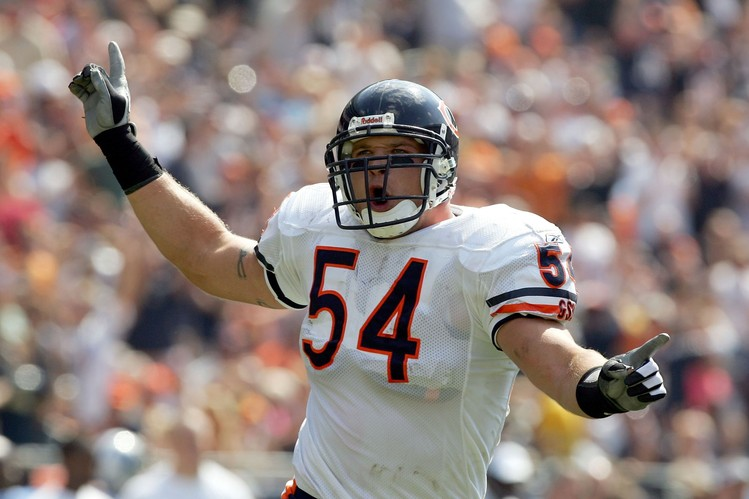
That belief isn’t nostalgia talking. It’s rooted in what the Bears just showed in 2025.
Under first-year head coach Ben Johnson, Chicago rebounded from an 0-2 start to finish 11-6, capturing their first NFC North title since 2018.
Quarterback Caleb Williams delivered a breakout season, setting franchise records for passing yards and touchdowns.
More quietly—but just as importantly—the defense thrived in chaos, thriving in conditions visiting teams dread.
That edge was never clearer than in the Wild Card round. In subfreezing temperatures, the Bears mounted a historic comeback, feeding off a crowd that didn’t just endure the cold—it embraced it.
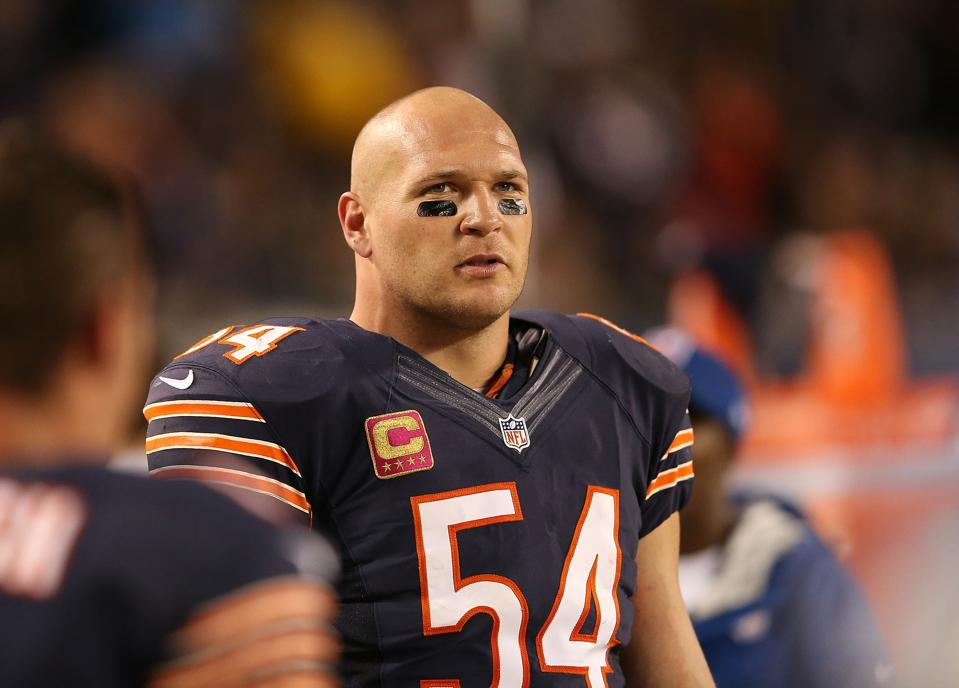
The Rams game ended differently. Overtime. Thin margins. But even in defeat, Soldier Field felt alive in a way domes rarely do.
The Tension Beneath the Surface
Despite the on-field progress, uncertainty looms off it.
In December, team president Kevin Warren confirmed the Bears are exploring stadium options outside Illinois. Northwest Indiana is firmly on the table.
Gary has already unveiled conceptual renderings for a domed stadium district near the I-80/I-94 corridor. Hammond and Wolf Lake remain in consideration.
No decision is imminent. But the direction is clear enough to trigger alarm.
For Urlacher, this isn’t about amenities or revenue streams. It’s about what happens when a franchise trades intimidation for comfort.
Chicago’s weather has long been part of its mythology. Visiting quarterbacks struggle to grip the ball. Receivers fight the wind. Defenses feed off it. Strip that away, and something intangible goes with it.
A Season That Strengthened the Argument
Ironically, the Bears’ 2025 success strengthens Urlacher’s case. This wasn’t a rebuilding year masked by nostalgia.
This was a modern team—explosive offense, opportunistic defense—finding success without abandoning tradition.
The cold didn’t hold them back. It amplified them.
That’s why Urlacher’s comments resonated so sharply. He wasn’t romanticizing the past. He was pointing to the present and asking a dangerous question: Why change now?
More Than a Stadium Debate
This isn’t just about Soldier Field. It’s about whether the Bears see themselves as a brand or a culture.
Domes are efficient. Predictable. Comfortable. They protect players, fans, and revenue. But they also erase unpredictability—the very thing that once made Chicago one of the most feared road trips in football.
Urlacher’s message was unmistakable: once you remove the cold, you don’t just change the environment—you change who you are.
The Bears haven’t made their decision yet.
But Chicago has already started arguing with itself.
And judging by Urlacher’s tone, this fight is just getting colder.
Leave a Reply