The White Sox officially added Austin Hays on a short-term deal, a move that looks modest but fits neatly within their calculated offseason strategy.

Hays signed for one year with incentives and a mutual option, signaling flexibility rather than long-term commitment from Chicago’s front office.
Playing time was clearly part of the appeal, as the White Sox can offer regular at-bats in a fluid outfield situation.

Hays is expected to see most of his time in right field, with occasional shifts depending on roster alignment.
Defensively, he profiles best in a corner, especially given recent injury history.
Those injuries have defined the last two seasons, with repeated lower-body issues limiting his availability.

Still, when healthy, Hays has produced consistently league-average offense across multiple seasons.
His 2025 campaign with Cincinnati marked a rebound, posting solid power numbers and respectable overall production.

Chicago struggled to generate offense last season, making even incremental improvement meaningful.
Hays’ value comes primarily against left-handed pitching, where his recent splits have been especially strong.
That skillset alone gives him a defined role on a rebuilding roster.
It also gives him trade value.
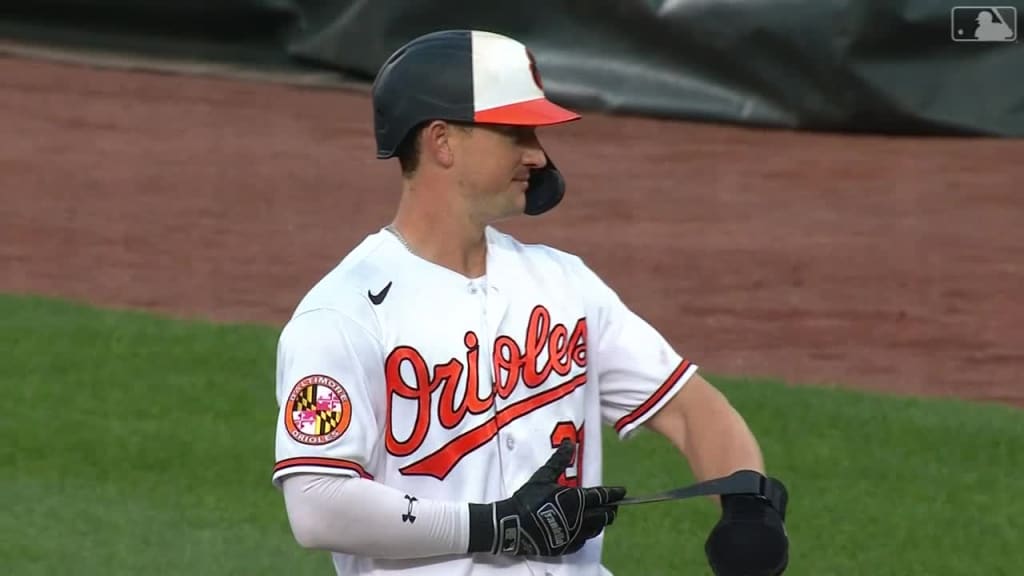
If Hays stays healthy and performs, contenders will notice by midseason.
The White Sox know this, which is why the contract structure matters.
This deal doesn’t block prospects or lock the team into future obligations.
Instead, it preserves flexibility while adding competence.
The signing also reflects how Chicago reallocated payroll after moving Luis Robert Jr.
Rather than chasing stars, they’re spreading risk.
Hays fits that mold perfectly.
Not a centerpiece.
But a piece that can move.
And that’s the point.
Leave a Reply