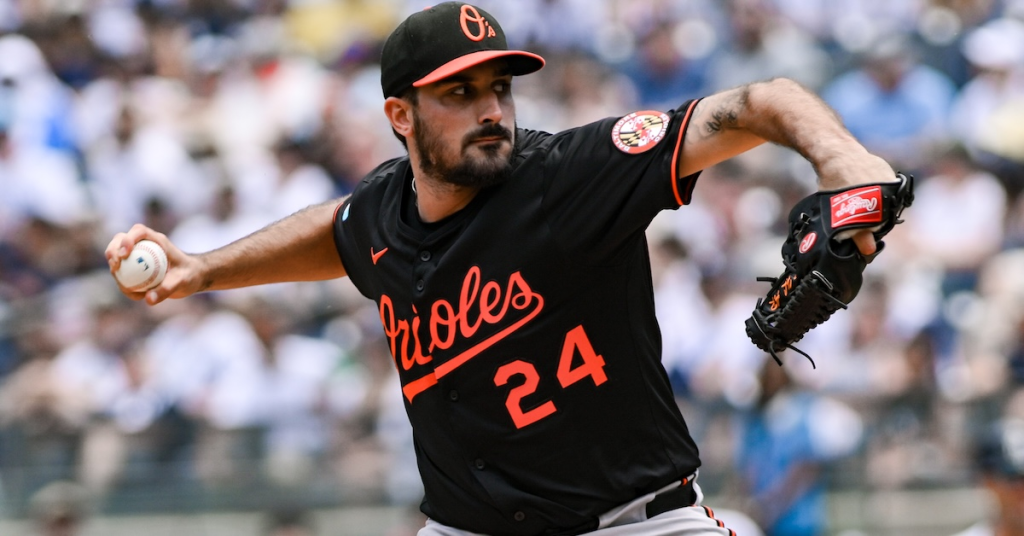
Just 319 days ago, Zach Eflin stood on the mound as the Baltimore Orioles’ Opening Day starter. Six innings, two hits, two earned runs—a start that was enough to remind any competitive team that Eflin, when healthy, was the kind of pitcher any team would want.
Then things went off track.
After two early-season appearances with an ERA of 3.00, Eflin suffered a minor back muscle injury and was placed on the injury list. When he returned in May, hope flickered—but only briefly. The next eight appearances turned into a nightmare: an ERA of 7.62, 14 home runs hit, and a strikeout-walk ratio that clearly showed his body wasn’t ready. Those numbers weren’t just bad; they were a sign of a pitcher trying to pitch through pain.
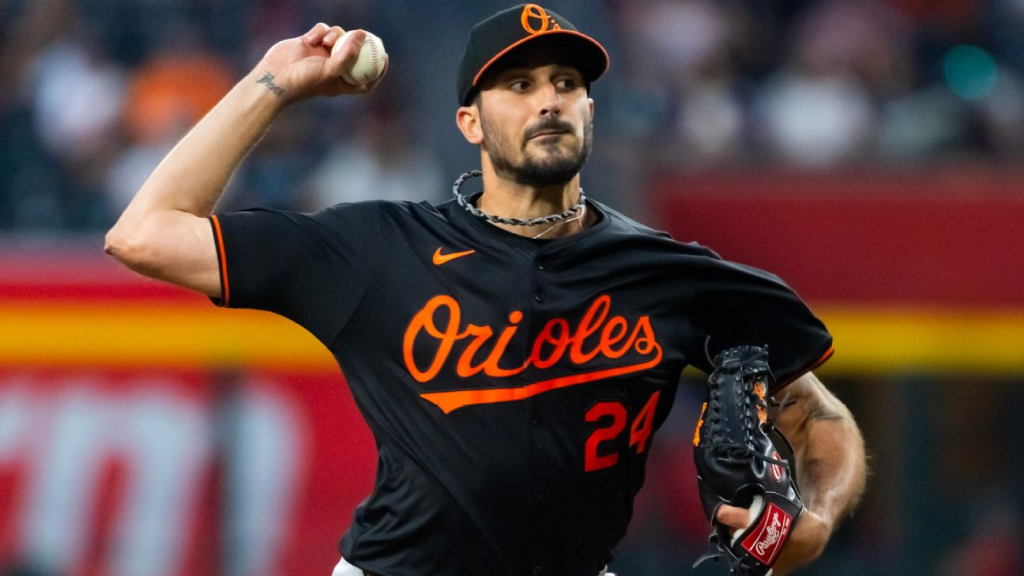
The back injury came back. And then again. And finally, the season ended with a lumbar microdiscectomy in August. 2025 ended with Eflin at a 5.93 ERA and -0.4 WAR—a resume no one would want to bet on at first glance.
But the Orioles did just that.
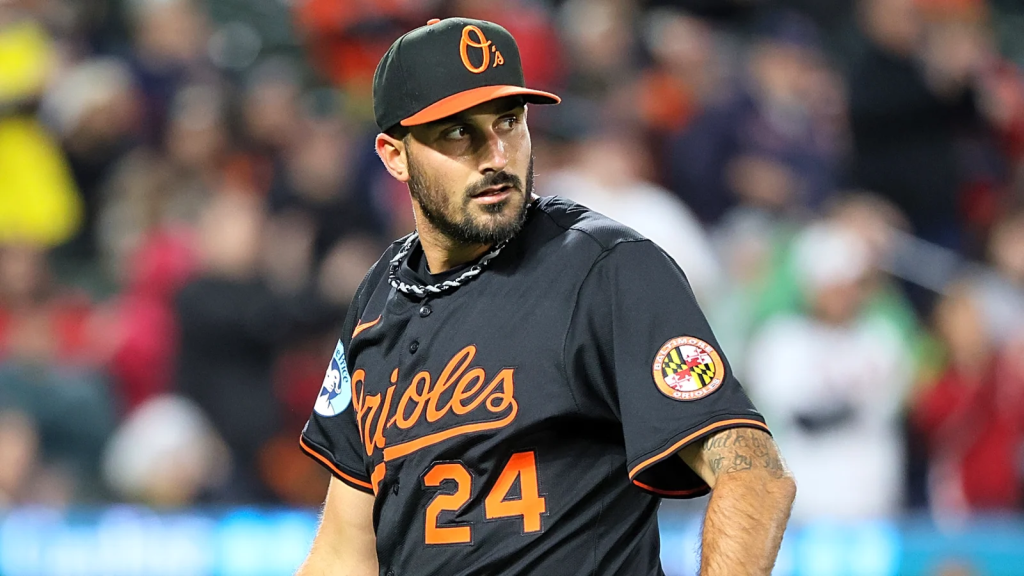
At the end of December, Baltimore re-signed Eflin to a one-year, $10 million contract—plus a host of bonus clauses if he was fit enough to play. The message was clear: the Orioles weren’t paying for what Eflin would do in 2025. They were paying for his potential to return as a player.
Because before things fell apart, Eflin was a key player. After being traded from the Rays in July 2024, he threw 55.1 innings with an ERA of 2.60, a WHIP of 1.12, and a WAR of 1.7—playing the number two role right behind Corbin Burns. That wasn’t a distant memory. It was the most recent image of a healthy Eflin.
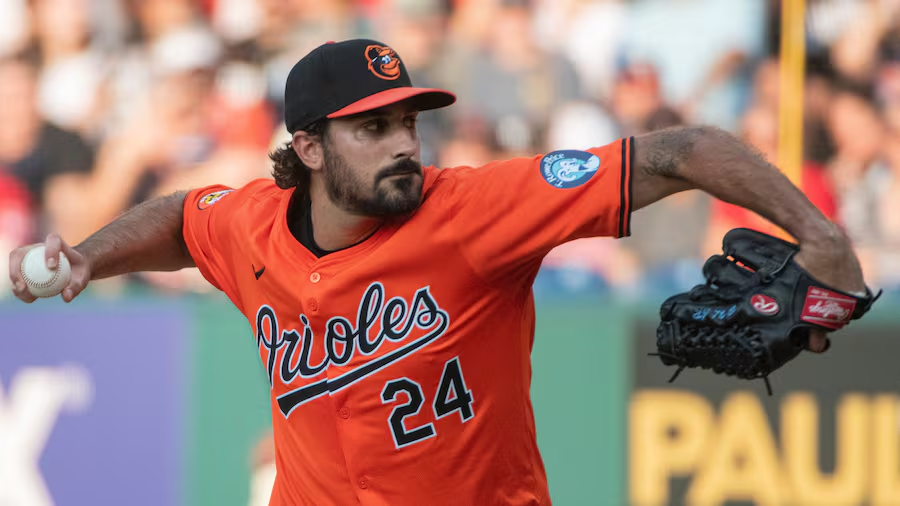
Baltimore’s confidence stems not just from past performance, but from the remaining data points. Off-speed run value at 85 percentile. Chase rate over 32%. Walk rate at only 4.2%. Those metrics suggest that, when his body allows, Eflin still possesses the weapons to survive—and even thrive—in the AL East.
The issue, of course, is “when.”
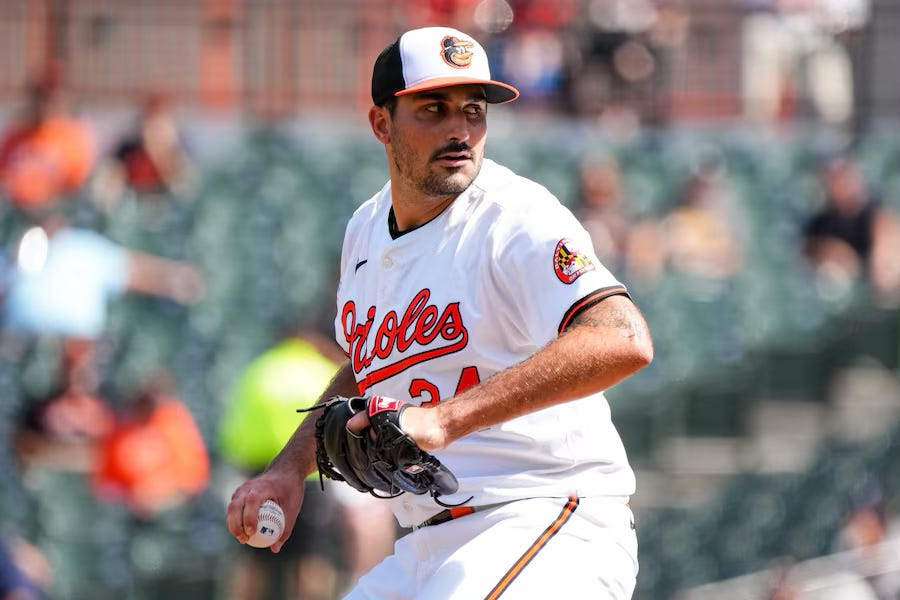
The Orioles enter 2026 with more questions than answers. The lack of a true ace makes every internal selection more crucial. In that context, a healthy Eflin doesn’t need to be an All-Star. He just needs to do one thing: throw consistently, score innings, and ease pressure on the rest of the staff.
Eflin’s contract is structured as a controlled gamble. If he only scores 15–20 starts, the Orioles pay for quality innings. If he reaches 25 starts, it means they’ve won big—not just financially, but structurally.
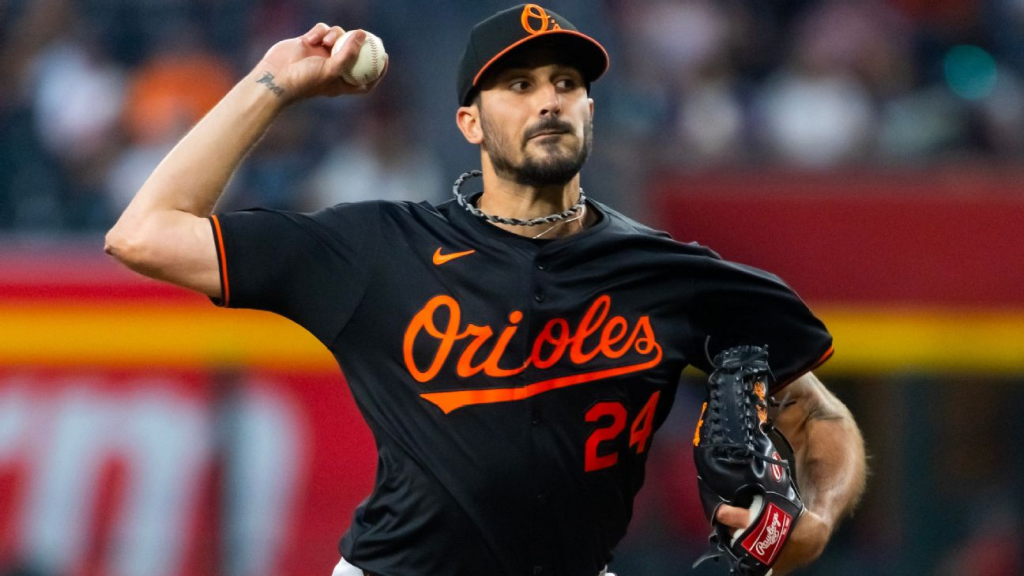
Spring Training will be the first test. Not to see if Eflin has the “power,” but to see if he’s durable. After a year of constant breakdowns, durability is the most important measure.
Zach Eflin may no longer be a name that strikes fear into opponents right from the lineup card. But in a rotation that needs stability, he could be the quiet answer—if his body allows it. And that’s what makes this choice both logical and worrying.
Leave a Reply