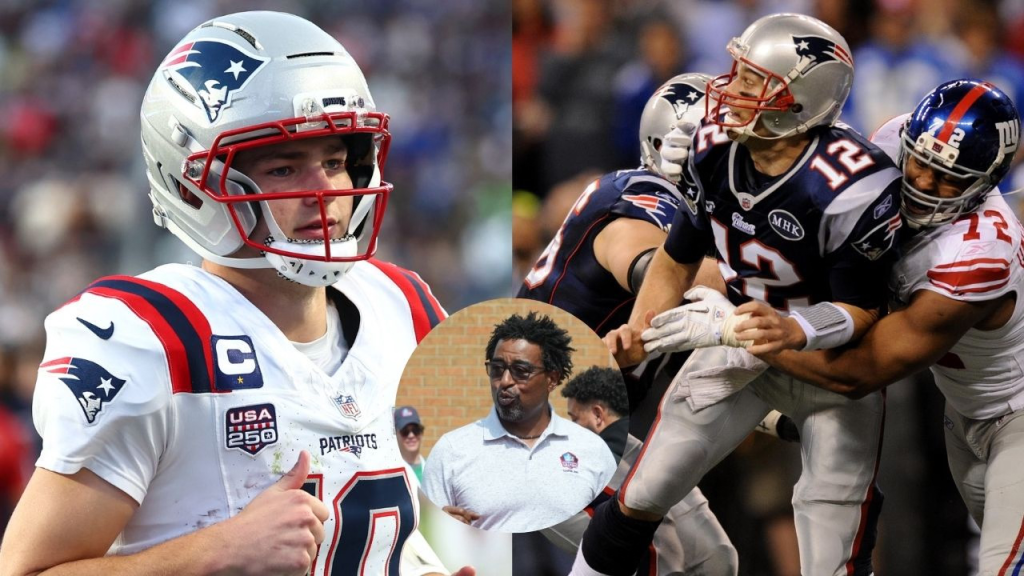
Drake Maye didn’t flinch.
Not before the game.
Not during it.
And not after watching the confetti fall for the other team.
In the weeks leading up to Super Bowl LX, nearly everyone outside of New England doubted the Patriots. Analysts questioned their offensive depth. Bettors leaned heavily toward Seattle. Even neutral fans believed the Seahawks’ suffocating defense would overwhelm the 23-year-old quarterback making his first Super Bowl start.
They were right.
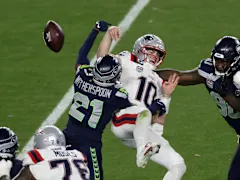
Seattle’s defense lived up to its “Dark Side” reputation, harassing Maye all night in a 29–13 victory that left the Patriots chasing from the opening quarter. The pressure was relentless. The margin for error? Nonexistent.
Yet when Maye stepped to the podium days later, he didn’t sound defeated.
He sounded grounded.
“We got some energy back in the city,” Maye said. “That’s what we talked about in the quarterback room all year long, about turning the city back up. And I think we did… You wish things had gone differently, but I can’t say I have any regrets.”
That sentence carries weight.
Because this wasn’t just any loss.
This was New England’s first Super Bowl appearance since the Tom Brady era officially ended in 2019. For years, the franchise had wandered through uncertainty. Coaching changes. Roster turnover. Identity shifts.
Then came Mike Vrabel.
Then came Drake Maye.
And suddenly, Foxborough had belief again.
The Reality of Sunday Night
The Seahawks were the better team.
Maye didn’t hide from that.
“They were the better team on Sunday,” he admitted. “I just couldn’t get enough going on offense to help our team win.”
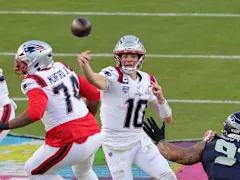
Maye threw two interceptions. The offensive line struggled. Seattle dictated tempo, field position, and momentum. At times, it felt like the Patriots were surviving rather than competing.
For a quarterback who entered the game as the second-youngest starter in Super Bowl history, the stage was massive.
But here’s what stands out:
Maye didn’t make excuses.
No blame-shifting.
No officiating complaints.
No injury narratives.
Just ownership.
Bigger Than One Night
It’s easy to define seasons by their final score.
But context matters.
The Patriots went 17–4 including playoffs. They flipped the narrative of an entire franchise in one year. They restored confidence to a fan base that had grown restless.
And Maye was the centerpiece.
“What a long journey it is to get to that game,” he reflected. “All the bumps and bruises, the time you spend… it’s really worth it when you’re in that game and you have a chance to win a Super Bowl.”
Then he delivered the line that sums up championship football:
“The 20 other games that we played, it’s the last one that really mattered.”
That’s the harsh truth of the NFL.
It doesn’t matter how magical the ride is. If you don’t win the last game, it stings.
Regret vs. Growth
Some quarterbacks carry Super Bowl losses like scars that never fade.
Others turn them into fuel.
Maye seems to fall into the second category.
At 23, he’s already experienced the highest of highs and the sharpest spotlight of defeat. That kind of exposure accelerates development. It reveals flaws you didn’t know you had. It teaches urgency.
And perhaps most importantly, it strips away illusions.
The margin between good and great is brutal at that level.
Given the league’s parity, returning to the Super Bowl is never guaranteed. Windows close fast. Injuries happen. Contracts reshape rosters.
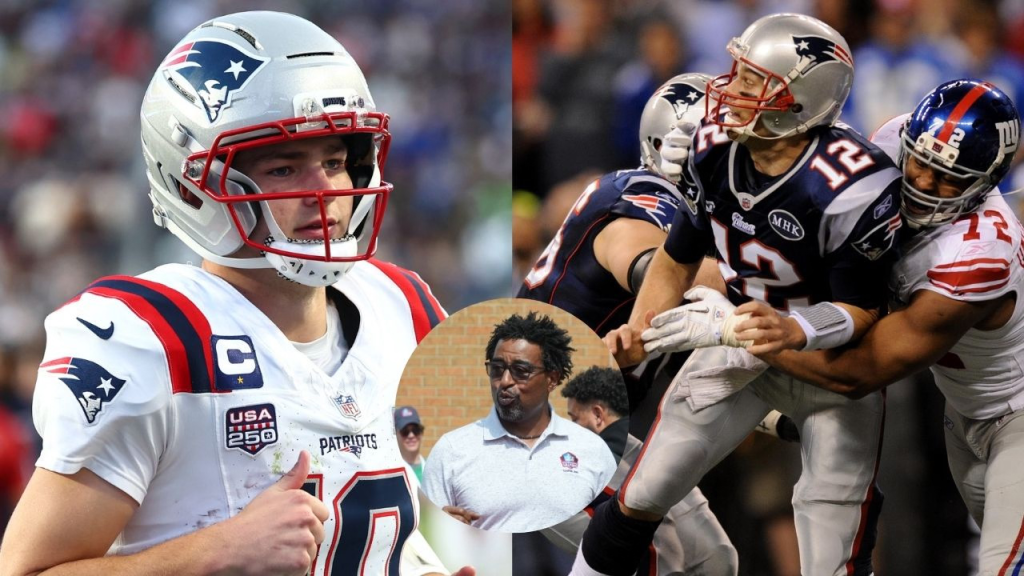
Statistically speaking, many quarterbacks only reach the stage once.
But the Patriots believe this is just the beginning.
They still have a young MVP-caliber quarterback. A Coach of the Year in Vrabel. A front office preparing for another strong draft.
And most importantly, they have a leader who refuses to let one night define him.
The Bottom Line
Drake Maye didn’t win Super Bowl LX.
But he didn’t shrink from it either.
No regrets. No bitterness. Just accountability and belief.
For a franchise trying to build a new era after Brady, that mindset might matter more than the final score.
Because champions aren’t just defined by the rings they wear.
They’re defined by how they respond when they don’t.
Leave a Reply