When the Houston Astros traded Jesús Sánchez to the Toronto Blue Jays just six months after acquiring him, the move raised eyebrows.
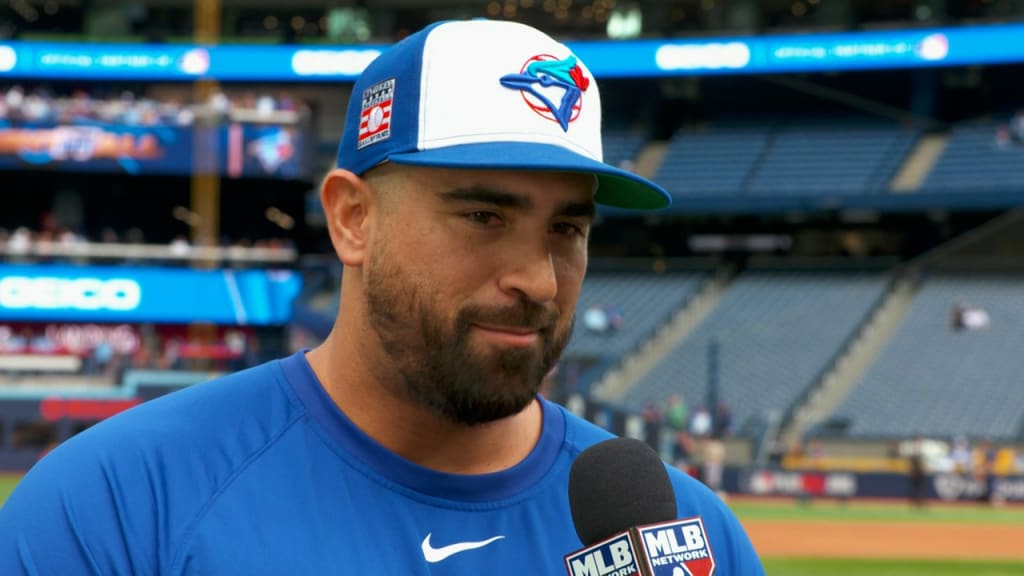
Houston originally targeted Sánchez as the left-handed outfield bat they desperately needed. But after a brief and underwhelming stint, the Astros moved on.
Now, his new club in Toronto is offering a different explanation for why things didn’t work out.
And it points directly at coaching philosophy.
Why Didn’t Jesús Sánchez Succeed in Houston?
On paper, Sánchez looked like a perfect midseason addition in 2025.
While with the Miami Marlins, he had:
- 44 extra-base hits in 2024
- Top 10% MLB rankings in hard-hit percentage
- Elite average exit velocity
- Impressive bat speed metrics (per Statcast)
Houston’s general manager Dana Brown believed Sánchez could inject power into the lineup.
But the results didn’t follow.
In 48 games with the Astros:
- 29 hits
- 40 strikeouts
- 160 at-bats
- OPS+ 31% below league average
Instead of becoming a middle-of-the-order force, Sánchez struggled to find consistency.
Just months after acquiring him, Houston flipped him to Toronto in exchange for Joey Loperfido, a fan favorite.
Toronto’s Take: It Was About Philosophy, Not Talent
The Blue Jays don’t believe Sánchez suddenly lost his ability.
Instead, they believe he was misaligned with Houston’s coaching approach.
Blue Jays hitting coach David Popkins told MLB.com:
“He went over to Houston, and they had some ideas for him to change some things, and I think they didn’t quite resonate with his personality and who he is as a hitter.”
Popkins suggested the Astros shifted Sánchez toward:
- Weakness prevention
- Mechanical adjustments
- Plate discipline restructuring
Rather than emphasizing what he naturally does well.
He added:
“It kind of went more towards weakness prevention than his strengths, so we’re shifting him back more towards, ‘We want you to do what you do well.’”
That statement reads as a subtle critique of Houston’s development strategy.
Houston’s Offensive Struggles in 2025
The Sánchez situation didn’t happen in isolation.
The Astros’ offense slumped badly in the second half of 2025:
- Missed the postseason for the first time since 2016
- Struggled with plate discipline
- Lacked consistent power production
Manager Joe Espada publicly acknowledged concerns about mentality at the plate:
“When we do the little things well, we take pitches, we drive the ball in hitters’ counts… We’ve got to get back to that disciplined approach.”
Following the season:
- Hitting coaches Alex Cintrón and Troy Snitker were dismissed
- Houston hired three new hitting coaches for 2026
That turnover suggests organizational self-reflection.
Sánchez may have simply been caught in a system undergoing correction.

Strength-Based vs. Weakness-Based Development
At the core of the debate lies a philosophical difference:
🔹 Houston’s Approach (2025)
- Emphasized plate discipline
- Focused on correcting flaws
- Attempted mechanical adjustments
🔹 Toronto’s Approach (2026)
- Emphasizes rhythm
- Prioritizes natural strengths
- Encourages instinctive swing path
Popkins explained Toronto’s mindset clearly:
“We’re just trying to see him have rhythm again and get his swing off. We’re excited.”
The Blue Jays aren’t trying to rebuild Sánchez.
They’re trying to restore him.
The Metrics That Tell the Story
The decline in Houston wasn’t subtle.
With Miami:
- 92.1 mph average exit velocity
- .304 BABIP
- 20.8% strikeout rate
With Houston:
- 89 mph exit velocity
- .245 BABIP
- 25% strikeout rate
For a hitter whose value depends on loud contact, losing 3 mph off average exit velocity is significant.
Toronto believes that drop wasn’t coincidence.
It was structural.
Can Sánchez Break Out in Toronto?
The Blue Jays have recent examples of success using a strength-first philosophy:
- George Springer thrived in a defined DH role
- Ernie Clement carved out platoon value vs lefties
Toronto envisions Sánchez in a similar targeted role:
- Maximize hard contact
- Improve rhythm
- Reduce overthinking
- Deploy strategically against favorable matchups
They’re not asking him to reinvent himself.
They’re asking him to be himself again.
A Fresh Start for Both Sides
Houston enters 2026 with:
- Three new hitting coaches
- A renewed commitment to plate discipline
- Adjusted offensive philosophy
Toronto enters with:
- A belief in Sánchez’s raw power
- A strength-based development plan
- A low-risk, high-upside outfield bat
Sometimes, timing matters as much as talent.
Sánchez’s brief Houston chapter may have simply been the wrong fit at the wrong time.
Final Thoughts: Coaching or Chemistry?
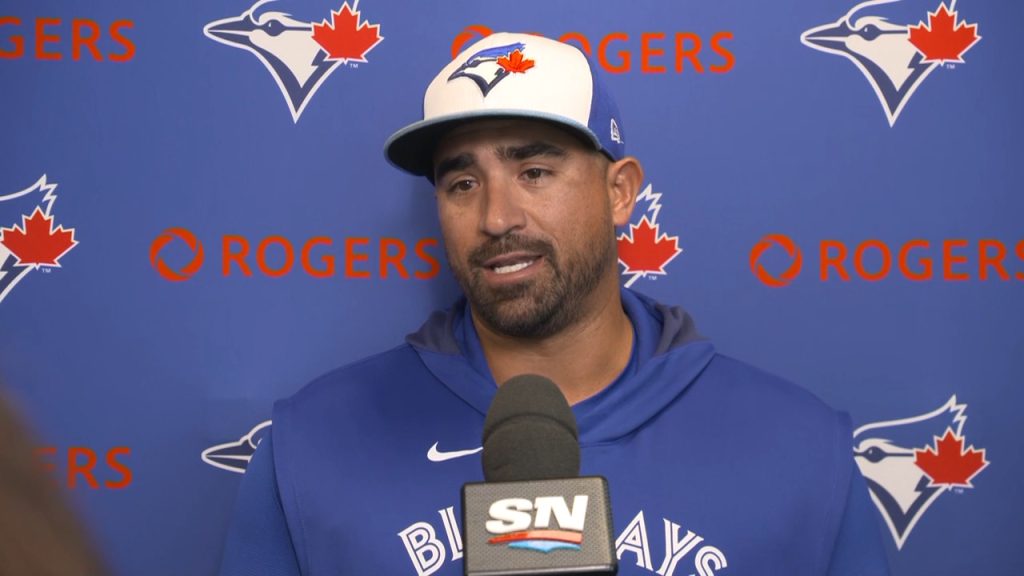
The Blue Jays’ comments suggest they see untapped potential.
The Astros’ actions suggest they saw diminishing returns.
Now both sides move forward into new eras.
The real answer will come on the field.
If Sánchez’s exit velocity rebounds and the power returns, Toronto’s critique gains credibility.
If not, Houston’s skepticism may look justified.
What do you think — was Jesús Sánchez mismanaged in Houston, or did he simply fail to adjust?
Share your thoughts below ⚾👇
Leave a Reply