The Chicago White Sox may still be in Spring Training mode, but their first week of games has already sparked something fans haven’t felt consistently in recent seasons:
Optimism.
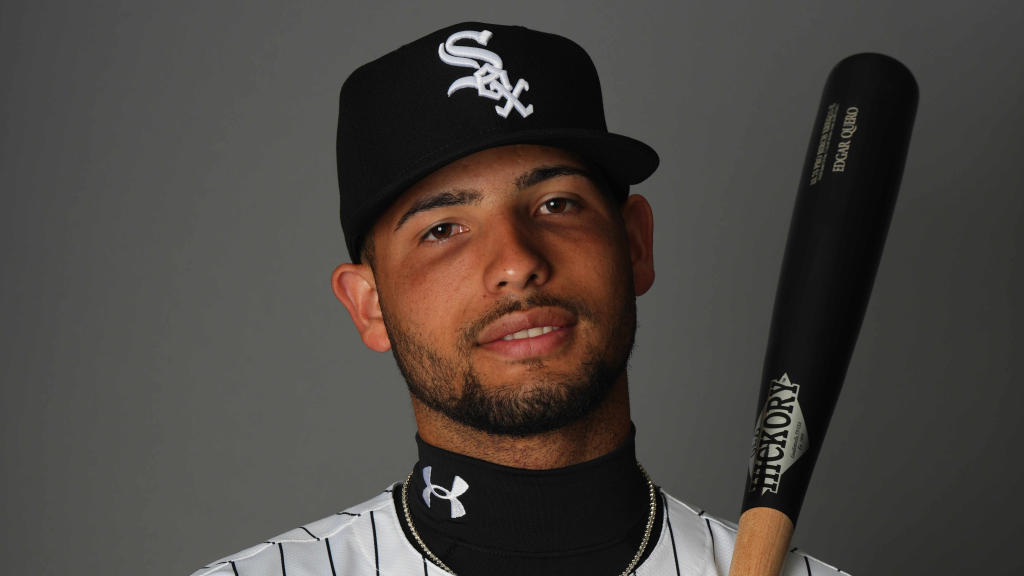
With a 6–4 record through the first ten games of 2026 Spring Training, the White Sox are showing flashes of offensive firepower, defensive versatility, and—most importantly—growth from their young core.
Yes, Spring Training comes with an asterisk.
But momentum? That’s real.
Let’s break down why the White Sox’ early performance could signal a meaningful shift heading into the regular season.
White Sox Spring Training Record: Fast Start With Offensive Firepower
Chicago opened camp strong, winning four straight games before settling into a 6–4 mark.
Across ten games, the numbers are impressive:
- 60 total runs scored
- 6 runs per game average
- At least five runs in six games
- Two games with double-digit scoring
For any MLB team, that’s notable production.
For a White Sox club that has endured multiple difficult seasons, it feels even more significant.
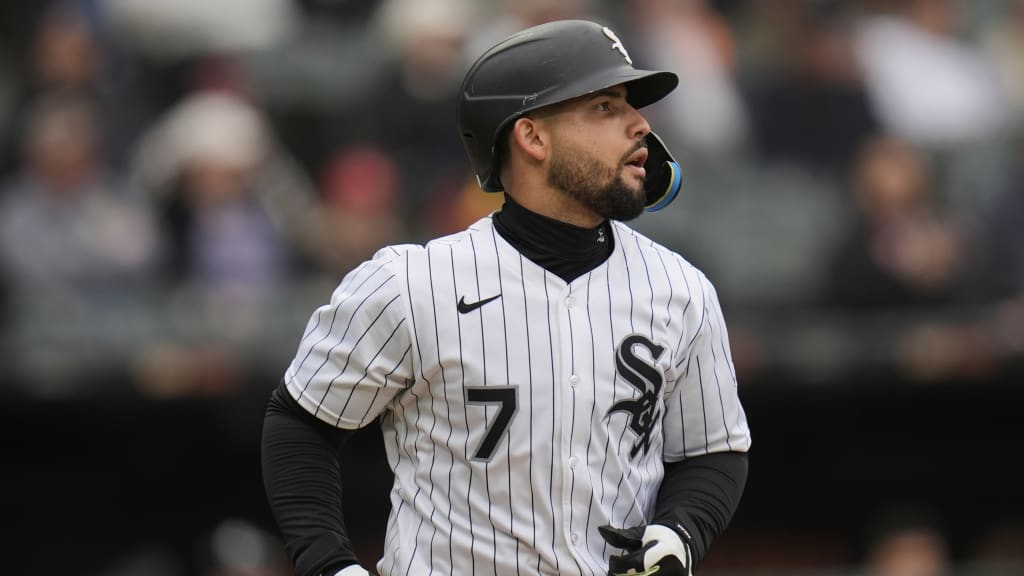
Why Early Offensive Production Matters
Spring Training results don’t determine regular season success.
But trends can.
When a team consistently:
- Produces multi-run innings
- Scores across different lineup spots
- Shows plate discipline
- Maintains aggressive baserunning
…it indicates preparation and internal competition.
The White Sox offense hasn’t relied on one single bat carrying the load. Instead, production has come from both veterans and young players fighting for roles.
That’s a healthy sign for roster depth.
Edgar Quero: The Bat Leading the White Sox Charge
If there’s one name turning heads early in camp, it’s Edgar Quero.
The catcher has been scorching hot:
- 7 hits
- 8 RBIs
- 13 at-bats
That’s elite production—even for Spring Training.
Why Quero’s Hot Start Is Important
The catcher position has quietly become one of the White Sox’ strongest areas.
Chicago now has:
- Multiple capable backstops
- Defensive reliability behind the plate
- Offensive upside from young contributors
But Quero’s performance stands out because of timing.
Spring Training is usually about:
- Shaking off offseason rust
- Regaining timing
- Building stamina
Quero looks like he never left peak form.
Is he simply ahead of schedule?
Or is he ready for a breakout season?
Either way, his early showing strengthens his case for more regular-season at-bats.
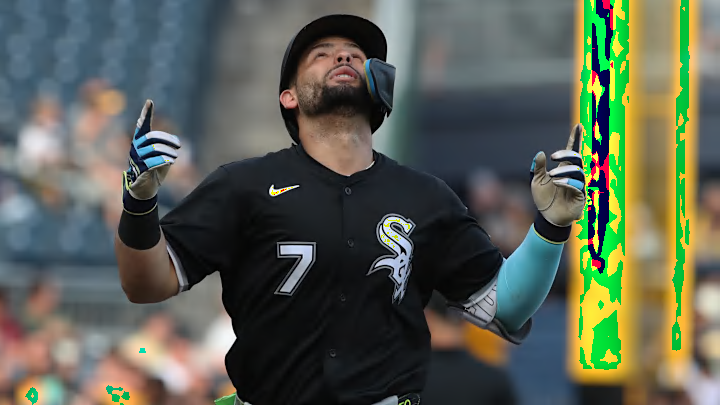
Catcher Depth: A Strength for Chicago
Few teams enter a season confident at catcher.
The White Sox might.
Having three capable options behind the plate means:
- Rest flexibility
- Injury insurance
- Offensive platoon possibilities
- Defensive matchup advantages
If Quero continues producing, internal competition will only intensify.
And competition breeds improvement.
Dru Baker: Speed, Versatility, and Defensive Value
While Quero has been the headline bat, Dru Baker represents another important storyline in White Sox Spring Training.
His stat line might not jump off the page:
- 3 hits
- 4 stolen bases
But his impact extends far beyond the box score.
What Baker Is Showing This Spring
- Aggressive baserunning
- Defensive range
- Ability to play all three outfield positions
- High-energy presence
That versatility is crucial—especially with current outfield injuries.
Baker may not lead the team in hits, but his speed and adaptability make him one of the most intriguing roster bubble players.
And stolen bases matter more than ever in today’s MLB environment.

White Sox Youth Movement: A Bigger Picture
What makes this first week compelling isn’t just individual performances.
It’s the pattern.
The White Sox are seeing:
- Contributions from rookies
- Support from veterans
- Balanced run production
- Energy across the roster
This hasn’t always been the case in recent years.
Previous seasons were often defined by inconsistency, injuries, and lack of depth.
Now, there appears to be internal pressure building—in a good way.
Players are fighting for roles.
That sharpens everyone.
Breaking Down the 60 Runs: Where Is Production Coming From?
Let’s look at what stands out statistically:
| Category | Early Spring Total |
|---|---|
| Games Played | 10 |
| Wins | 6 |
| Runs Scored | 60 |
| Average Runs/Game | 6.0 |
| 5+ Run Games | 6 |
| 10+ Run Games | 2 |
The distribution suggests:
- Explosive innings
- Lineup depth
- Early-season timing advantage
And importantly, scoring hasn’t been top-heavy.
It’s coming from different spots.
That balance is key to sustainable offense.
Spring Training Caveat: Why Caution Still Applies
Let’s be clear.
Spring Training success doesn’t guarantee regular season dominance.
Pitchers experiment.
Lineups rotate.
Starters play limited innings.
However, what Spring Training can reveal is:
- Player readiness
- Depth strength
- Competitive intensity
- Organizational direction
Right now, the White Sox look organized and motivated.
That alone is a shift.
Internal Competition Could Define the 2026 Season
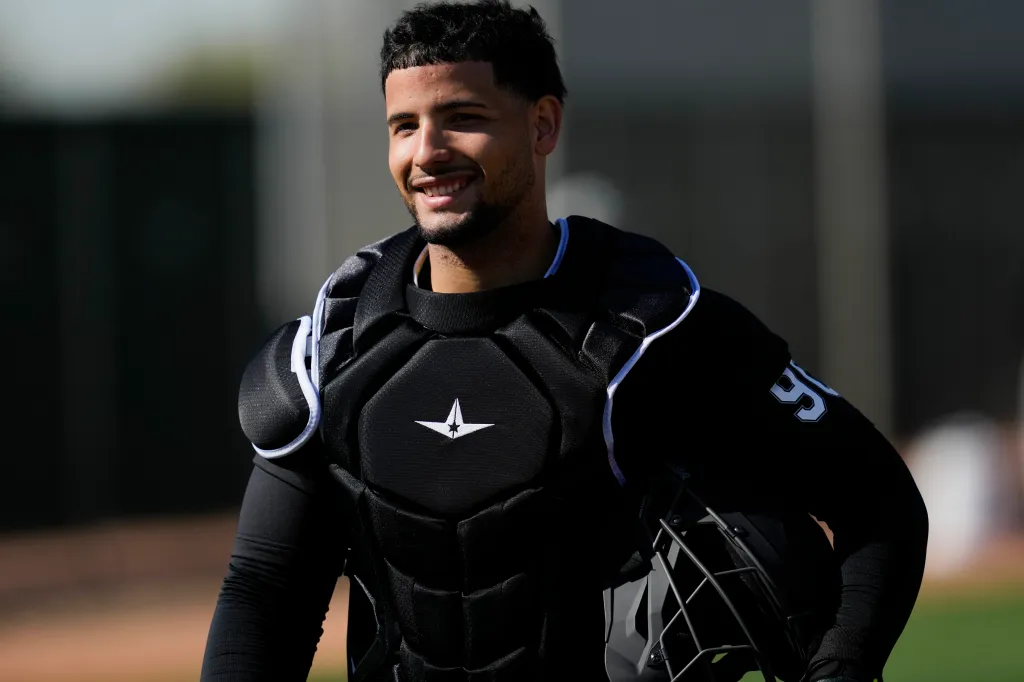
If Quero continues hitting and Baker keeps flashing speed, tough roster decisions will follow.
That’s a good problem.
Internal competition leads to:
- Higher practice intensity
- More accountability
- Sharper focus
- Development acceleration
For a team building around youth, that’s essential.
The White Sox don’t just need improvement.
They need internal growth.
And this first week suggests that growth may already be happening.
What Should White Sox Fans Watch Next?
As Spring Training continues, key questions remain:
- Can Edgar Quero sustain his offensive rhythm?
- Will Dru Baker force his way into consistent outfield reps?
- Can the team maintain balanced scoring?
- Will pitching depth support the offensive momentum?
These answers won’t be finalized in March.
But trends will start forming.
Final Thoughts: Momentum Matters in Chicago

The White Sox’ 6–4 Spring Training record won’t hang a banner.
But it does signal something meaningful:
✨ Energy
✨ Youthful promise
✨ Offensive depth
✨ Internal competition
For a franchise searching for stability and identity, this first week offers a glimpse of possibility.
If young contributors like Edgar Quero and Dru Baker continue developing, Chicago’s rebuild narrative could quietly transition into a competitive one.
And that’s something White Sox fans haven’t consistently enjoyed in recent seasons.
What do you think?
Are these early Spring Training results a real sign of progress for the Chicago White Sox? Or is it too early to buy in?
Drop your thoughts below and join the conversation ⚾👇
Leave a Reply