The Super Bowl spotlight can turn promise into pressure in a matter of minutes.
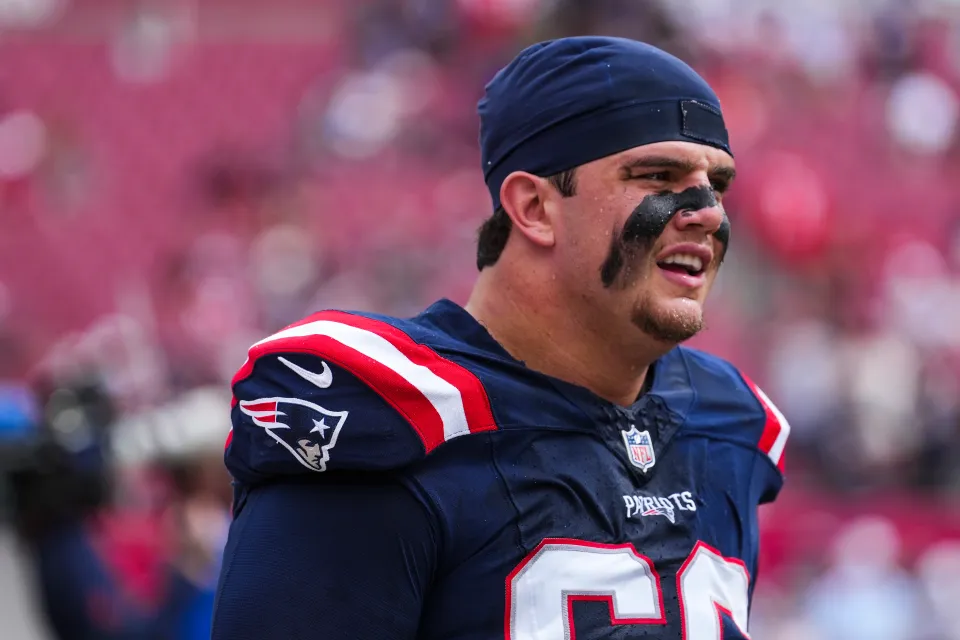
For Will Campbell, it did exactly that.
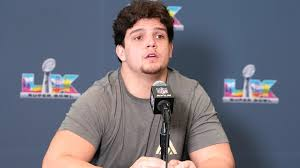
New England’s 29–13 loss to Seattle was painful enough. But what followed only intensified the scrutiny. The Patriots’ rookie left tackle avoided the media immediately after the game, walking past cameras and questions in silence.
Two days later, he returned—with an apology.
“When I get emotional, I tend to have no mind,” Campbell admitted. “If I would have spoken after, I would have said something I didn’t need to say.”
It wasn’t defiance. It wasn’t arrogance.
It was self-awareness.
But by then, the damage—on the field and in perception—had already been done.
Selected No. 4 overall in the 2025 NFL Draft and signed to a four-year, $43 million deal, Campbell entered the season with expectations as large as his contract. Protecting second-year quarterback Drake Maye was his primary assignment.
On Super Bowl Sunday, that responsibility unraveled.
Seattle’s defense recorded six sacks for 43 yards. Campbell allowed 14 quarterback pressures—an NFL record across the 2025 regular season and postseason. Three turnovers compounded the problem.
In a game where every snap is magnified, the struggles became impossible to ignore.
“It comes with the job,” Campbell said, acknowledging the criticism. “I was picked high, paid a lot… I expect more myself.”
The honesty resonated. But so did the numbers.
In the aftermath, speculation quickly surfaced: Should the Patriots consider moving him inside? Could a shift to guard or another position ease the pressure?
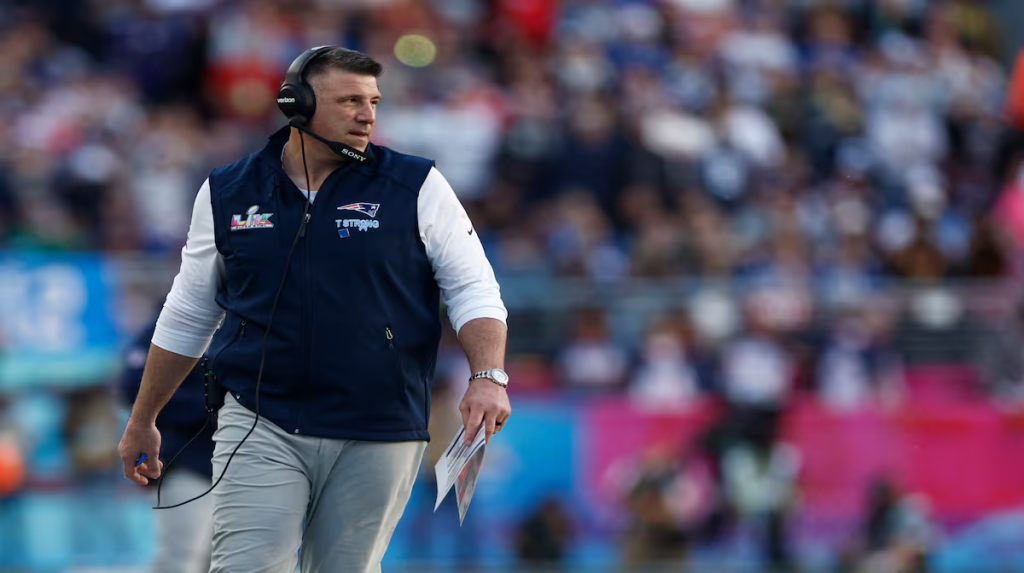
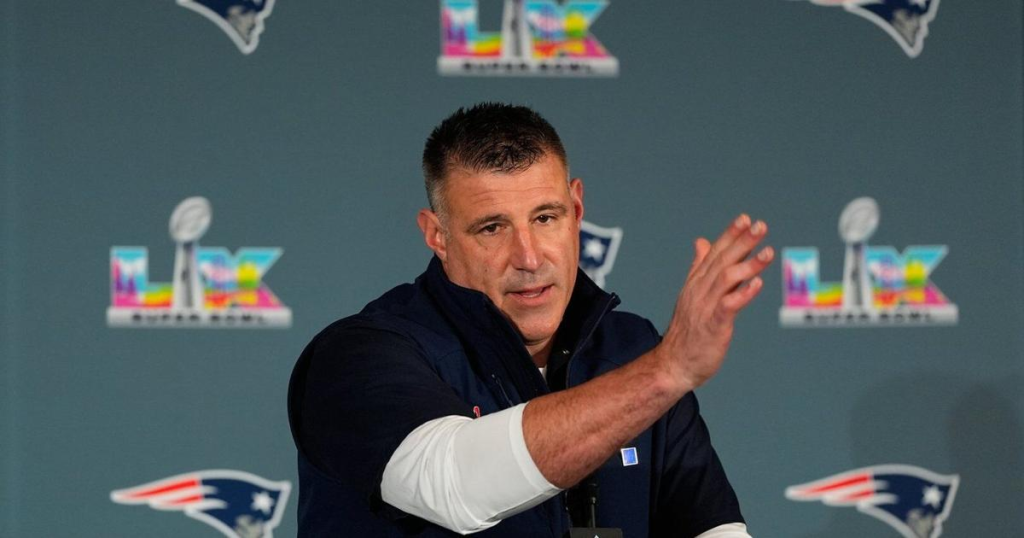
Head coach Mike Vrabel answered that question with unusual firmness.
“We’re not moving Will to guard, or center or tight end or anywhere else,” Vrabel said.
The message was unmistakable.
Campbell remains the left tackle.
In an era where franchises often pivot quickly after public failures, Vrabel’s stance carried weight. It wasn’t just a vote of confidence—it was a declaration of long-term belief.
“Will’s 22 years old,” Vrabel reminded reporters. “He’ll get better. He’ll get stronger.”
The coach also resisted the temptation to isolate blame.
“Nobody played good enough for us to win.”
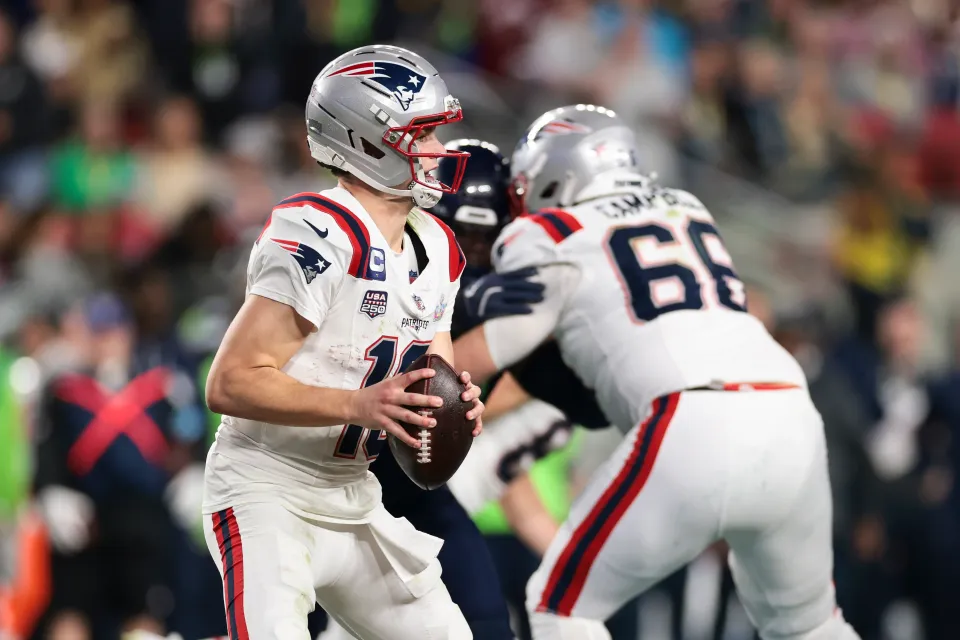
That included Maye, who received a painkilling injection before kickoff and struggled to find rhythm. He finished 27-of-43 for 295 yards, two touchdowns, two interceptions, and lost a fumble. The offense never found stability.
Vrabel widened the lens deliberately.
Protection is collective. Execution is collective. Coaching decisions are collective.
But the image of Campbell walking off the field under pressure lingers.
Rookies are judged differently in February than they are in September. Regular-season growth stories fade under championship lights. And for a franchise that went 17–4 overall, the expectation wasn’t progress—it was perfection.
Campbell’s rookie season featured strong moments across 13 games. Yet the Super Bowl defined perception. Fair or not, that’s the nature of the stage.
Still, something about his apology felt different.
He didn’t deflect. He didn’t blame the scheme. He didn’t cite inexperience.
He owned it.
And Vrabel doubled down on that ownership with institutional support.
The Patriots now enter an offseason where reinforcements are possible—through free agency, the draft, or trades. Improvements along the offensive line will likely be prioritized.
But the left tackle spot, for now, remains unchanged.
The long-term view suggests patience. Offensive linemen often mature with time, strength, and repetition. One catastrophic performance doesn’t erase a career trajectory.
Yet the NFL rarely offers quiet rebuilds under bright expectations.
Campbell’s next snap will carry memory.
His next mistake will carry context.
And his next improvement will need to be visible.
The Super Bowl may have exposed him.
But it also revealed something else.
A rookie willing to admit failure.
And a head coach unwilling to abandon him.
Whether that combination becomes redemption—or regret—will define New England’s next chapter.
Leave a Reply