Shohei Ohtani has played hundreds of games in Major League Baseball.
But the Dodgers have decided that one of them now belongs to history.
Before the 2026 season has even begun, Los Angeles announced that Ohtani’s performance in Game 4 of the National League Championship Series will be immortalized — twice — in a special “Greatest Game” bobblehead series.
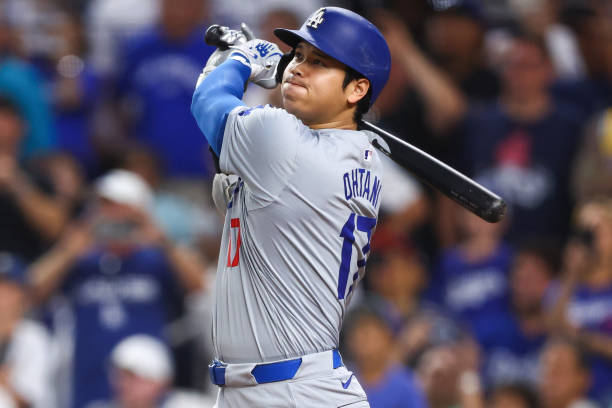
It’s not just a giveaway.
It’s a declaration.
Ohtani is entering the ninth season of a career that already feels mythological. A .282 lifetime hitter. A .957 OPS. 280 home runs. 165 stolen bases. A 3.00 ERA across 100 pitching starts. Four MVP awards. Two World Series rings.
But statistics don’t fully capture Game 4.
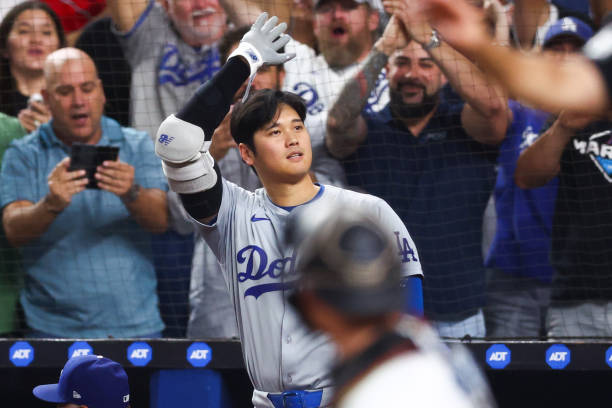
That night against Milwaukee, Ohtani did something baseball rarely allows. He started on the mound and dominated — six shutout innings, 10 strikeouts, only two hits allowed. Then he led off at the plate and went 3-for-3 with three home runs and a walk.
It wasn’t just dominance.
It was absurd.
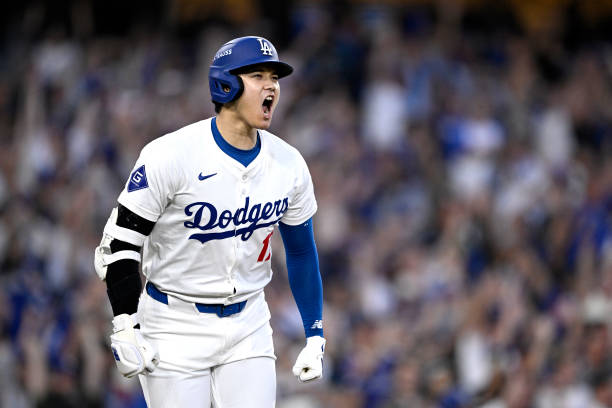
A 5-1 victory that completed a sweep and sent the Dodgers to another World Series. A game that compressed two careers into one box score.
The Dodgers could have let it live in highlight packages. In YouTube compilations. In postseason documentaries.
Instead, they chose permanence.
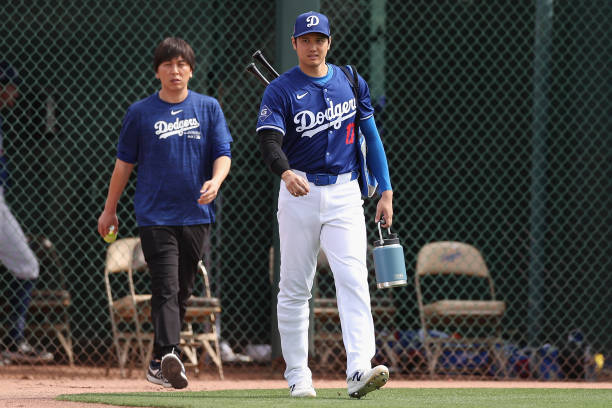
Two bobbleheads. Two distribution dates. April 10 against Texas. July 8 against Colorado.
The message is subtle but unmistakable: this wasn’t just a great performance. It was an artifact.
For a player in the third year of a 10-year, $700 million contract, that framing matters. Ohtani is no longer simply the league’s most electrifying talent.
He is becoming institutional memory.
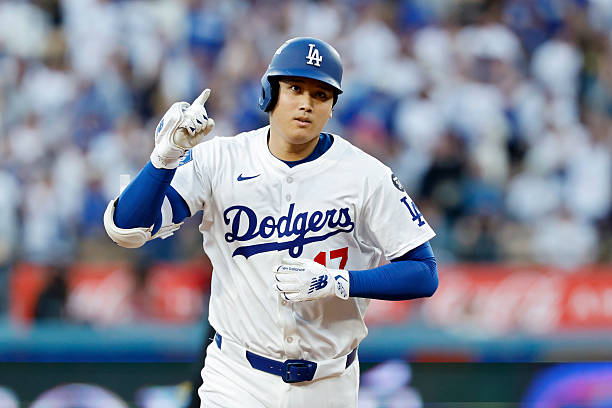
The promotional schedule carries the language of celebration — “Promotions worthy of back-to-back Champs.” But beneath that tone sits something larger. The Dodgers are not waiting for Ohtani’s career to conclude before honoring it.
They are documenting it in real time.
There’s a risk in that.
When a franchise freezes a moment this quickly, it raises the bar for what comes next. Ohtani’s standard is already astronomical. Now even his past performances are treated as singular events, worthy of preservation before the season turns.
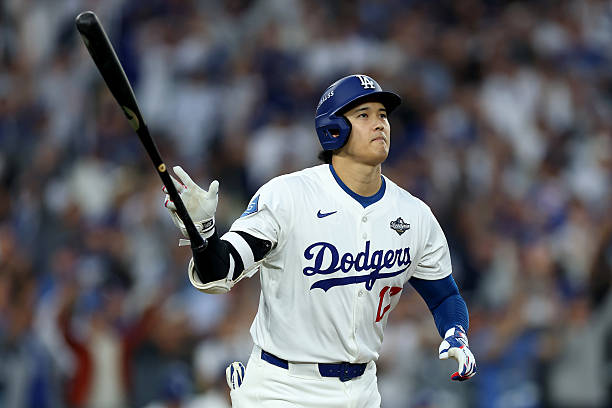
In 2025, he won his third consecutive MVP, slashing .282/.392/.622 with 55 home runs and a 1.014 OPS. He returned to the mound for 14 starts, posting a 2.87 ERA. Balanced brilliance.
But Game 4 became something else.
It wasn’t just productivity. It was spectacle.
In Los Angeles, spectacle matters.
The Dodgers are chasing three straight World Series titles in 2026. That quest begins March 26 against Arizona. But before a single pitch of the new campaign is thrown, the franchise has already anchored itself to a memory.
The move feels less like marketing and more like mythology building.
Because dynasties don’t just win.
They curate.
And Shohei Ohtani, whether he intends to or not, is at the center of that curation.
The bobbleheads will sit on shelves across Southern California. Miniature versions of a night when baseball briefly felt unrestrained by logic.
The real question isn’t whether that game deserves commemoration.
It’s whether Ohtani is finished creating moments that demand even more.
Leave a Reply