This is the season of rankings. And for the Milwaukee Brewers, each new ranking is more of a confirmation than a surprise.
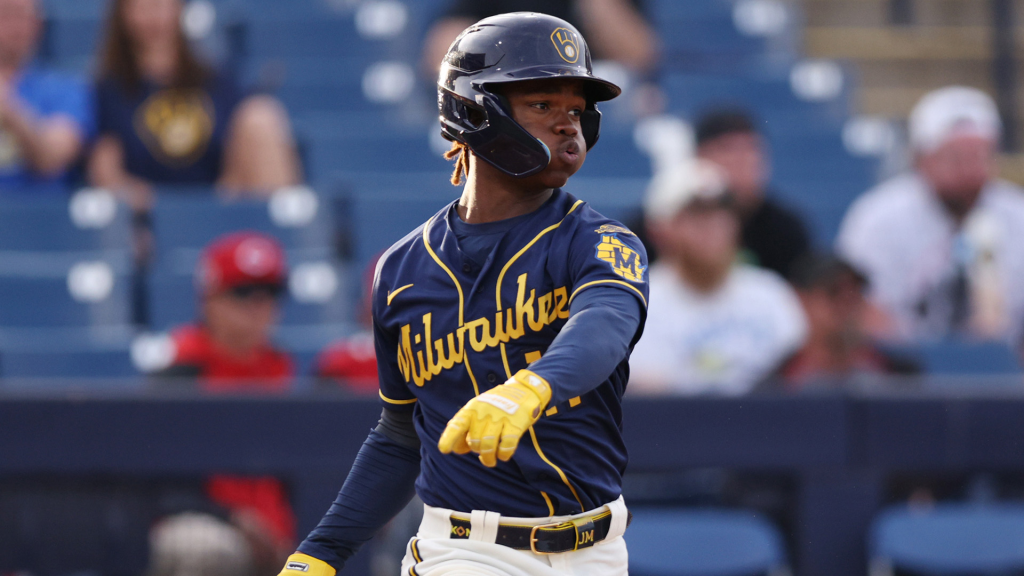
Even before the blockbuster trade of Freddy Peralta brought in Jett Williams and Brandon Sproat, the Brewers already possessed one of the strongest farm systems in MLB. But after that trade, the story changed. Not in a way that was “a little better.” But rather: separating them from the rest.
MLB Pipeline hinted at this early on. Five prospect Brewers made it into the Top 100. When the list expanded to the Top 110—that number rose to seven, matching the Seattle Mariners, the most in the league. But Pipeline was just the beginning.
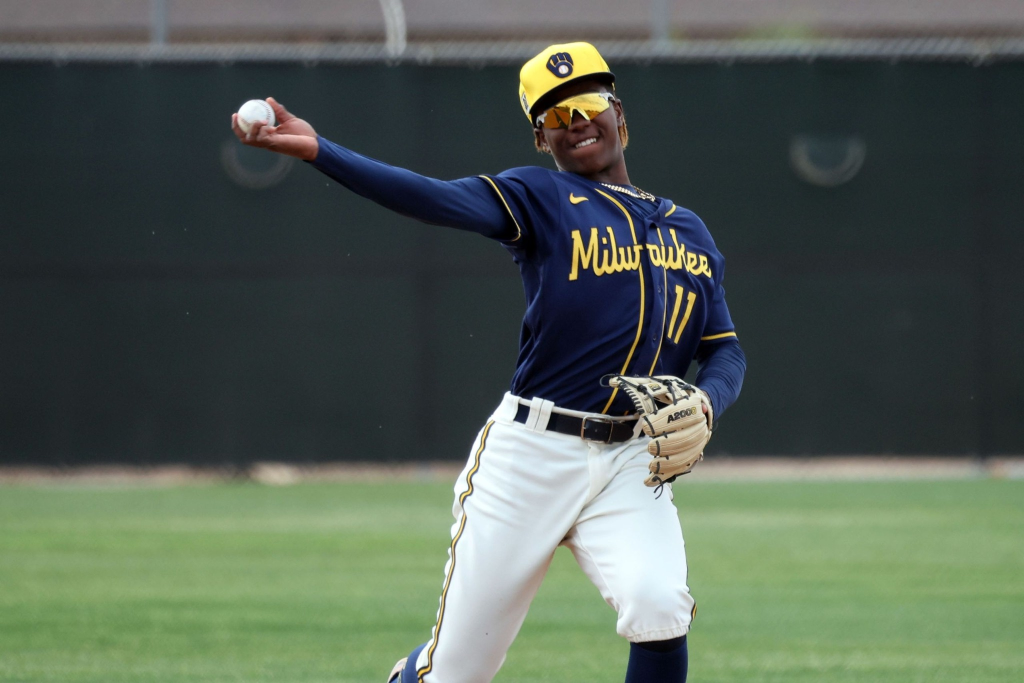
When Keith Law (The Athletic) and Kiley McDaniel (ESPN) released their farm system rankings, all doubt almost vanished. Both ranked the Brewers at number 1. Not because of a “super prospect.” Not because of a lucky draft season. But it’s about the overall system.
The difference lies in depth.
McDaniel gave a very clear example: the Texas Rangers have Sebastian Walcott — a top 5 prospect in all MLB — but their farm system is only ranked 22nd. One star doesn’t make a strong system. The Brewers are the opposite. They have a star — and an entire army behind him.
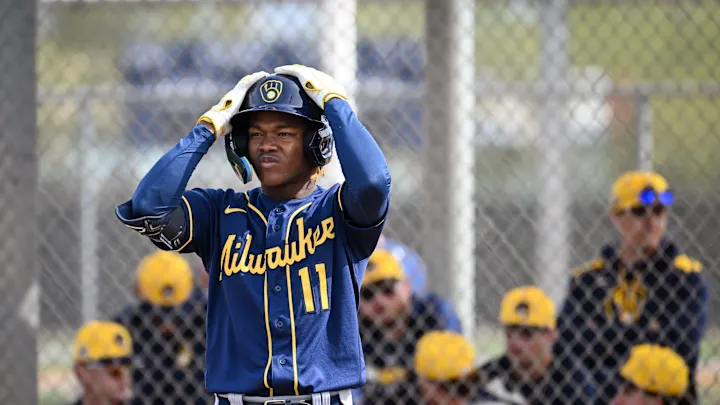
Jesús Made is the centerpiece. An 18-year-old could become the number one prospect in all MLB in the very near future if Konnor Griffin or Kevin McGonigle graduate in 2026. But Made is just the tip of the iceberg.
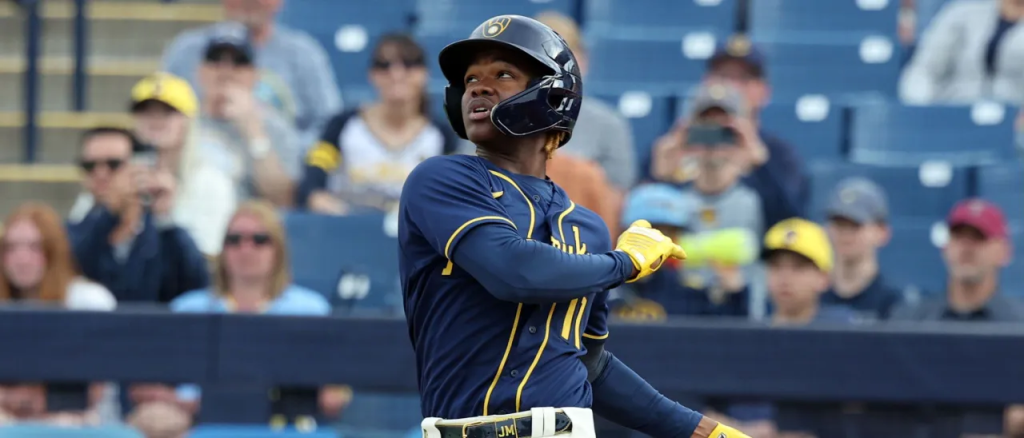
According to Law, the Brewers already have six Top 100 prospects. According to McDaniel, the number is eight. And when ESPN expanded the list to the Top 200, the Brewers added four more names — bringing the total to 12 in the Top 200 prospects in all MLB. No other team has reached that level.
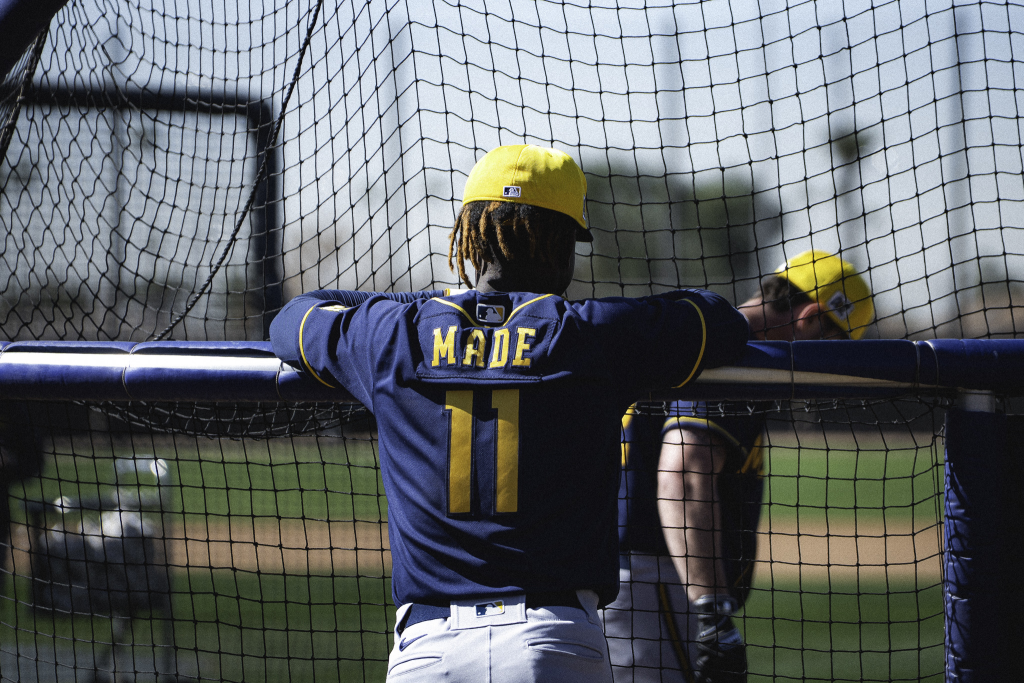
This list isn’t just about “lottery tickets.” Luis Peña. Jett Williams. Logan Henderson. Cooper Pratt. Brandon Sproat. Jeferson Quero. Bishop Letson. Luke Adams. Andrew Fischer. Josh Adamczewski. Luis Lara. The names span from middle infield, catcher, corner bat to pitching — and, more importantly, across all levels of development.
This isn’t a system of betting everything on one age group.
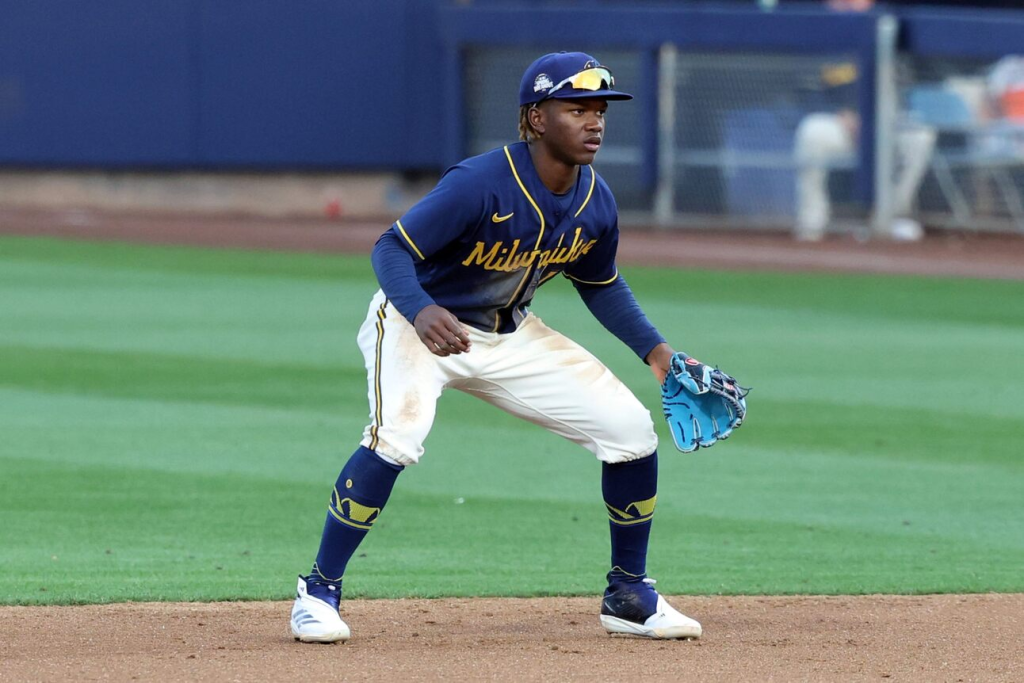
Most of the prospects listed above are expected to achieve Double-A status in 2026. This means Brewers aren’t just hoarding talent — they’re pushing the development flow forward simultaneously. That’s rare, and extremely difficult to sustain without a solid scouting + development structure.
And that’s what’s causing the rankings to collectively “bow down.”
After the Peralta deal, many wondered if Brewers were sacrificing the present to gamble on the future. But looking at the current farm system, that question seems to have the opposite answer: Milwaukee is extending both ends of its competitive window.
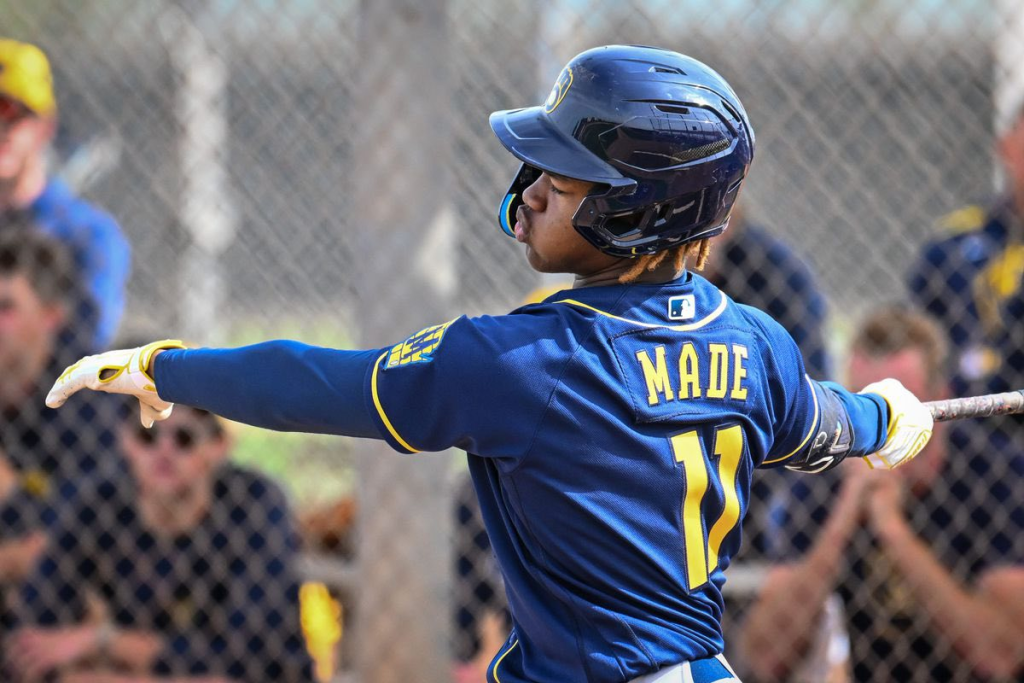
They have a strong enough MLB roster to continue competing. And behind it is a system capable of continuous supply—or becoming a trade source if needed.
This is no longer a “promising” farm system. This is a farm system that is creating pressure. Pressure on other teams. Pressure on the Brewers themselves—because when you’re judged to be the best, expectations leave no room for error.
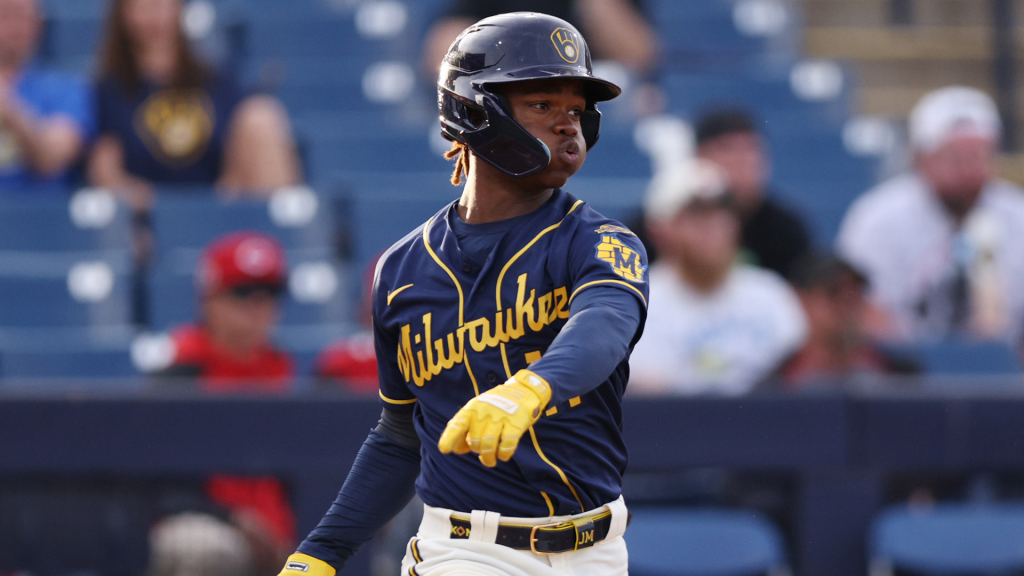
But if there’s one organization that has proven they know what to do with those expectations, it’s Milwaukee.
The rankings only reveal what insiders have known for a long time: the Brewers’ window isn’t closed.
It’s just been opened another notch.
Leave a Reply