In Chicago, winter has always been more than weather. It’s been a warning.
That’s why Brian Urlacher didn’t mince words when the conversation turned—again—to the Bears’ long-term stadium future.
In the aftermath of Chicago’s narrow 20–17 overtime loss to the Los Angeles Rams in the Divisional Round, the Hall of Fame linebacker went straight at the idea of abandoning outdoor football for a dome.
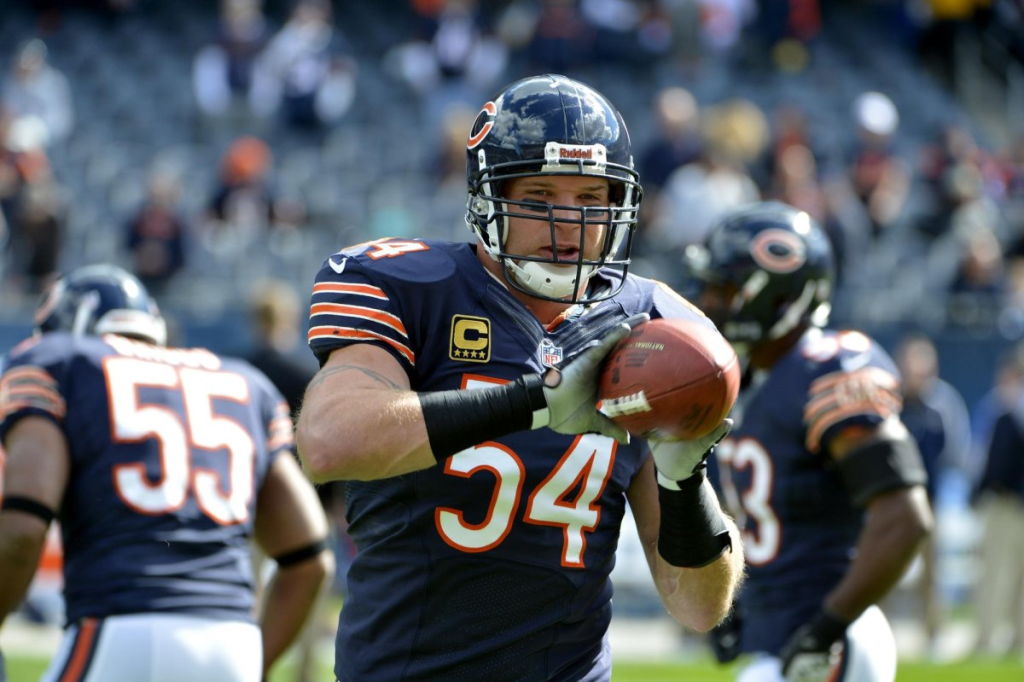
“No one wants to go there in the winter. It’s cold as hell,” Urlacher said on a national sports talk show.
Then he paused—figuratively—and flipped the argument on its head.
“Our fans love it.”
For Urlacher, the discomfort isn’t a flaw. It’s a feature. Soldier Field’s frozen winds, numb fingers, and brittle turf are not inconveniences to be engineered away.
They are part of the Bears’ competitive identity—one forged over decades of defense-first football and opponents who dreaded December trips to Chicago.
The timing of his comments wasn’t accidental.
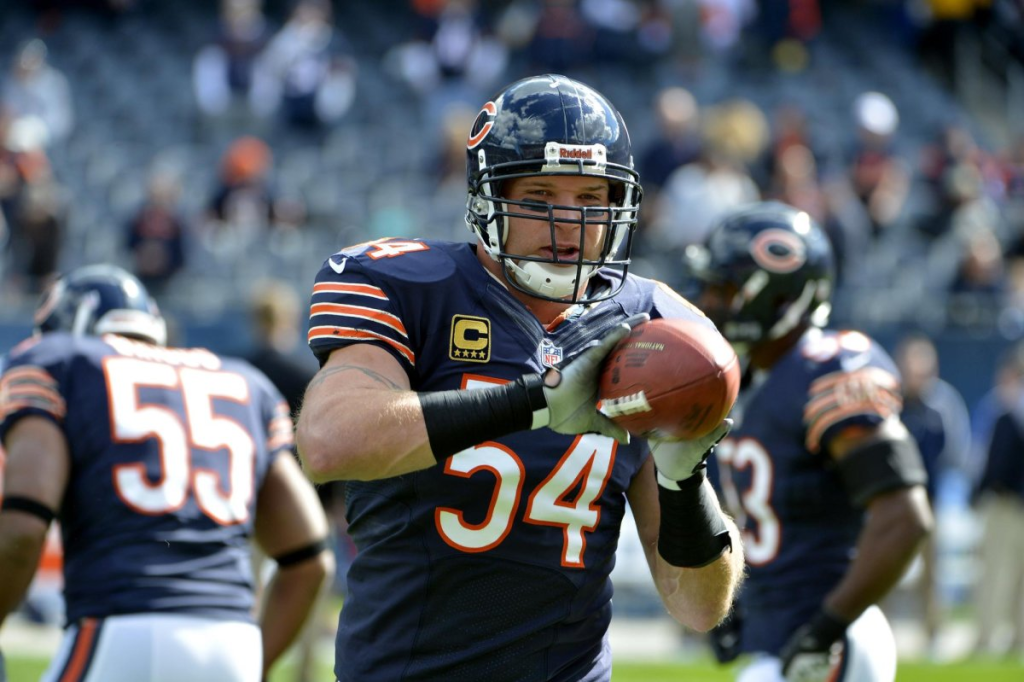
Chicago’s 2025 season unfolded as a quiet rebuttal to the dome argument.
Under first-year head coach Ben Johnson, the Bears rebounded from an 0–2 start to finish 11–6, capture their first NFC North title since 2018, and return to playoff relevance.
Quarterback Caleb Williams delivered a breakout year, setting franchise records for passing yards and touchdowns. Meanwhile, a defense built on pressure and takeaways thrived in ugly conditions.
The Bears’ most defining moment came in the Wild Card Round—an improbable comeback win played in sub-freezing temperatures.
The cold didn’t just exist; it influenced the game. It slowed opponents. It amplified mistakes. And it energized a fan base that packed Soldier Field knowing full well what the night would feel like.
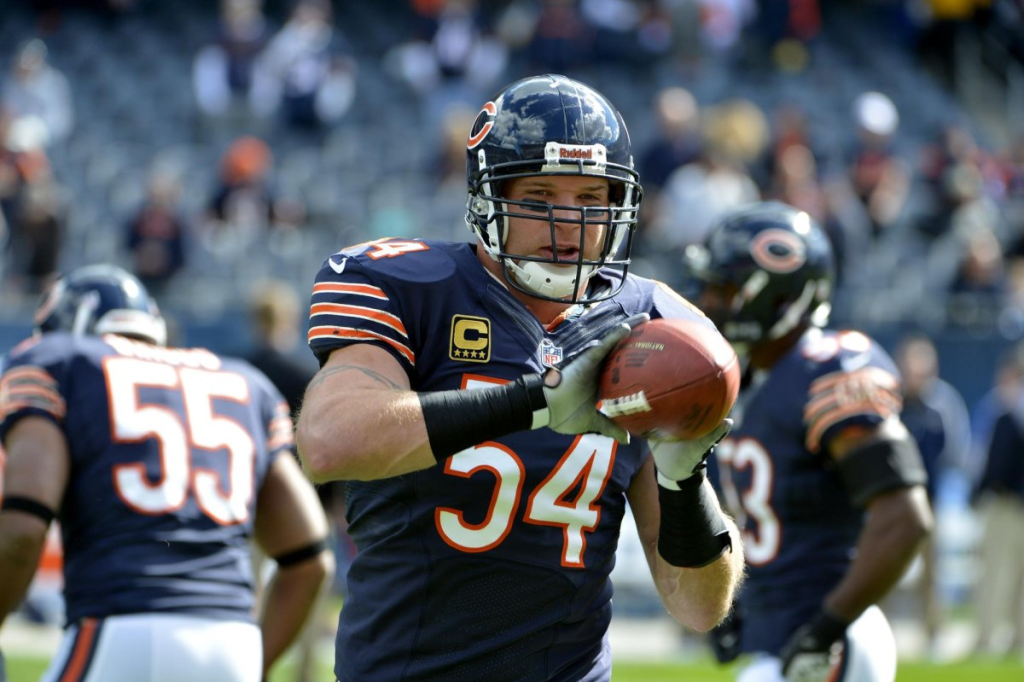
Chicago fell a week later in overtime against the Rams, but the blueprint was clear: this was a team comfortable in chaos.
Still, uncertainty lingers beyond the field.
Team president Kevin Warren confirmed in December that the franchise is exploring stadium options outside Illinois.
Northwest Indiana has emerged as a serious possibility. The city of Gary has unveiled conceptual renderings for a domed stadium district near the I-80/I-94 corridor.
Hammond and the Wolf Lake area remain under consideration. No final decision is imminent, but the direction of travel has unsettled many fans.
Urlacher’s comments tapped directly into that anxiety.
For him, moving into a dome wouldn’t just modernize the franchise—it would dilute it. Chicago without winter football, in his view, becomes something generic.

Another climate-controlled venue. Another neutral site. Another team that traded intimidation for convenience.
That perspective isn’t rooted in nostalgia alone. It’s strategic.
Cold-weather teams historically benefit from familiarity. Routines don’t change. Grip, footing, breath control—these are learned advantages.
Opponents, especially those built for speed and timing, often struggle. Urlacher’s Bears made a living off that edge during his playing days.
The modern NFL may emphasize offense and efficiency, but Urlacher’s stance suggests that environment still matters—especially when margins are thin.

What complicates the debate is progress. New stadiums bring revenue streams, Super Bowl bids, and year-round usability. Ownership sees growth. Fans see tradition at risk. Urlacher sees identity on the line.
Chicago’s 2025 resurgence sharpened that tension. The Bears didn’t just win games; they did it in conditions that reminded the league who they are supposed to be.

The question now isn’t simply where the Bears will play. It’s what version of themselves they want to be.
For Urlacher, the answer is simple—and cold.
Leave a Reply