Dave Roberts is preparing for his 11th season as the manager of the Los Angeles Dodgers, a role that has made his name synonymous with October expectations and sustained success.
Every spring, the spotlight finds him effortlessly.
His son, Cole Roberts, is moving in the opposite direction.
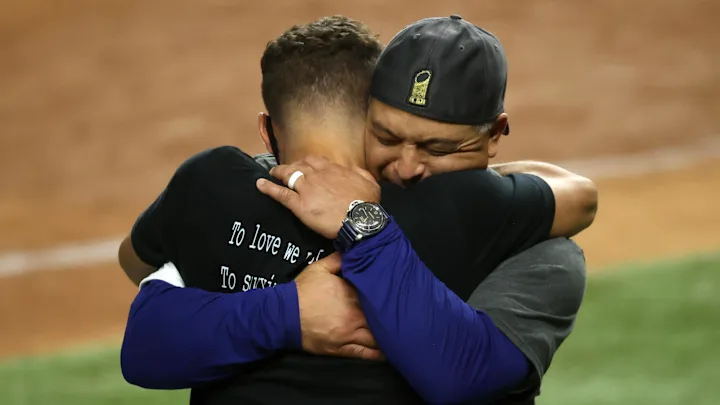
At 25, Cole has stepped away from playing professional baseball and into coaching, beginning his career as a bench coach with High-A West Michigan in the Detroit Tigers organization.
There was no announcement tour. No farewell video. Just a quiet transition—one that says as much about the reality of baseball as it does about legacy.
Cole’s path to this moment was never simple, even before the weight of his last name entered the conversation.
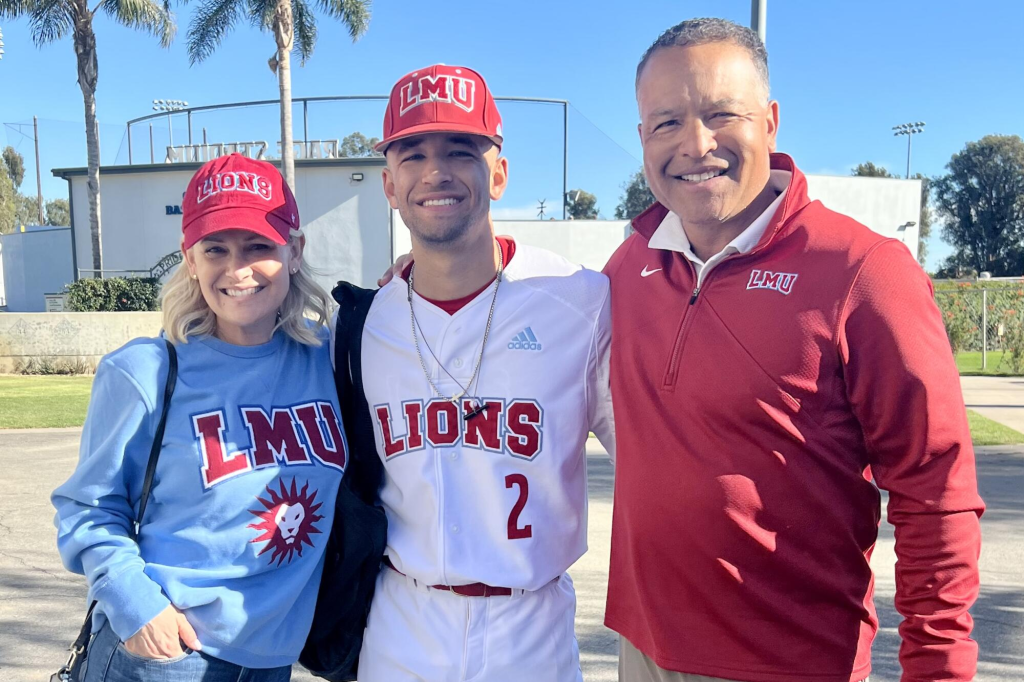
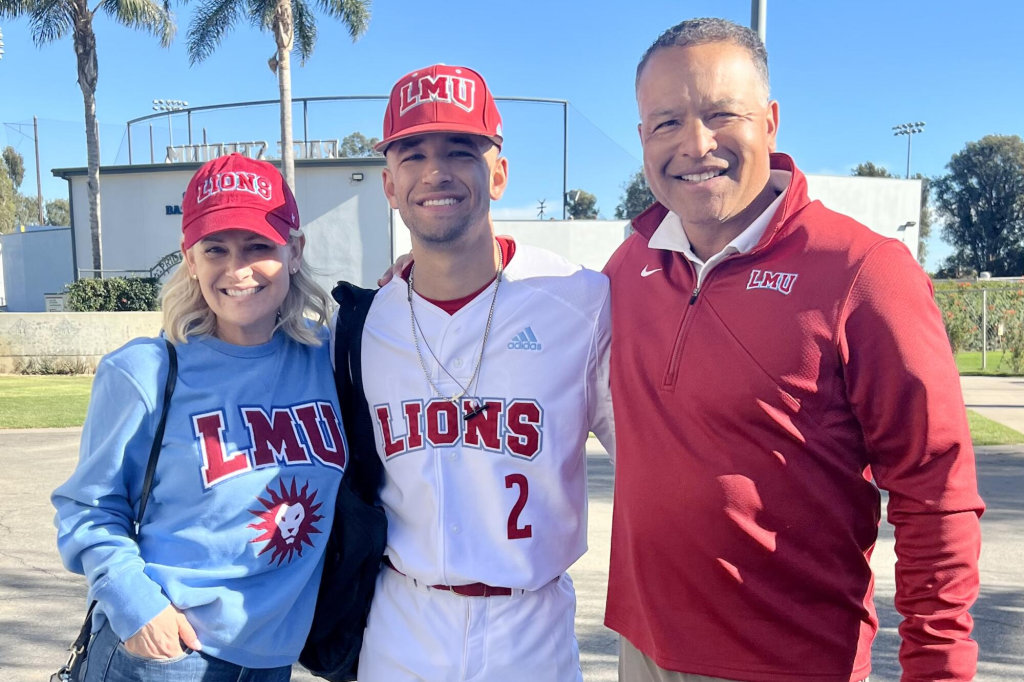
After playing college baseball at Loyola Marymount University, he was drafted by the San Diego Padres in the 38th round in 2019. He didn’t appear in a game.
Later stops with the Arizona Diamondbacks and Philadelphia Phillies followed, marked by effort, opportunity, and limits that every minor leaguer understands too well.
Across 97 games from 2023 to 2025, Cole played multiple positions—second base, shortstop, left field—batting .222 with flashes of versatility but without the breakthrough that turns organizational depth into inevitability.
The highest rung he reached was Double-A Reading, where he appeared in six games.
For most players, that’s where the story quietly changes shape.
One of the most striking moments of Cole’s playing career didn’t involve a box score at all.
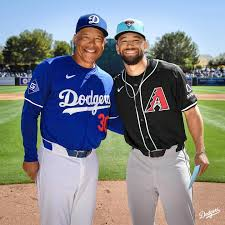
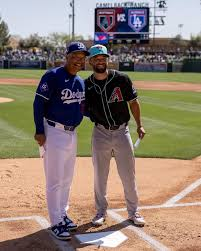
During a 2024 Cactus League game, he exchanged lineup cards with his father—Dodgers manager Dave Roberts—before stepping into the batter’s box against Los Angeles.
It was a scene that felt symbolic without trying to be. A son facing a team led by his father. Two careers intersecting briefly, then drifting apart again.
Now, they diverge more clearly.
Cole’s move into coaching comes with its own irony. The Detroit Tigers—the organization that drafted Dave Roberts out of UCLA in 1994—are where Cole begins his next chapter.
The connection feels almost accidental, but baseball has always had a way of looping histories back onto themselves.
There’s another contrast that lingers quietly beneath the surface.
Dave Roberts never coached in the minor leagues.
His rise to the managerial chair came quickly—bench coach with the Padres, then a single-game stint as interim manager in 2015, followed by interviews and, eventually, the Dodgers job that reshaped his career.
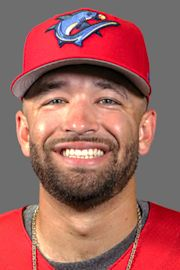
Cole, by contrast, is starting where most baseball lifers actually begin: on back fields, in long bus rides, in roles that rarely make headlines.
It’s a humbler path. And perhaps a more honest one.
Entering coaching isn’t a failure of ambition. It’s often an acknowledgment of clarity—an understanding of where value can still be created, even when personal ceilings become visible.
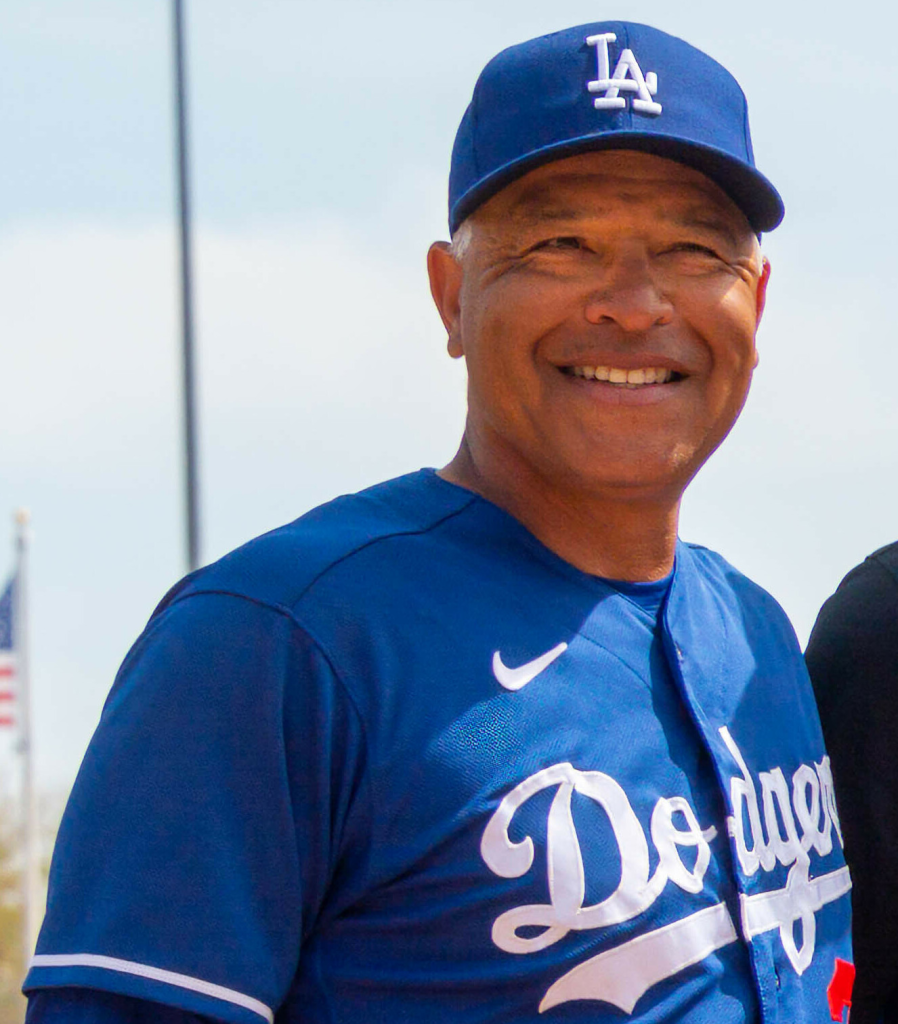
For someone who grew up around big-league clubhouses, Cole Roberts likely understands that better than most.
What’s notable is what isn’t being said.
There’s no suggestion that Cole is following his father’s footsteps out of obligation. No indication of shortcuts or inherited opportunity.
If anything, this move feels like an acceptance that baseball success doesn’t always look like a playing career—and that staying in the game sometimes requires stepping away from the version of it you once chased.
Dave Roberts will continue to manage under intense scrutiny, his decisions dissected nightly. Cole will coach in relative anonymity, teaching, observing, learning.
One career lives in bright light. The other begins in quiet rooms and empty stadiums.
Both paths are real.
And in a sport obsessed with legacy, there’s something quietly compelling about a son choosing not to replicate his father’s rise—but to build something slower, less visible, and entirely his own.
Leave a Reply