The Chicago Bears didn’t expect to be here—at least not this soon.
After a season that ended with an NFC North title and a divisional-round playoff appearance, continuity felt like the unspoken goal at Halas Hall. Instead, the first crack has already appeared.
Offensive coordinator Declan Doyle is gone, departing for Baltimore to take on the same role under new Ravens head coach Jesse Minter, this time with full playcalling authority.
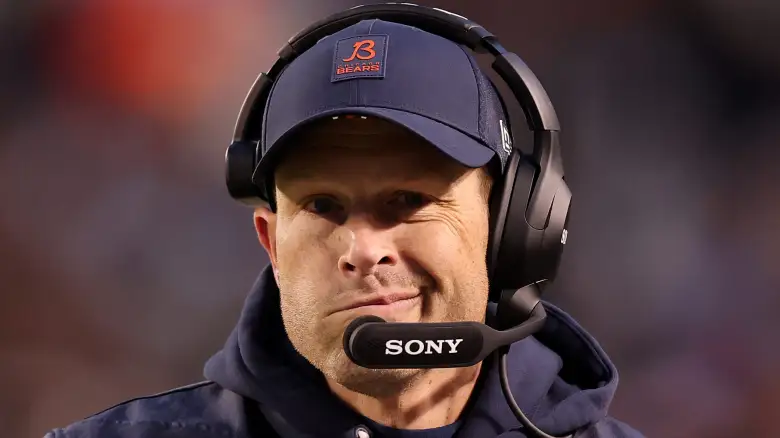
For Bears head coach Ben Johnson, it’s a reminder that success attracts attention—and tests.
Johnson retained full control of the offense in Chicago, which made Doyle’s role quieter than his title suggested. Still, their collaboration worked.
The Bears’ offense surged back to relevance, and Caleb Williams’ second season stabilized after a rocky rookie year. Now, with Doyle gone, Johnson faces his first real staff decision as a head coach.
And the answer may not be forward-looking.
One name quietly gaining traction is Tanner Engstrand, the recently fired New York Jets offensive coordinator. On paper, it’s a curious option.
Engstrand lasted just one season in New York, presiding over an offense that never found rhythm or identity. But context matters—and so does history.
Before the Jets, Engstrand spent years alongside Johnson in Detroit. When Johnson was the Lions’ offensive coordinator, Engstrand served as passing game coordinator, deeply involved in the system that eventually made Johnson one of the league’s most coveted coaching minds. Their partnership wasn’t brief. It was foundational.
Engstrand’s Jets tenure unraveled amid broader dysfunction—injuries, instability, and roster questions that went far beyond play design.
His dismissal may say less about his ability and more about timing. In Chicago, with Johnson calling plays and setting direction, Engstrand wouldn’t be asked to reinvent himself—only to support something he already knows.
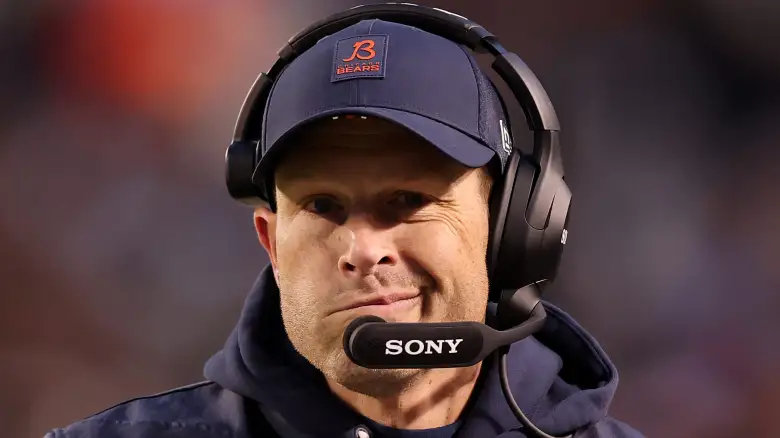
That familiarity carries weight.
Johnson’s first OC hire in Chicago came from the Sean Payton coaching tree, a deliberate choice aimed at blending structure with adaptability.
If Engstrand isn’t the move, Johnson could easily return to that well. Names like Joe Lombardi, once Denver’s offensive coordinator, or quarterbacks coach Davis Webb linger in the background.
Webb, in particular, is in demand and may prefer to stay put, but Johnson has options.
There are also internal paths. Promoting from within would signal confidence in a staff Johnson personally assembled.
Assistant head coach Antwaan Randle El, passing game coordinator Press Taylor, and quarterbacks coach JT Barrett all bring continuity and insight into Caleb Williams’ development. Any of them would represent stability—but not necessarily boldness.
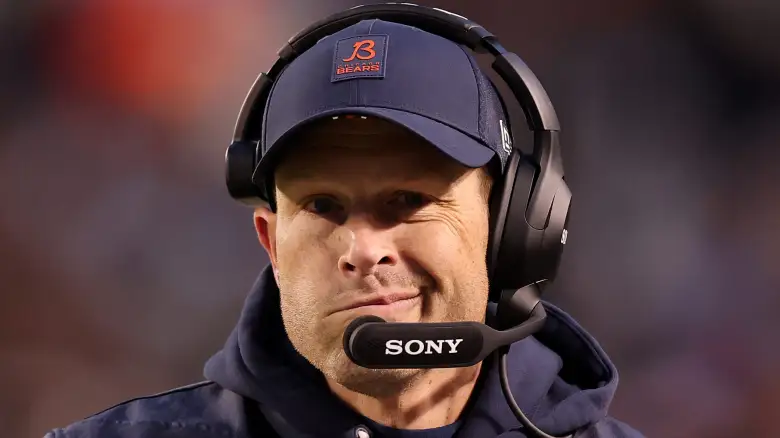
And that’s the tension.
The Bears are no longer rebuilding. Expectations have shifted. Every decision now feels magnified, especially those involving the offense and the quarterback.
Williams showed real growth in 2025, but his development is far from complete.
Whoever steps into the OC role will be tasked less with innovation and more with protection—of rhythm, confidence, and progress.
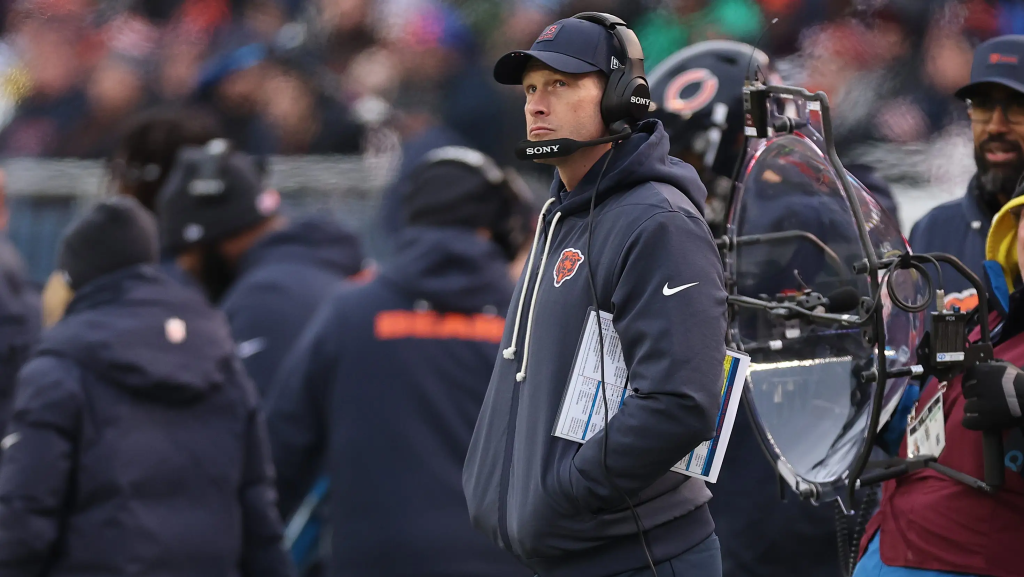
That’s why the idea of reuniting with Engstrand feels quietly logical, even if it doesn’t excite at first glance. It’s a move built on trust rather than optics. On memory rather than momentum.
But trust cuts both ways.
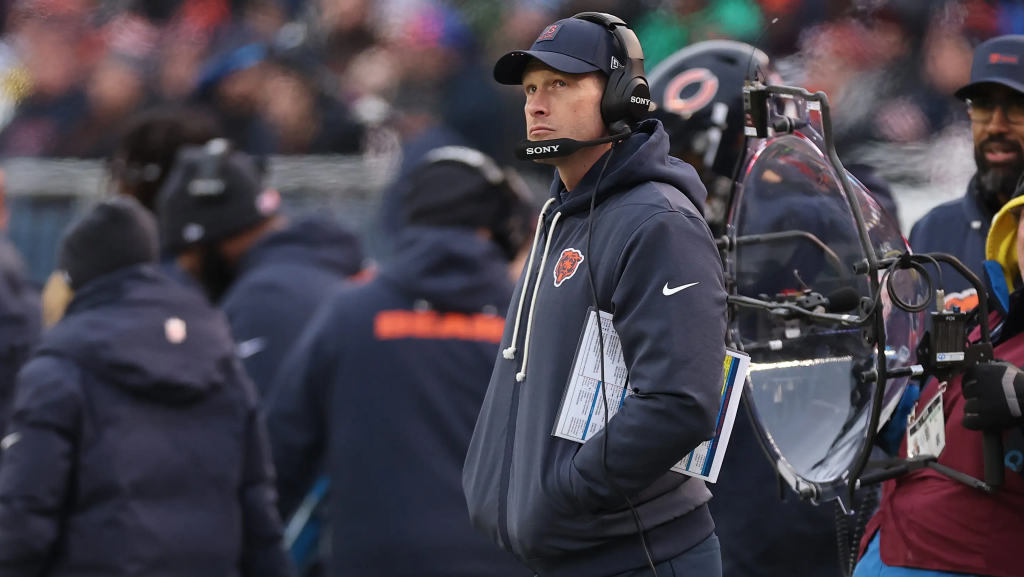
Hiring a coordinator who was just fired elsewhere invites scrutiny, especially in a city newly allergic to regression. Johnson’s credibility gives him room to maneuver—but not forever.
This hire won’t dominate headlines today. It will be judged months from now, in subtle ways: timing routes, third-down efficiency, how calm Williams looks when things break down.
The Bears don’t need flash. They need alignment.
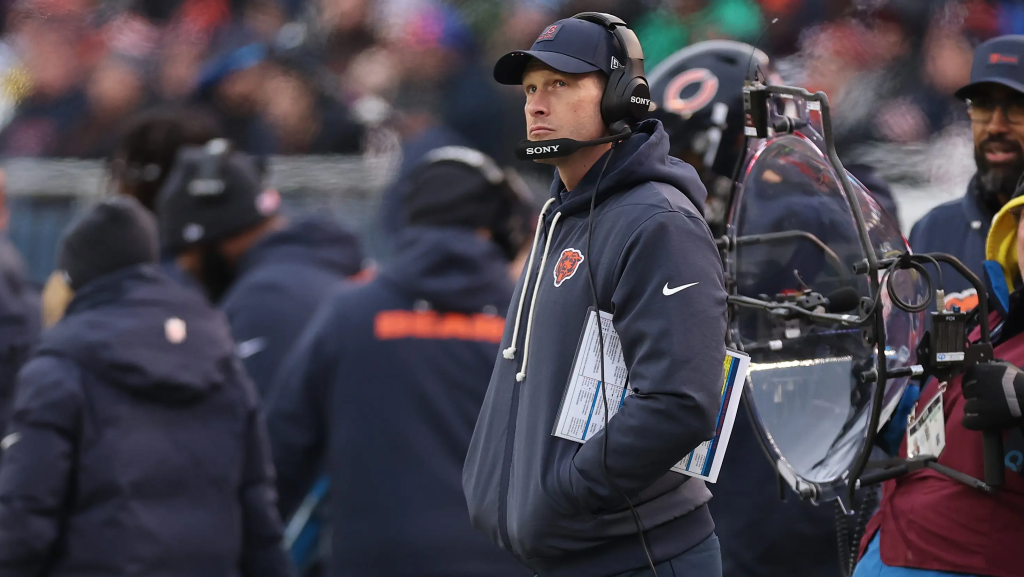
And as Ben Johnson weighs his next move, the question isn’t who looks best on paper—it’s who helps keep the silence intact.
Because in Chicago right now, silence means things are working.
Leave a Reply