Eighteen months ago, he was untouchable. Now he’s under threat.
Martin Ødegaard — Arsenal captain, creative heartbeat, symbol of Mikel Arteta’s rebuild — is suddenly facing the kind of question few imagined: Is it time to leave?
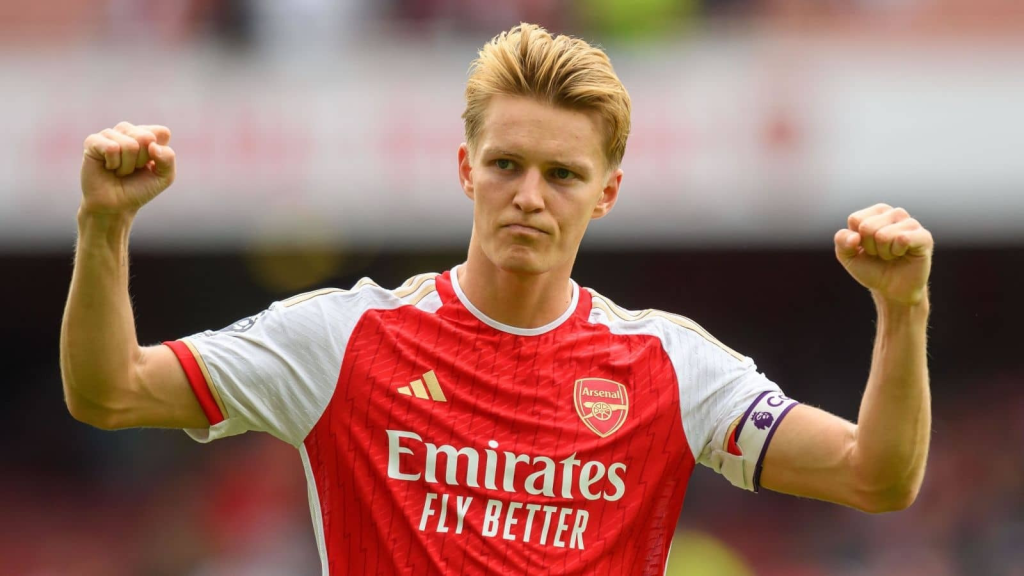
It sounds dramatic. But the debate is no longer hypothetical.
Eberechi Eze’s explosive performance in the 4-1 North London Derby win over Tottenham has shifted the conversation. Two goals. Relentless drive. Vertical attacking threat. A reminder of why Arsenal invested heavily in him.
And perhaps more importantly — a reminder that Ødegaard’s place is no longer guaranteed.
For the first time in years, Arteta has a genuine dilemma in the No.10 role.
Eze offers directness, penetration, and goal threat in tight spaces. Ødegaard offers orchestration, tempo control, and tactical intelligence. Both bring quality. But only one can dominate that central creative zone in high-stakes matches.
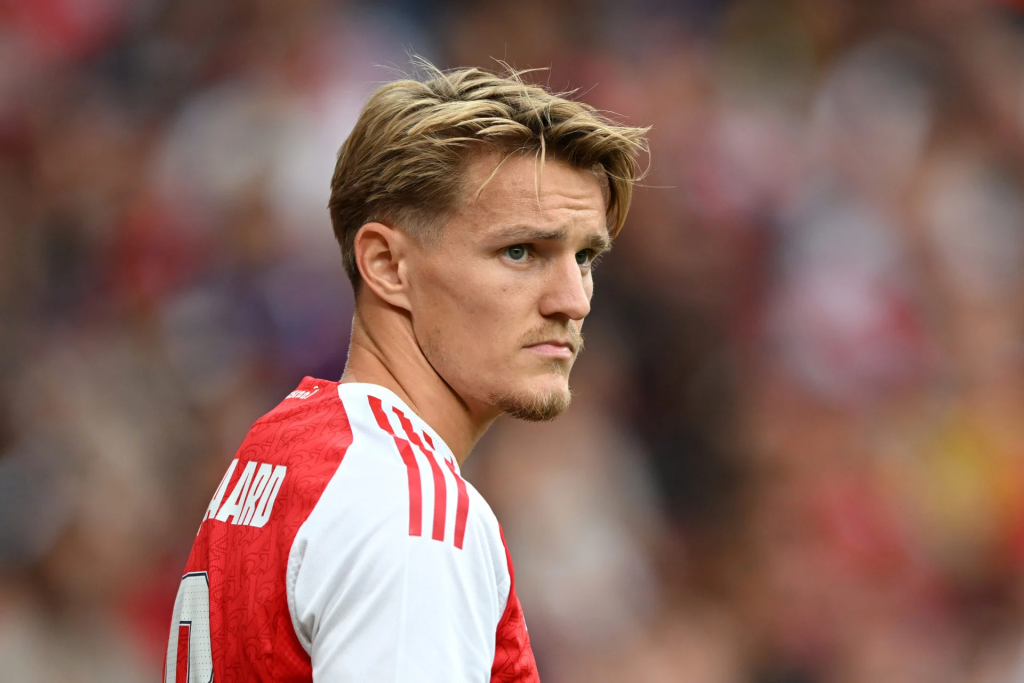
Competition raises standards — but it also raises uncertainty.
Ødegaard has struggled with fitness issues and inconsistent form over the past 18 months. While still influential in phases, he has not consistently dictated matches the way he once did. In contrast, Eze’s rise feels fresh, aggressive, and momentum-driven.
Steve Nicol didn’t sugarcoat his view.
“Odegaard might be leaving Arsenal,” Nicol told ESPN, via Metro. “If you’re Odegaard, the club captain and 18 months ago you were the guy… now there’s question marks over whether he actually starts because of Eze.”
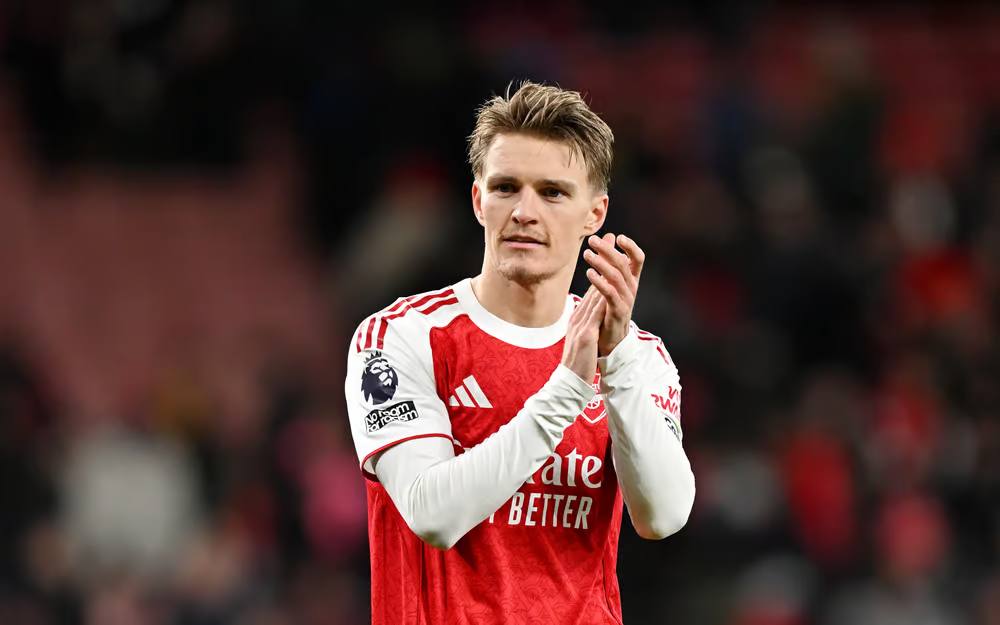
That’s a brutal shift in status.
Nicol went further: “If you’re Martin Odegaard, do you stick around? I don’t think you do.”
But here’s the reality: this is what elite clubs look like.
Depth is not disloyalty. Competition is not exile.
Arteta is building a squad capable of surviving title pressure, European nights, domestic cups, and injury setbacks. Last season exposed how thin Arsenal could look when key figures dipped physically or mentally. Adding Eze wasn’t about replacing Ødegaard — it was about safeguarding standards.
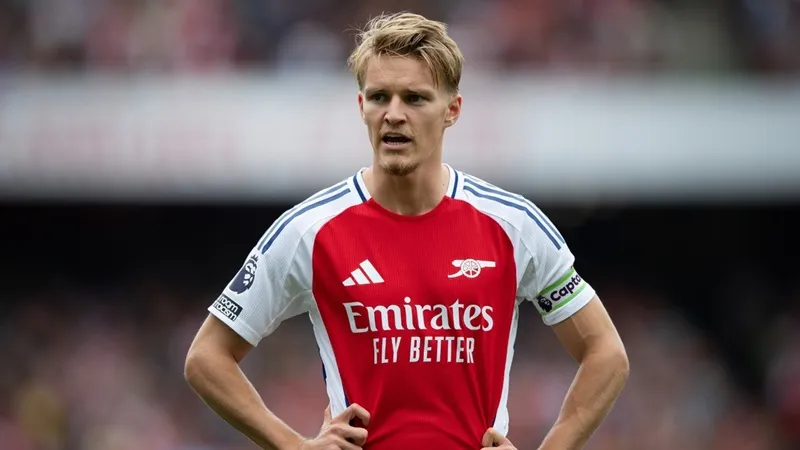
The uncomfortable truth for Ødegaard is this: leadership alone doesn’t guarantee minutes.
At 27, he is in his prime. He needs rhythm. He needs responsibility. He needs to feel central — not rotational. A reduced role over a sustained period would naturally trigger reflection, especially for a captain.
But walking away now would also mean surrendering a battle he’s more than capable of winning.
Ødegaard remains one of the most tactically intelligent midfielders in the league. His ability to manipulate space between the lines and press intelligently fits Arteta’s structure perfectly. Eze’s rise doesn’t erase that — it simply challenges it.
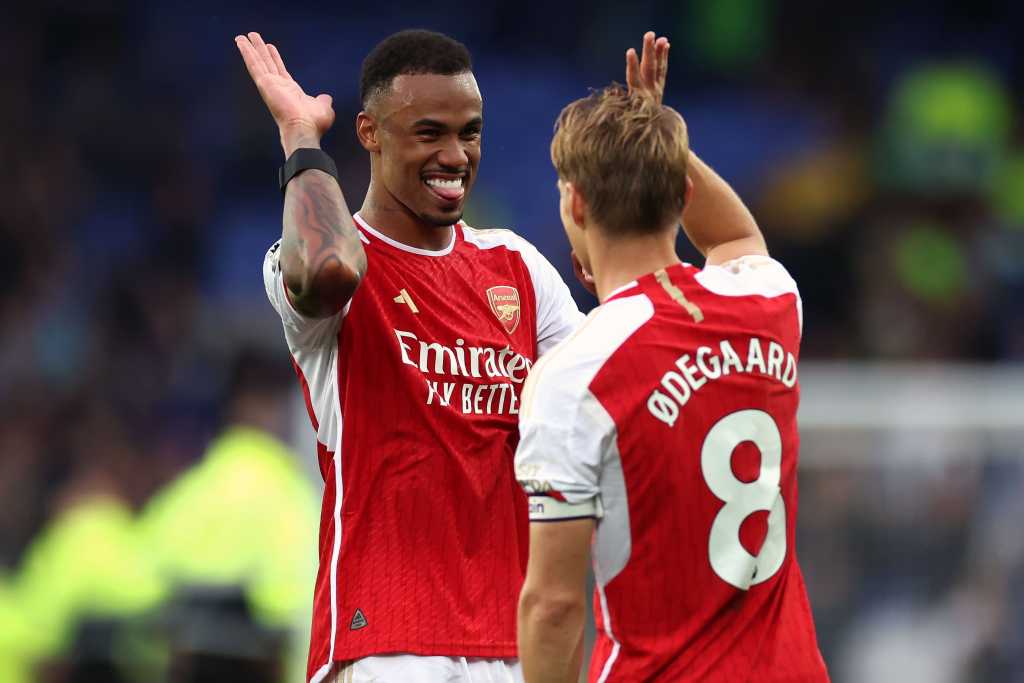
And title-winning sides are forged through internal pressure.
The bigger question isn’t whether Ødegaard should leave.
It’s whether he responds.
If he rediscovers his sharpness, maintains fitness, and reasserts control in big moments, the debate evaporates. If Eze continues to dominate and Arteta reshapes the team around a more vertical attacking model, then the conversation becomes louder.
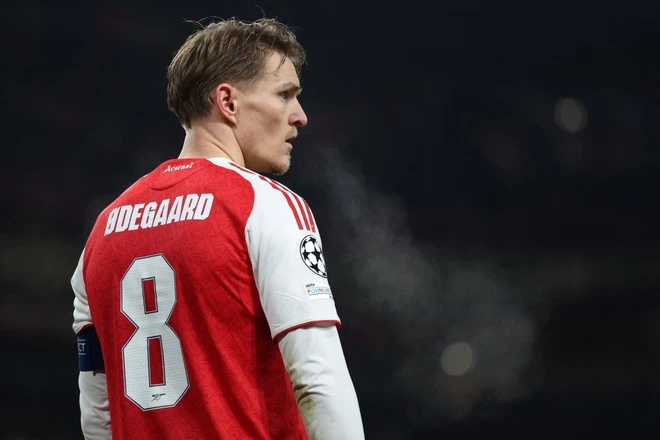
For now, Arsenal have a luxury problem.
Two high-level creators. One shirt. A title race unfolding.
Ødegaard isn’t finished at Arsenal.
But for the first time in a long time, he’s being forced to fight.
And in elite football, that’s when careers are truly defined.
Leave a Reply