The Houston Astros entered the offseason with a clear objective.
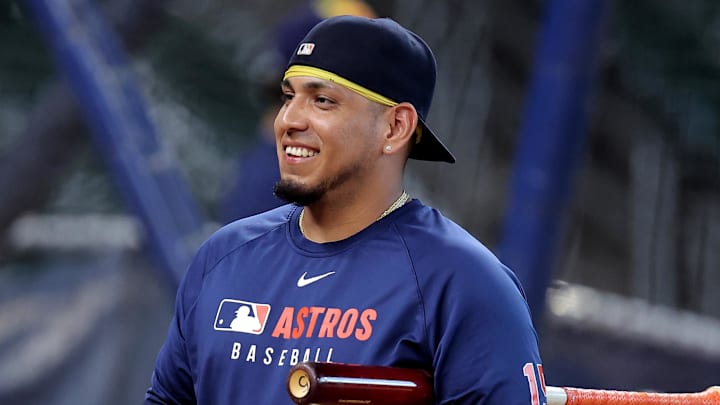
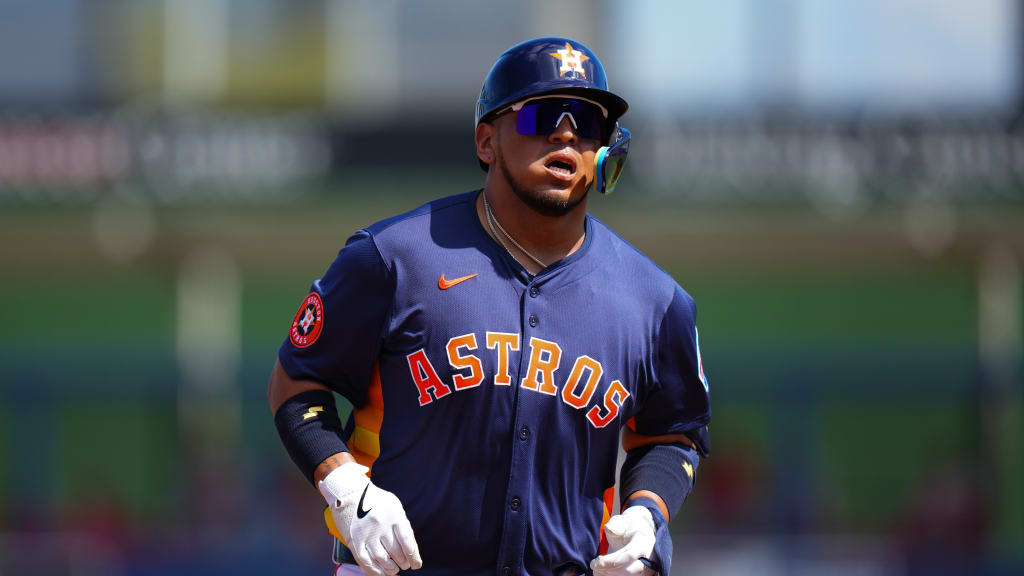
Houston Astros designated hitter Isaac Paredes | Erik Williams-Imagn Images
Get back to October. Fix what slipped. Reassert control.
They made moves. They filled holes. Yet one problem refuses to disappear.
The infield.
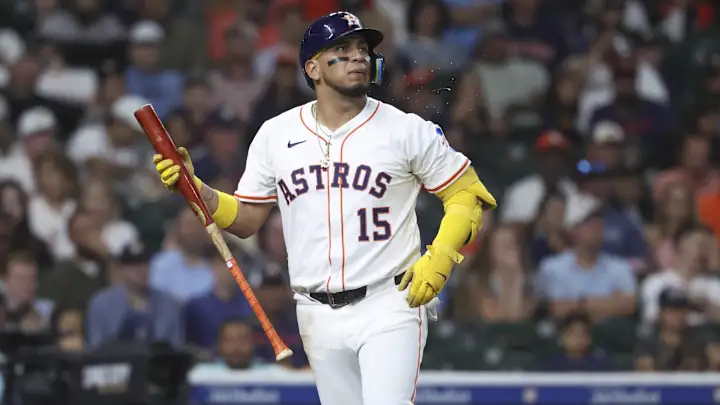
For a stretch in early 2025, Isaac Paredes looked like the solution Houston needed after Alex Bregman’s departure.
The fit made sense. The production followed. Then everything became complicated.
Injuries to key pieces from the Kyle Tucker trade disrupted plans. The deadline created noise. Certainty vanished.
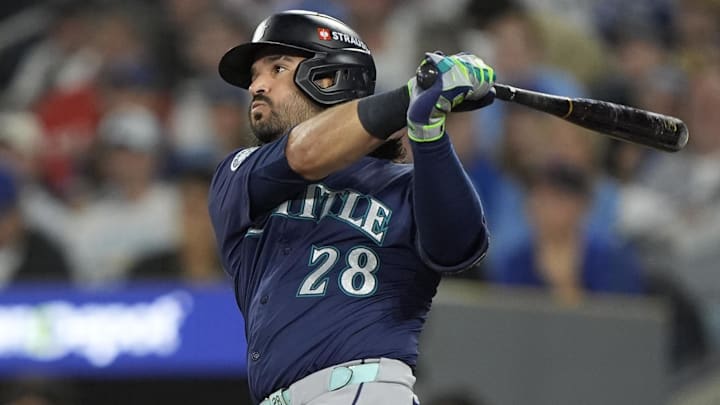
Seattle Mariners third baseman Eugenio Suarez | John E. Sokolowski-Imagn Images
Now, the Astros’ infield looks crowded in a way contenders rarely prefer.
Carlos Correa forced his way back to Houston, invoking his no-trade clause and reclaiming third base.
Jeremy Peña remains entrenched at shortstop.
Jose Altuve returns to second.
Christian Walker occupies first on a contract that effectively removes him from trade consideration.
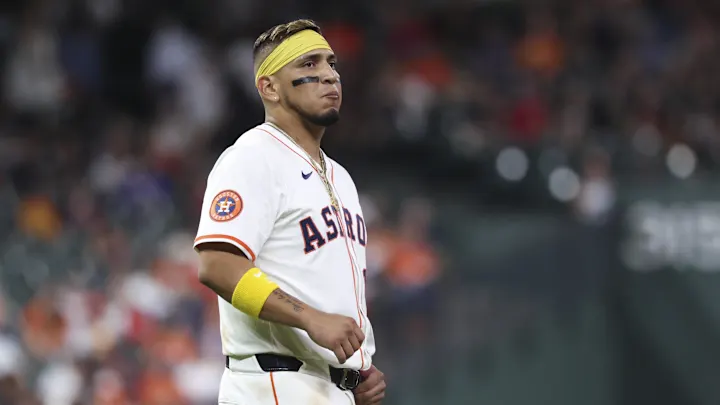
That leaves Paredes.
Too productive to bench. Too blocked to play daily.
Trade speculation followed naturally.
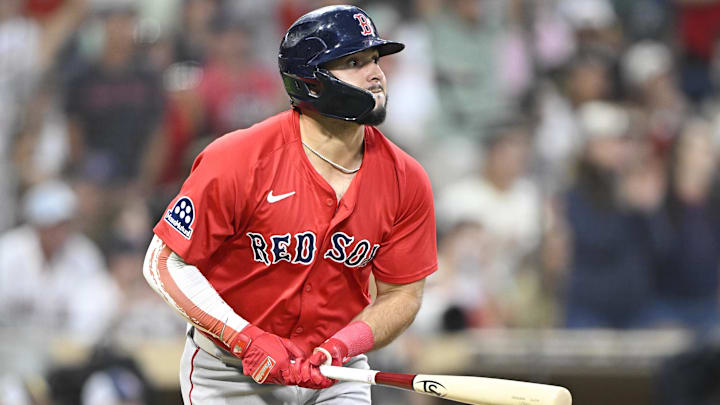
Boston Red Sox right fielder Wilyer Abreu | Denis Poroy-Imagn Images
Boston’s situation only sharpens the focus.
The Red Sox entered the winter searching for power in the infield. Preferably right-handed. Preferably controllable.
That search hasn’t gone smoothly.
Eugenio Suárez came off the board without Boston making a serious push.
Each bat that disappears tightens the market.
Urgency grows quietly.
Boston has something Houston wants.
Outfield depth.
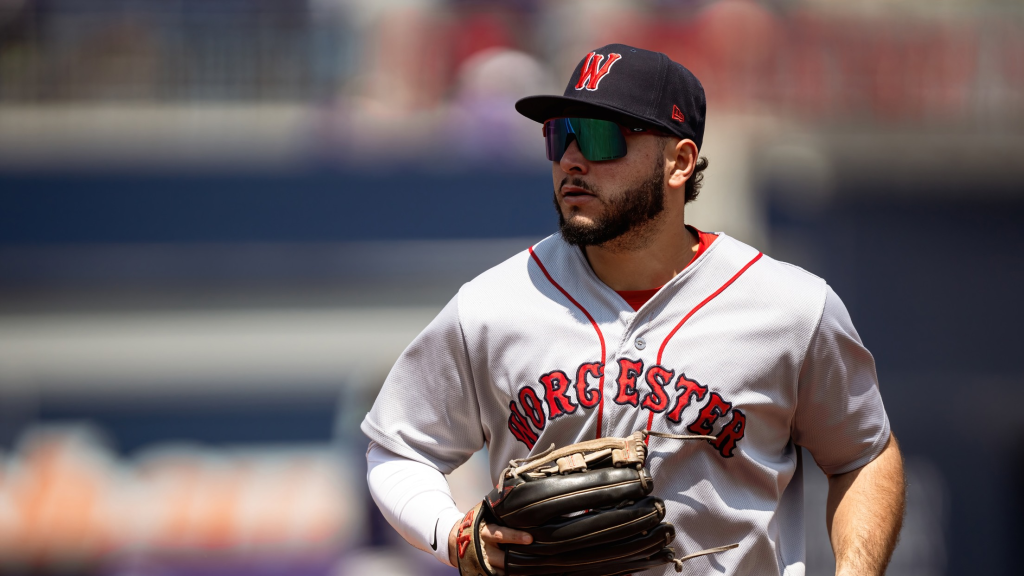
The Red Sox are overloaded with capable outfielders, but the crown jewel is Wilyer Abreu.
At 26, Abreu already owns two Gold Gloves. His defense isn’t theoretical. It’s proven.
Last season, he paired that glove with real offensive growth.
In just 115 games, Abreu produced 3.2 bWAR, slugged 22 home runs, and drove in 69 runs.
The profile is appealing.
For Houston, Abreu offers something Paredes cannot.
Defensive certainty in the outfield.
For Boston, Paredes offers something Abreu doesn’t.
Infield power tailored to Fenway Park.
Paredes’ pull-heavy approach fits the Green Monster perfectly. It’s a natural match.
That symmetry fuels speculation.
A one-for-one swap is rare. Clean trades rarely survive negotiation.
But sometimes needs align too clearly to ignore.
Houston solves a lineup logjam without sacrificing production.
Boston addresses its most glaring weakness without touching pitching depth.
The questions lie in valuation.
Does Abreu’s elite defense outweigh Paredes’ infield power?
Does Houston value certainty in the outfield more than stability at third base?
Does Boston believe Abreu’s bat has peaked — or that it’s still climbing?
No deal is imminent. No framework confirmed.
But spring training changes timelines.
Roster spots solidify. Roles narrow. Pressure builds.
Contending teams hate unresolved questions once games start counting.
Houston can’t afford to let Paredes idle.
Boston can’t afford to miss another opportunity.
Sometimes trades don’t explode into existence.
They form slowly. Quietly. From mutual discomfort.
As spring approaches, both the Astros and Red Sox appear to be running out of room.
And when two teams share the same problem from opposite directions, movement usually follows.
The only question is whether this time, it happens before the season forces their hand.
Leave a Reply