How can a player with 2,400+ hits, 600+ stolen bases, elite defense, and nearly 70 WAR still be outside Cooperstown?
For Kenny Lofton, the question isn’t rhetorical anymore — it’s a challenge to baseball itself.
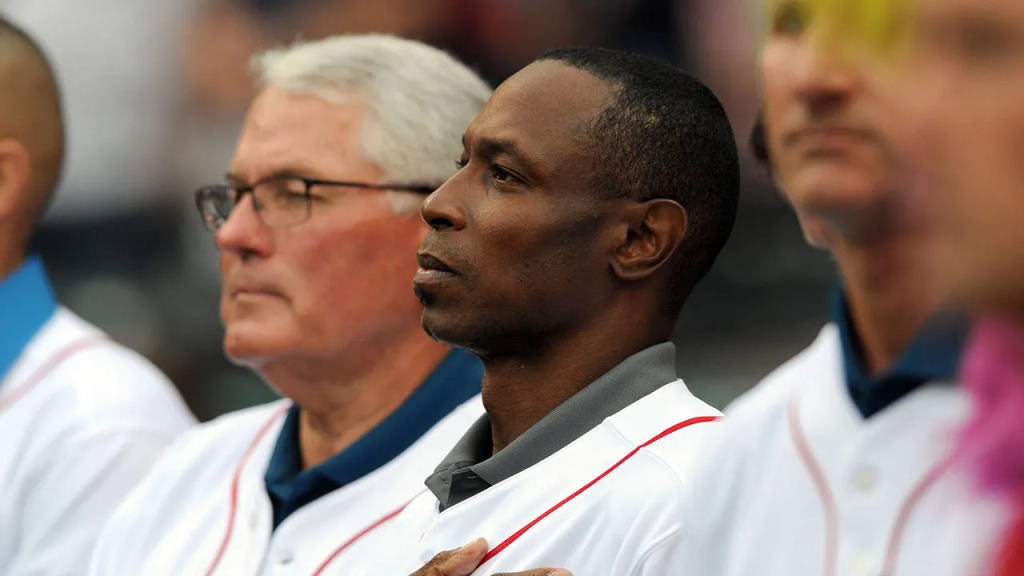
Kenny Lofton’s Hall of Fame Case Is Getting Harder to Ignore — And Baseball Has Few Answers Left
Every year the Hall of Fame announcement arrives with celebration.
New legends are immortalized. Careers are honored. Baseball history grows.
But for Kenny Lofton, the announcement has become something else entirely.
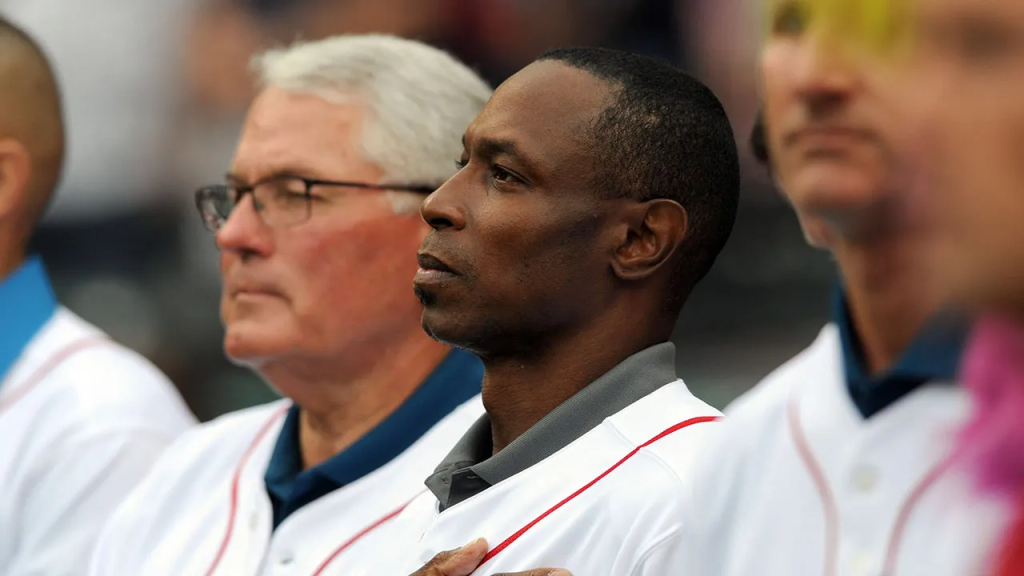
A reminder that one of the most dynamic players of the 1990s and early 2000s still hasn’t received the recognition many believe he earned.
And this time, Lofton isn’t hiding how he feels about it.
“I didn’t get credit for what I did,” Lofton said bluntly. “It’s kinda sad. I still don’t get credit.”
The words carry weight because they come from a player whose résumé is no longer open to interpretation.
The numbers are clear.
The impact is undeniable.
And yet the Hall of Fame door remains closed.

A Hall of Fame Résumé Hiding in Plain Sight
Lofton’s career statistics read like the résumé of a player who should already have a plaque in Cooperstown.
He finished his career with:
- 2,428 hits
- 622 stolen bases
- 68.4 WAR (Wins Above Replacement)
- Six All-Star selections
- Four Gold Gloves
Those numbers place him among the most productive center fielders in modern baseball history.
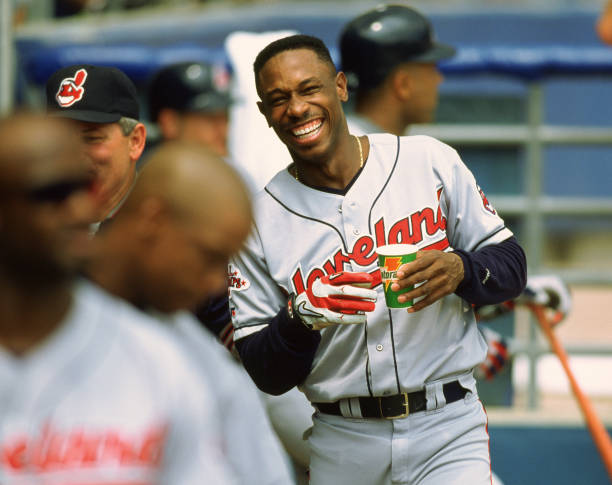
By the advanced metric JAWS, which measures both career value and peak performance, Lofton ranks 10th among all center fielders ever.
Almost every player ahead of him is already in the Hall of Fame — except active stars like Mike Trout or still-eligible players such as Carlos Beltrán.
That isn’t nostalgia.
That’s statistical reality.
“All I’m asking,” Lofton said, “is for people to look at my numbers.”
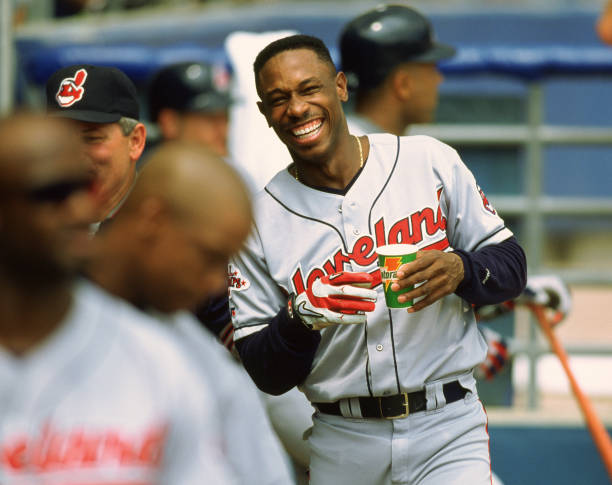
The Problem With Being a “Table-Setter”
Part of Lofton’s Hall of Fame challenge lies in the way he played the game.
He wasn’t a middle-of-the-order slugger launching 40 home runs.
He was something different.
A leadoff catalyst.
A player who got on base, stole second, disrupted defenses, and turned small advantages into big opportunities.
He described his role perfectly:
“Others were eating. I was serving the food.”
That might be the most accurate explanation of why his greatness was overlooked.
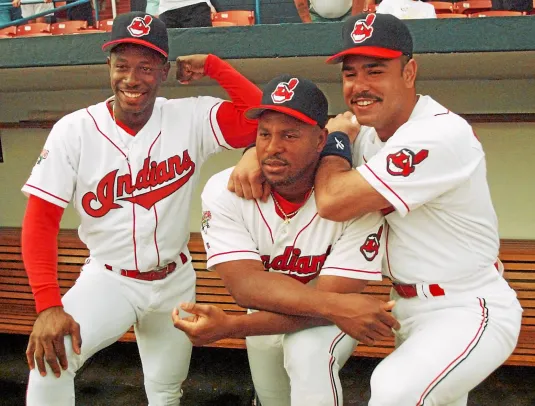
Lofton’s impact didn’t always appear in traditional statistics.
But opponents felt it every time he reached base.
The Respect of His Peers
Within the game itself, Lofton’s value was never questioned.
Hall of Famer Barry Larkin once told him he was the most dangerous player at his position during that era.
Former teammate David Justice revealed that in one postseason matchup, the entire strategy revolved around one objective:
Don’t let Kenny Lofton reach base.
Because once he did, chaos followed.
Pitchers rushed.
Catchers panicked.
Defenses shifted.
And suddenly the entire game changed.
That kind of influence rarely shows up in box scores — but teammates and opponents knew exactly what it meant.
The Ballot That Changed Everything
Lofton’s Hall of Fame path took a dramatic turn in 2013, his first year on the ballot.
That year’s ballot was one of the most crowded in baseball history, filled with stars from the steroid era and numerous high-profile candidates.
The result?
Lofton received less than 5% of the vote, which immediately removed him from the writers’ ballot.
Just like that, his candidacy disappeared.
It wasn’t a long debate.
It wasn’t years of reconsideration.
It was one year.
And then it was over.
The Ichiro Comparison Adds Fuel to the Debate
Lofton has made it clear that he respects Ichiro Suzuki, who was recently elected to the Hall of Fame.
But the comparison between their careers has intensified the discussion.
Lofton actually holds advantages in several statistical categories.
His 68.4 WAR exceeds Ichiro’s 60.0.
He averaged more stolen bases per season and scored more runs per year.
Ichiro holds clear advantages in batting average and total hits.
But the overlap between the two careers raises a serious question:
If Ichiro is unquestionably a Hall of Famer — which he is — how far away is Lofton really?
For many analysts, the gap simply doesn’t make sense.
The Emotional Weight of Being Overlooked
What makes Lofton’s comments especially powerful is the emotion behind them.
At one point he admitted that the Hall of Fame debate has made him question something deeper.
Whether he played the game the “right way” at all.
For a player who built his career around team success, defense, speed, and consistency, that doubt cuts deeply.
Especially for fans who watched him transform games in Cleveland during the franchise’s most exciting era.
To them, the idea that Lofton’s greatness could be forgotten feels almost impossible.
The Final Path to Cooperstown
Lofton’s Hall of Fame hopes are not entirely gone.
He can still be elected through the Era Committees, smaller panels that reconsider overlooked players.
But those committees meet infrequently, and the competition for attention remains intense.
The evidence for Lofton’s case already exists.
The numbers.
The rankings.
The testimony from players who competed against him.
What remains missing is a simple decision.
Until that happens, Kenny Lofton’s Hall of Fame candidacy will continue to stand as one of baseball’s most puzzling oversights.
Because at some point, the question stops being about Lofton.
And becomes about the Hall of Fame itself.
Leave a Reply