Mark McGwire has returned to where it all began.
Not as a slugger stepping into the batter’s box, nor under the bright lights of World Series nights. This time, McGwire returns to the Oakland Athletics—or rather, their current West Sacramento counterpart—as a special assistant to player development, a title that sounds quiet but carries many layers of meaning.
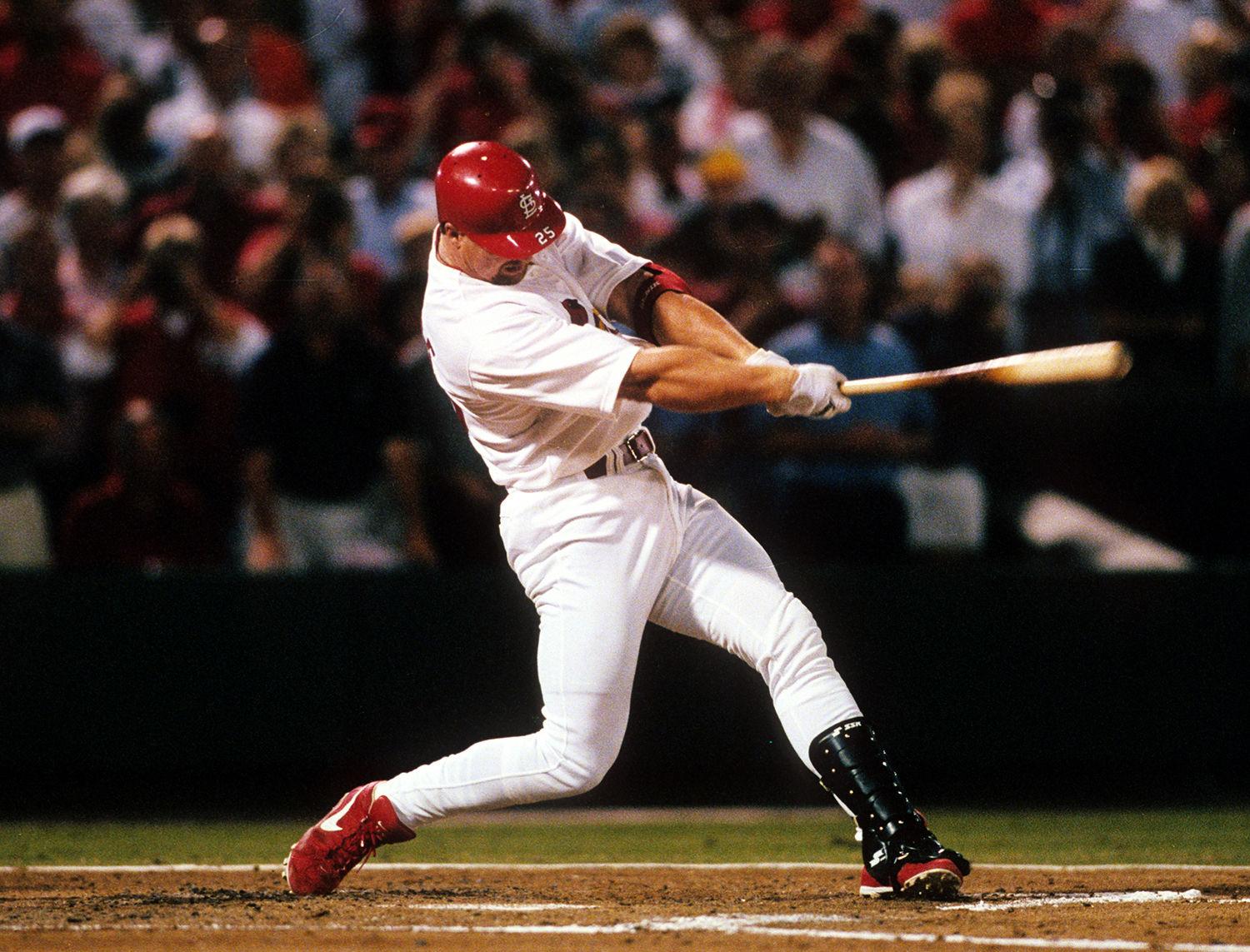
For the A’s, it’s a reconnection with history. For McGwire, it’s a new chapter in a relationship that never truly ended.
McGwire spent 12 seasons with the Athletics, becoming an icon of the golden age of the late 1980s. Rookie of the Year in 1987 with 49 home runs—a number once considered unimaginable for a rookie—then three consecutive World Series appearances from 1988–90, culminating in the 1989 championship when the Athletics swept the Giants in the Battle of the Bay. Those were the years when McGwire’s name was synonymous with strength, confidence, and a franchise that dared to dream big.
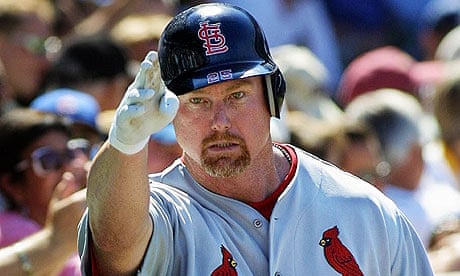
The Athletics honored him by inducting him into their Hall of Fame in 2019. But this return is more than just nostalgia.
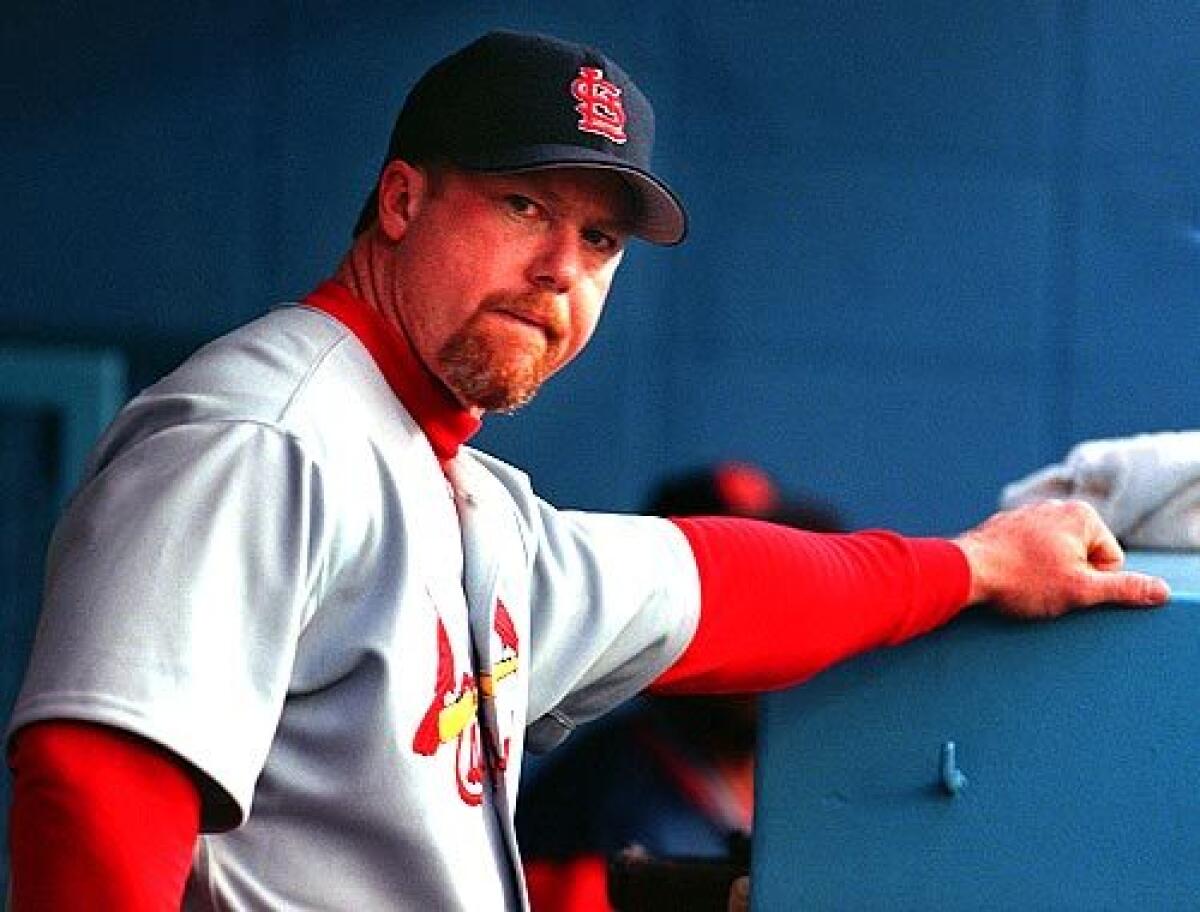
Because McGwire is not a “clean” legend in the collective memory of American baseball. After being traded to St. Louis in 1997, he entered the most famous—and also most controversial—phase of his career. In the 1998 season, his home run record-breaking run with Sammy Sosa salvaged MLB’s image after the strike, bringing baseball back to the center of popular culture. But over time, that era was overshadowed by the steroid scandal, which kept McGwire—despite his undeniable achievements—outside the Cooperstown Hall of Fame.
A’s understands that. Fans understand that too.
And that’s why the decision to bring McGwire back at this time carries more weight than just a simple player development role. This isn’t a celebratory gesture, but a deliberate choice: to accept history in full, not just the glory.
After retiring, McGwire didn’t disappear from baseball. He worked as a hitting coach for the Cardinals and Dodgers, a bench coach for the Padres, and behind the scenes with young hitters—a low-key but highly regarded role. A’s didn’t bring him back to retell the past; They brought him back to impart their experience in top-level batting, during a period when the organization was looking to rebuild its identity before moving to Las Vegas.

The context was also unique. The Athletics were in their second season at a Triple-A arena in West Sacramento, awaiting their move to the $2 billion stadium in Las Vegas in 2028. The franchise was in limbo: no more Oakland, no more Vegas, and a need for both mental and professional support for the young players.
McGwire, with all the complexity of his legacy, strangely fit into that period.

The question wasn’t whether McGwire “deserved” a return. The question was: what were the Athletics trying to teach the young players about history, responsibility, and the path forward? When you don’t shy away from the past, you are forced to confront it—and can learn from it.
Mark McGwire’s return was quiet. But it was precisely that silence that made it noteworthy. In an organization preparing for another transformation, A’s chose to look directly at itself—and invited an old icon, with all its light and shadow, into the meeting room.
And perhaps, that was the most important blow.
Leave a Reply