The Milwaukee Brewers have just done their familiar thing again: sold a star, secured their future, and continued to claim they… never rebuilt.
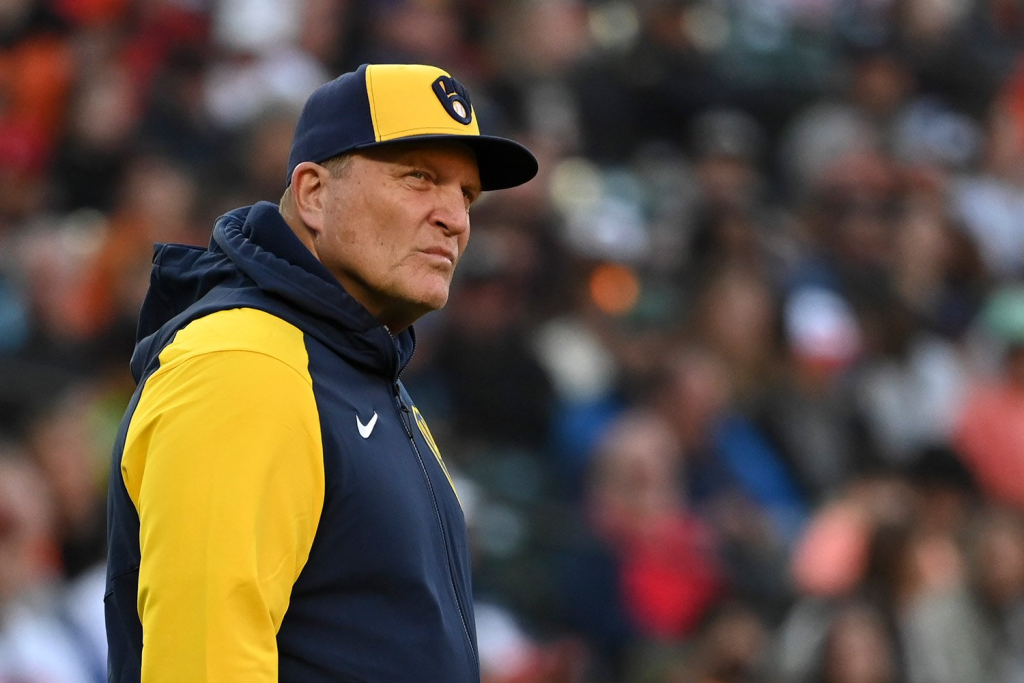
Freddy Peralta is gone. Before that, Corbin Burns. Then Devin Williams. The list of once-mainstays who were “sacrificed at the right time” is growing longer. For most MLB fanbases, this is a familiar formula for a lost season. But for the Brewers, it has become the reason why 2026 is both believable… and questionable.
Because the question is no longer “Will the Brewers rebuild?”
But rather: “How much longer can they avoid it?”
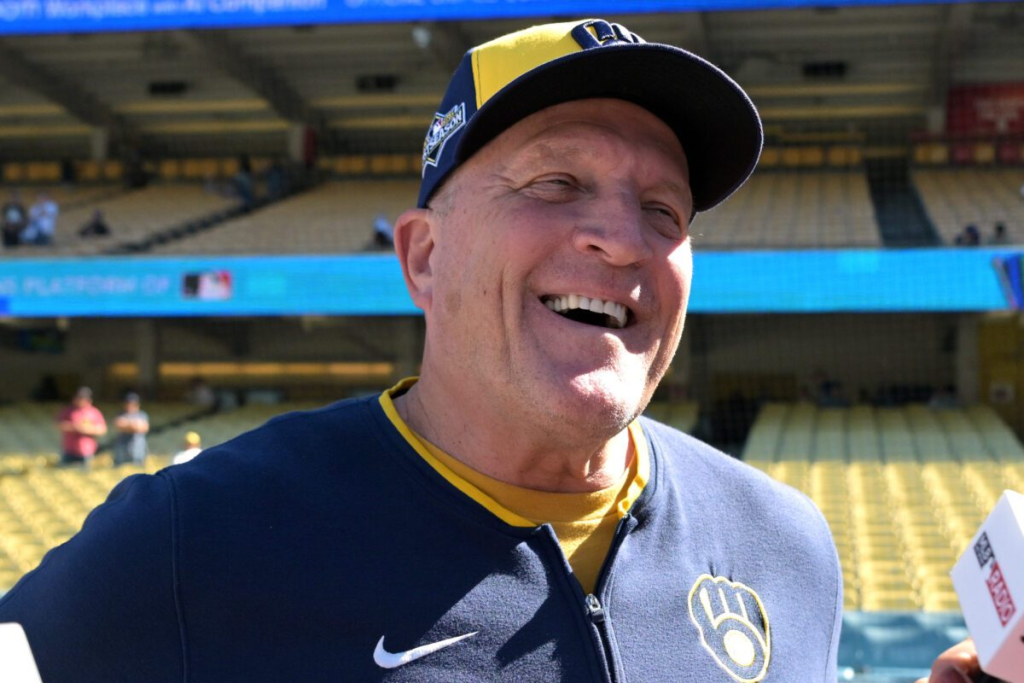
Since 2017, Milwaukee has almost never played a truly “meaningless” season. Even in 2022 — the only season they missed the playoffs since 2018 — the Brewers stayed close to the Wild Card race until the final series, finishing just one win behind the Phillies. For a team in the smallest market segment of MLB, this is more than just a success. It’s a systemic challenge.
Matt Arnold and the Brewers’ management have turned “bites of the apple” into a philosophy of life. No all-in. No tearing down and rebuilding. Just continuously trading current value for long-term control, then using that time to patch the roster and continue competing.
But 2026 smells different.
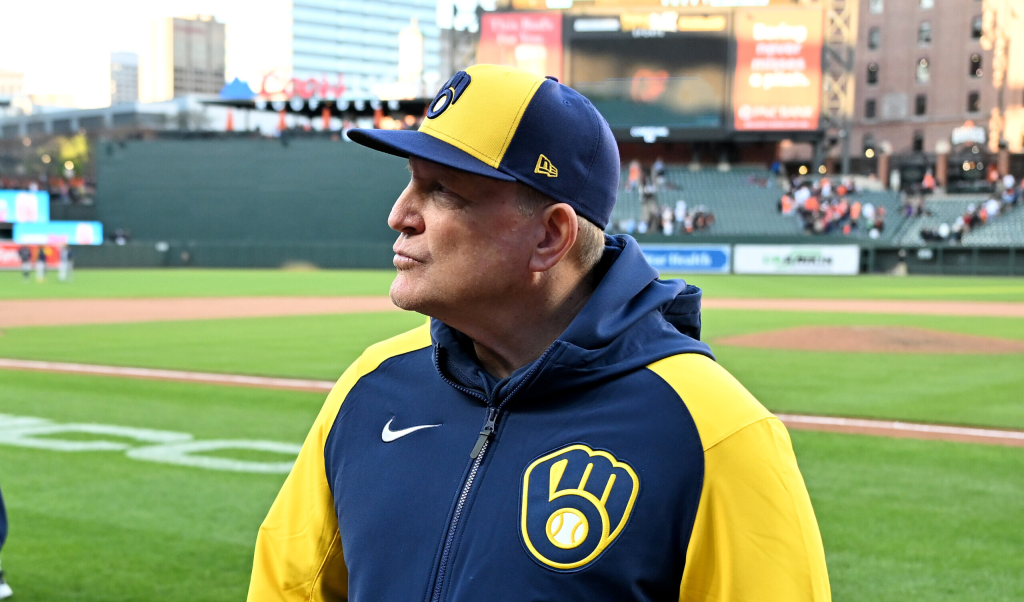
Peralta isn’t just a good pitcher. He’s the psychological anchor of the rotation. Losing him leaves the Brewers entering the season with more questions than usual. Brandon Woodruff has a history of injuries. Jacob Misiorowski has upside potential but hasn’t proven consistency. The options behind him are all “possible,” not “reliable.”
And that’s why the strongest reason to believe this season isn’t wasted lies in a paradox:
👉 The Brewers have never truly believed in the concept of a “lost year.”
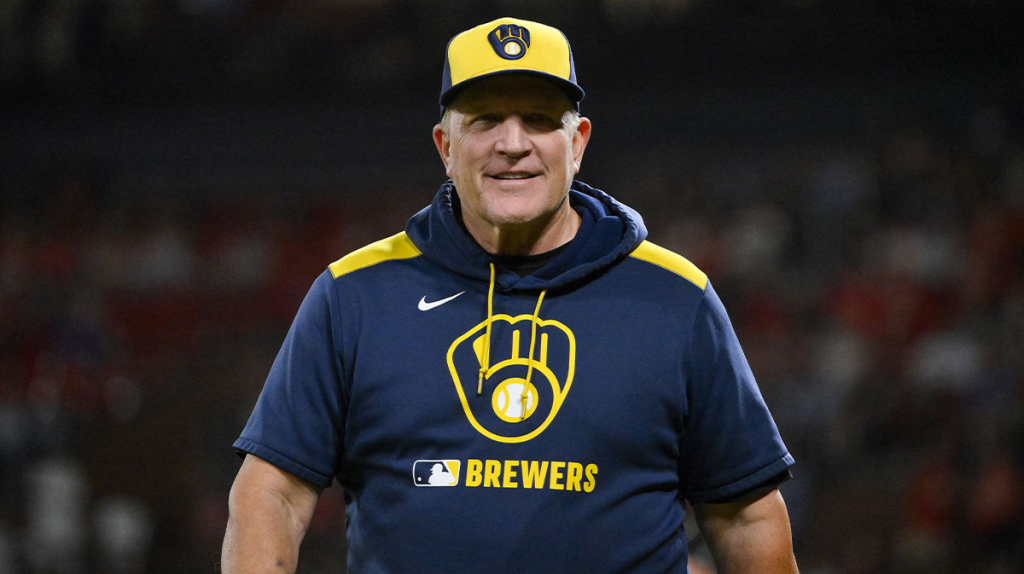
They’re not building a team like someone waiting around. They’re building as an organization that believes every season counts. Even with a lower performance ceiling, the Brewers are aiming to compete—not out of blind optimism, but because they understand that the NL Central rarely demands a super-team to win.
The Cubs are inconsistent. The Cardinals are restructuring. The Pirates haven’t proven themselves. The Reds… are still the Reds. In that context, the Brewers just need to be good enough, not perfect.
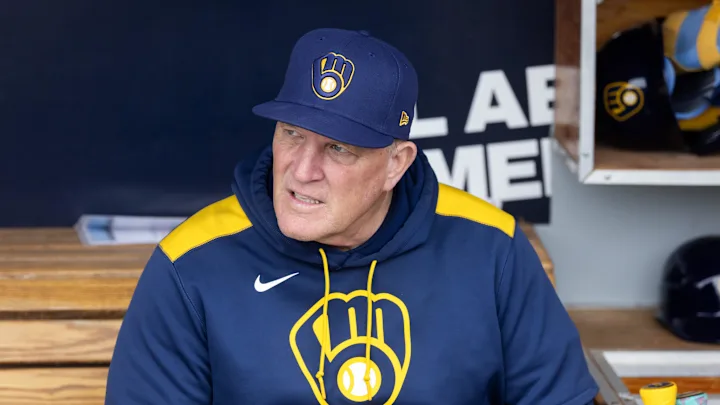
What makes 2026 “doubtful” isn’t that the Brewers are weak. It’s that they’re walking a tightrope for too long. Every time they sell a star player, they win in surplus value. But baseball isn’t just math. At some point, the locker room needs more than players “learning to be key players.”
If 2026 misses the playoffs early, it could be the first season Milwaukee fans truly have to ask themselves: has the magic run its course?
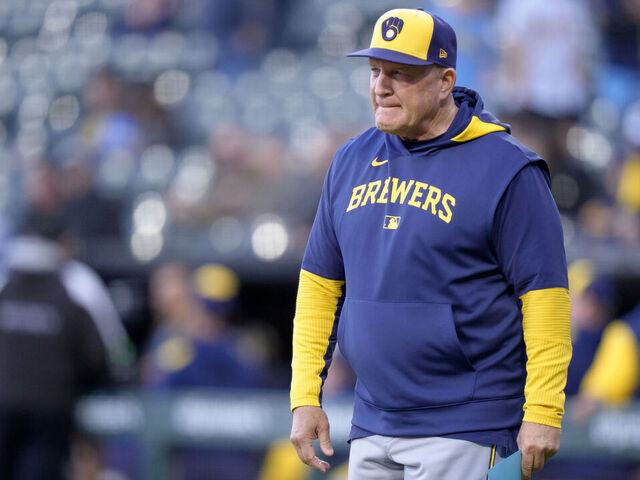
But if they manage to squeeze through the narrow gap again, in September with a glimmer of hope—however faint—the Brewers will continue to prove that rebuilding isn’t an inevitable fate.
2026, therefore, isn’t a “meaningless” season. It’s a season to test the limits of a philosophy. And that’s the reason to believe—or doubt—that the Brewers aren’t ready to collapse yet.
Leave a Reply