Another coordinator opening came and went — and once again, Al Harris wasn’t the one who got the call.
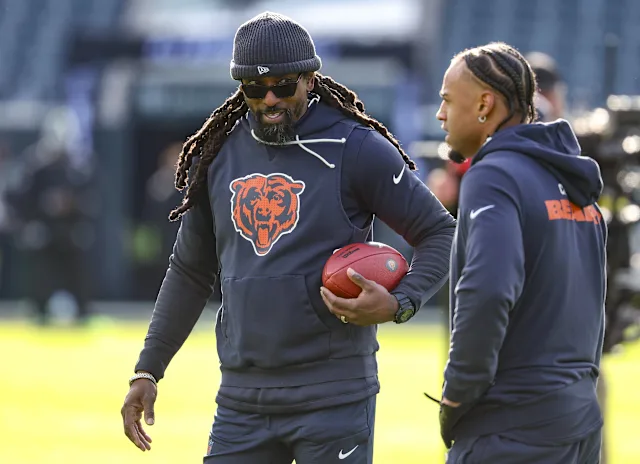
The Chicago Bears’ defensive backs coach saw a familiar opportunity slip through his fingers when Washington filled its defensive coordinator vacancy with Vikings assistant Daronté Jones.
On paper, the Commanders made a logical choice: Jones comes from the Brian Flores coaching tree, has coordinator experience in Minnesota, and fits the league’s growing preference for schematic continuity.
Still, the decision stung.
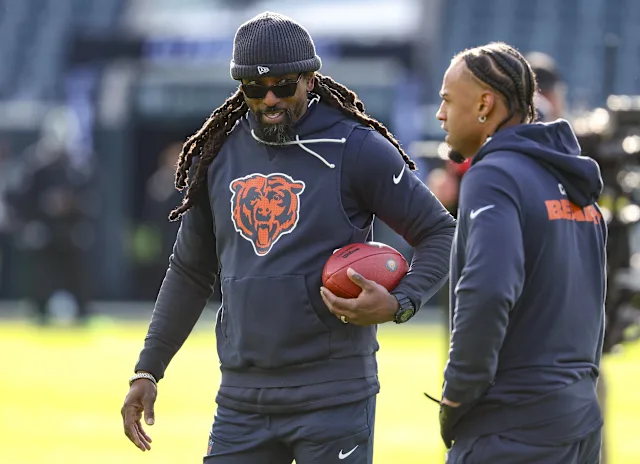
Washington appeared to be a natural landing spot for Harris. He had direct ties to head coach Dan Quinn from their shared time in Dallas, where Harris coached defensive backs under Quinn’s leadership. The interview happened. The connection was there. The outcome wasn’t.
It wasn’t the first time.
Earlier in the offseason, Harris lost out on the Packers’ defensive coordinator role — a particularly ironic twist for a franchise that once enshrined him in its Hall of Fame for his playing career. That job went to Jonathan Gannon instead, another reminder that familiarity doesn’t guarantee advancement.
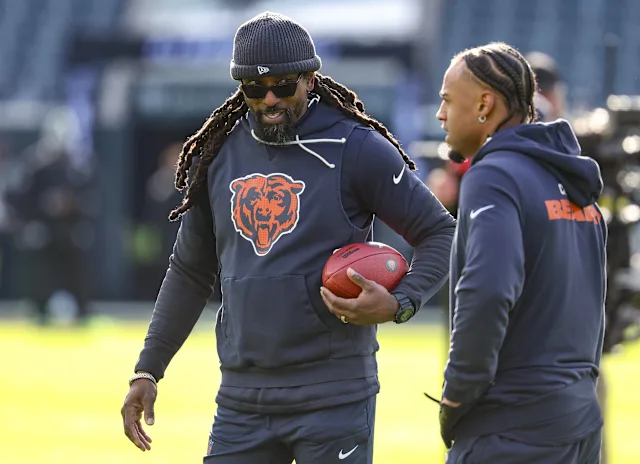
So the pattern continues: interest, interviews, praise — and then silence.
What makes Harris’ situation uncomfortable to ignore is the résumé behind it.
In Dallas, his defensive backfields led the NFL in interceptions over a four-year stretch. In his first season with the Bears, Chicago finished with the league’s most interceptions again. Individual players under his watch didn’t just improve — they peaked. Trevon Diggs. DaRon Bland. Kevin Byard. All-Pro seasons. League-leading production.
And yet, the league remains hesitant.
Some of that hesitation is understandable. Harris hasn’t called plays as a full defensive coordinator. Teams weighing coordinator hires often default to experience, especially when installing a first-year quarterback or rebuilding a defense. The risk tolerance is low.
But that explanation only goes so far.
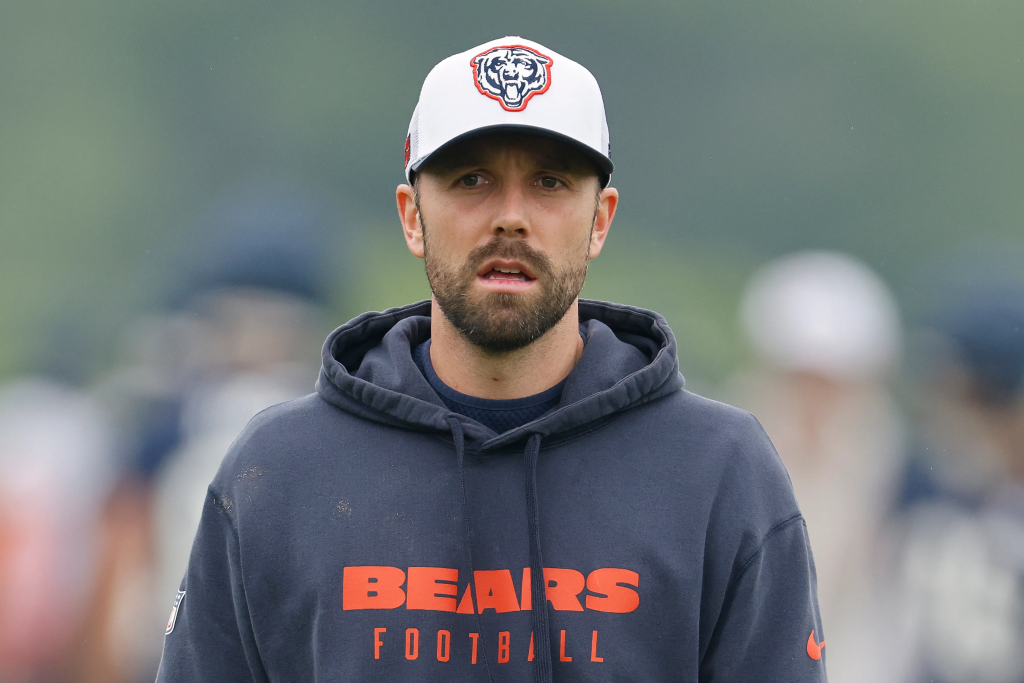
The Titans remain a possible option. Harris is scheduled to interview for their defensive coordinator role, though expectations are tempered. With Robert Saleh taking over as head coach — a defensive specialist himself — the position may not carry play-calling authority. It’s an opportunity, but not the one Harris has been chasing.
There’s also noise around Pittsburgh. Fans have floated Harris’ name aggressively, citing his history with Mike McCarthy as both player and coach. But so far, there’s been no confirmation of an interview. Instead, names with prior coordinator experience — like Patrick Graham — continue to surface.
This is where the tension sharpens.
The NFL constantly preaches development. It praises teachers. It celebrates player growth. Harris checks all those boxes. He’s taken practice squad players and turned them into Pro Bowlers. He’s navigated injury chaos and reshuffled secondaries without collapse. He’s been a constant amid instability.
And yet, when it’s time to reward that development with opportunity, the door stays half-closed.
From Chicago’s perspective, losing Harris would hurt. His fingerprints are all over the Bears’ defensive backfield, particularly during a season ravaged by injuries. His work with Nahshon Wright alone reshaped a career trajectory few saw coming.
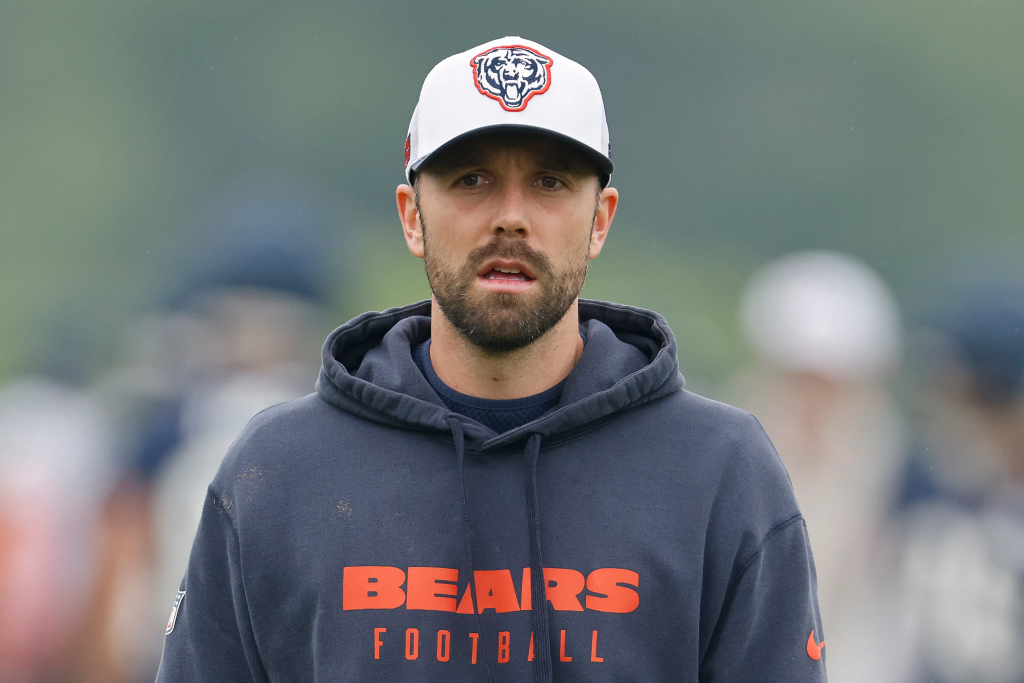
But for Harris, staying put may be the safest option — not the most deserved.
Another cycle. Another interview. Another near-miss.
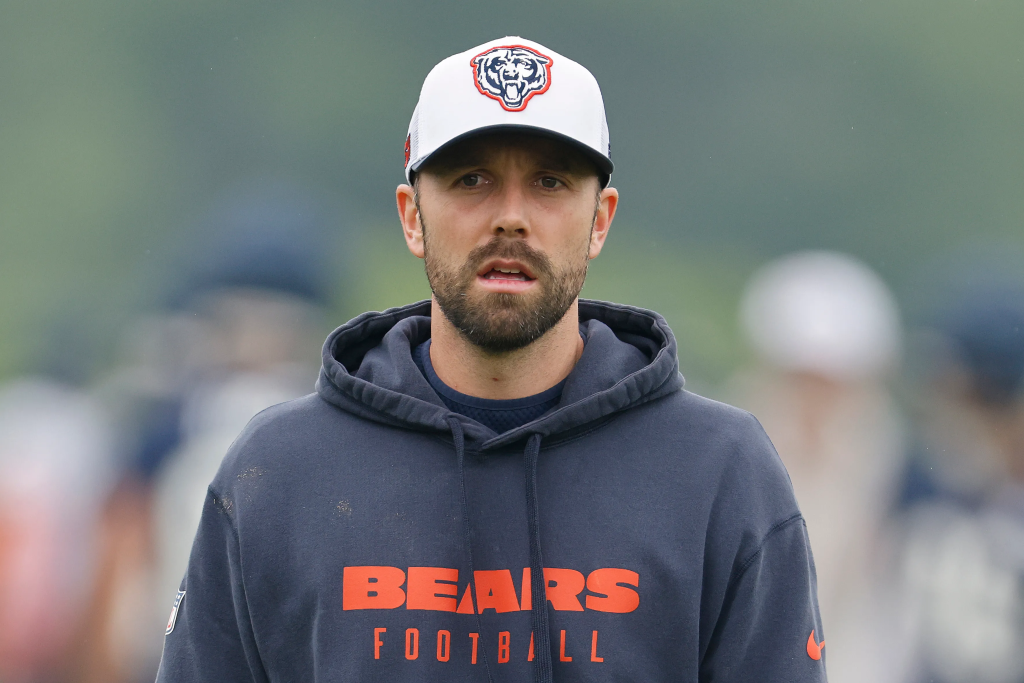
At some point, the question stops being whether Al Harris is ready.
It becomes why the league keeps acting like he isn’t.
Leave a Reply