Shohei Ohtani has already changed how baseball views the MVP race.
Now a new question is emerging across the league: could he also change the way the Cy Young Award is judged?
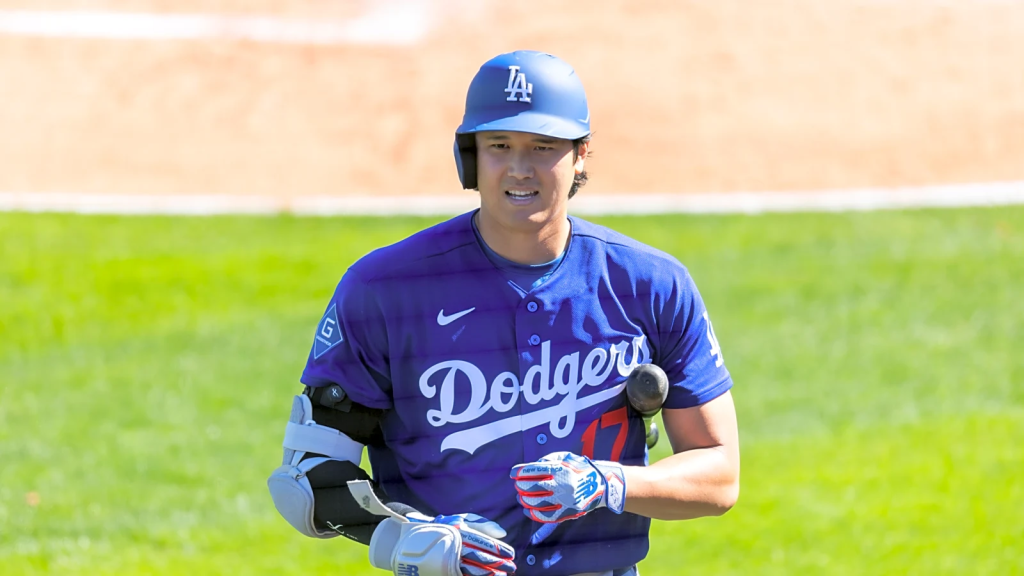
Could Shohei Ohtani Change the Way Cy Young Winners Are Evaluated?
Whenever Shohei Ohtani enters an awards discussion, the conversation usually begins — and ends — with one phrase.
Most Valuable Player.
Over the past several seasons, Ohtani’s unique ability to dominate both at the plate and on the mound has made him the automatic centerpiece of MVP debates. Winning three straight MVP awards, the Los Angeles Dodgers superstar has redefined what “value” looks like in Major League Baseball.
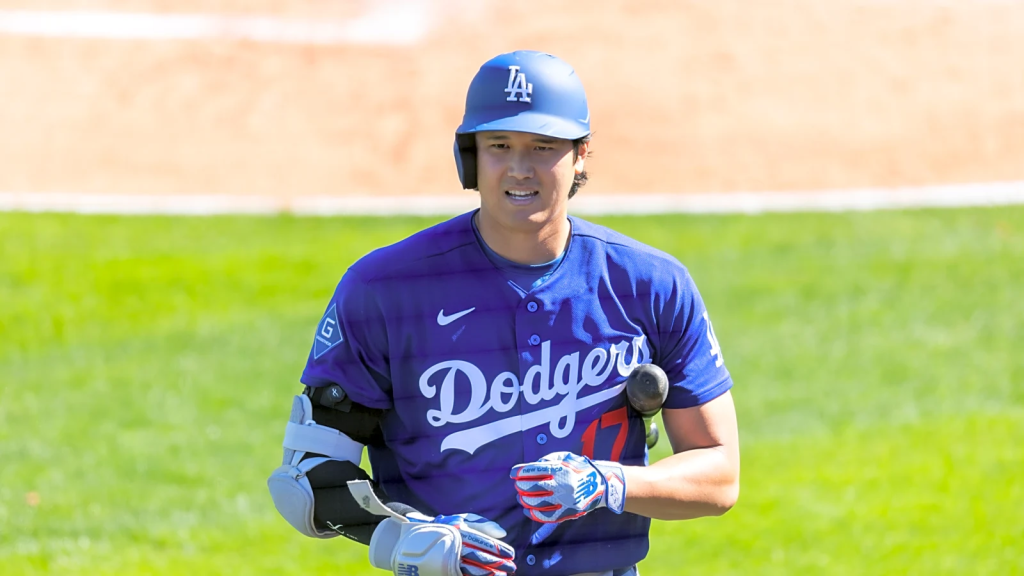
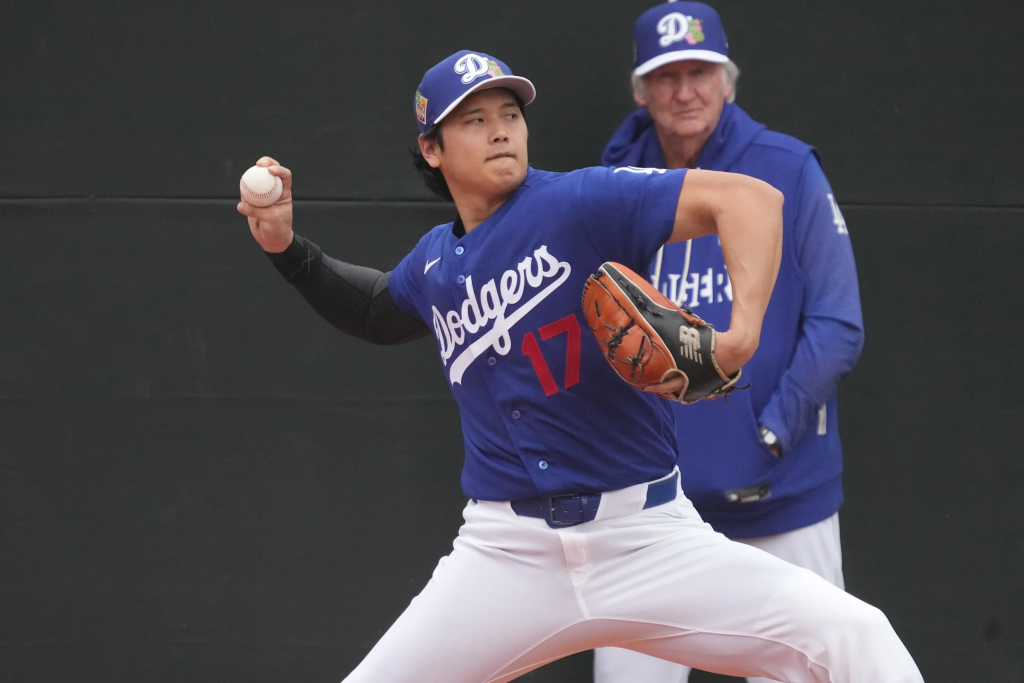
But as Ohtani prepares to return to pitching in 2026 after more than a year away from the mound, another fascinating debate is starting to take shape.
Could Ohtani’s presence eventually force voters to rethink the Cy Young Award itself?
The Pitching Numbers That Already Demand Attention
Before injuries temporarily paused his pitching career, Ohtani had already established himself as one of the most dominant arms in baseball.
During the 2022 season, Ohtani threw 166 innings with an incredible 2.33 ERA while striking out 219 batters.
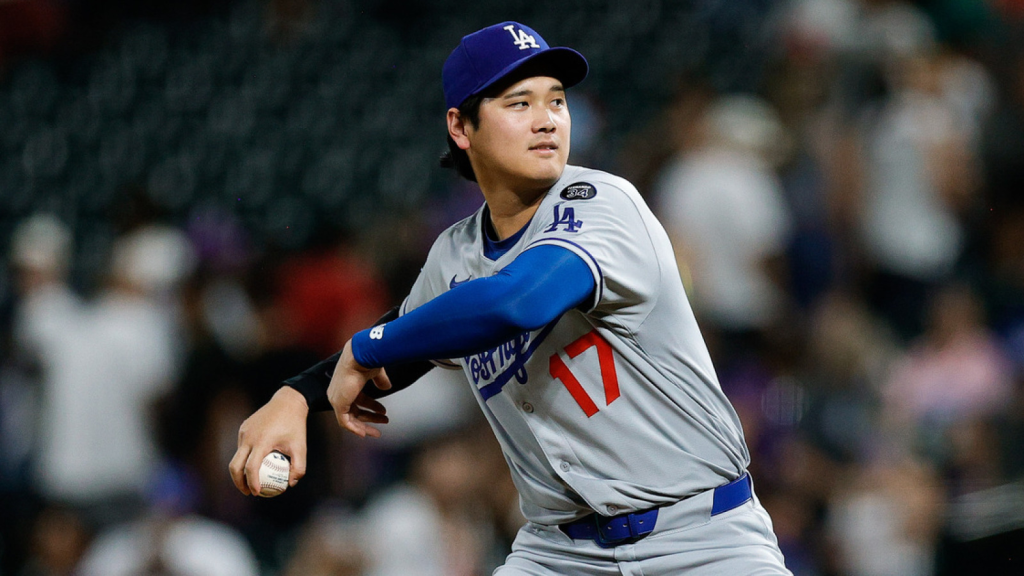
That works out to 12 strikeouts per nine innings, placing him among the most overpowering starters in the league.
He followed that performance with another impressive campaign in 2023, recording 167 strikeouts across 132 innings while posting a 3.14 ERA before injuries shortened his pitching season.
Those numbers alone would normally put a pitcher squarely in Cy Young contention.
But Ohtani’s case is anything but normal.
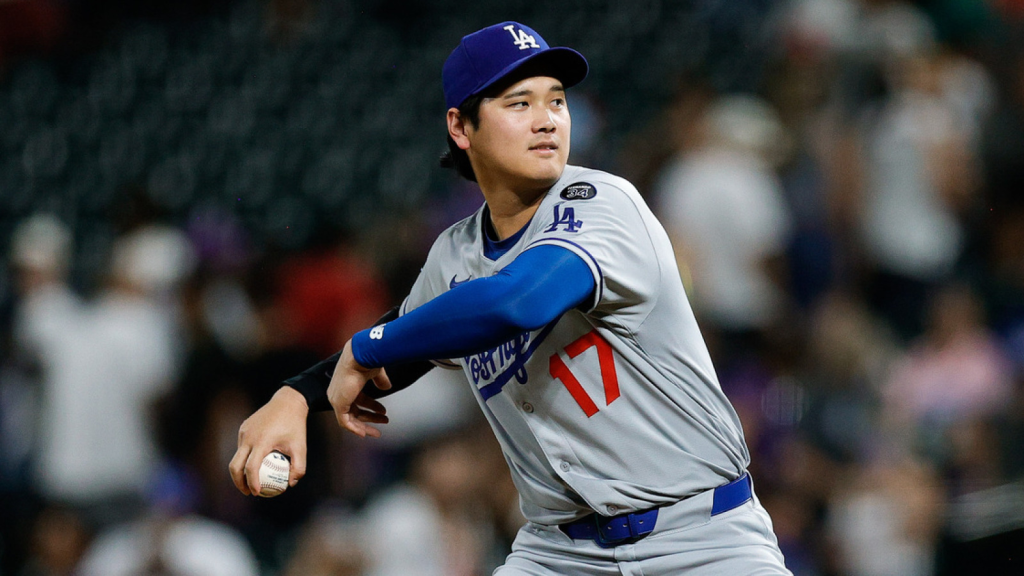
The Unprecedented Twist: His Bat
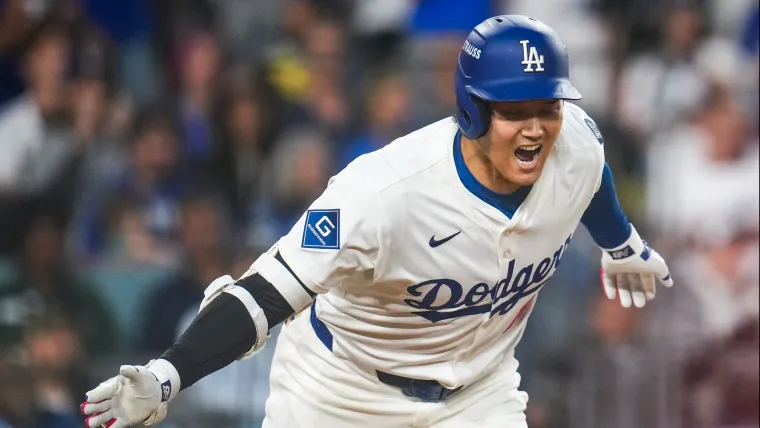
While dominating on the mound, Ohtani was also terrorizing pitchers across the league.
In 2023, he crushed 44 home runs while producing a stunning .654 slugging percentage.
The season before that, he launched 34 home runs and posted an .875 OPS.
In other words, while pitching like a frontline ace, Ohtani was also performing like one of baseball’s most dangerous power hitters.
That combination has forced fans and analysts to ask an unusual question.
If two pitchers produce similar numbers on the mound, but one of them also hits 40 home runs, should that additional impact matter in Cy Young voting?
The Traditional View of the Cy Young Award
Historically, the Cy Young Award has always been judged strictly by pitching performance.
Voters focus on metrics such as:
- ERA
- Strikeouts
- Innings pitched
- Wins and overall dominance on the mound
Everything that happens with the bat is typically ignored in that conversation.
And in most seasons, that approach makes perfect sense.
Pitchers are evaluated based on how effectively they prevent runs — not how well they hit.
But Shohei Ohtani challenges that long-standing framework.
Why Ohtani Is Different From Previous Cy Young–MVP Winners
Several pitchers in MLB history have won both the Cy Young Award and the MVP Award in the same season.
The list includes legendary names like:
- Sandy Koufax (1963)
- Bob Gibson (1968)
- Roger Clemens
- Justin Verlander
- Clayton Kershaw
However, those awards were earned purely because of their dominance on the mound.
None of them were also elite offensive players.
That’s where Ohtani creates a completely new scenario.
If he were to produce a season where he ranks among the best pitchers in baseball while also hitting 35–40 home runs, voters may find themselves confronting an unprecedented situation.
Should Offense Matter in a Pitching Award?
Some analysts argue that the Cy Young should remain strictly about pitching.
After all, the award was designed to honor excellence on the mound alone.
Others believe Ohtani’s unique impact cannot be separated so easily.
If two pitchers deliver similar ERAs and strikeout totals, but one of them also contributes massively with the bat, it could be argued that his overall season carries greater historical significance.
Not because his hitting improves his pitching performance — but because it adds another extraordinary layer to the accomplishment.
A New Era of Baseball Thinking?
Shohei Ohtani has already forced voters to rethink how value is measured in the MVP race.
For decades, MVP debates were dominated by traditional hitters. Ohtani shattered that logic by proving that a two-way superstar could redefine the concept of value entirely.
Now, with his return to pitching expected in 2026, the Cy Young discussion may face a similar evolution.
Whether voters eventually adjust their thinking remains uncertain.
But one thing is already clear.
When Shohei Ohtani steps onto the mound, he isn’t just competing with other pitchers.
He’s challenging the way baseball measures greatness itself.
Leave a Reply