One missing player. One massive creative void. And suddenly Arsenal’s Champions League ambitions are under serious scrutiny.
Arsenal’s Creative Crisis Exposed — The Two Brutal Reasons Martin Ødegaard’s Absence Is Hurting Arteta’s Team
Arsenal’s Champions League campaign has finally encountered its first real warning sign.
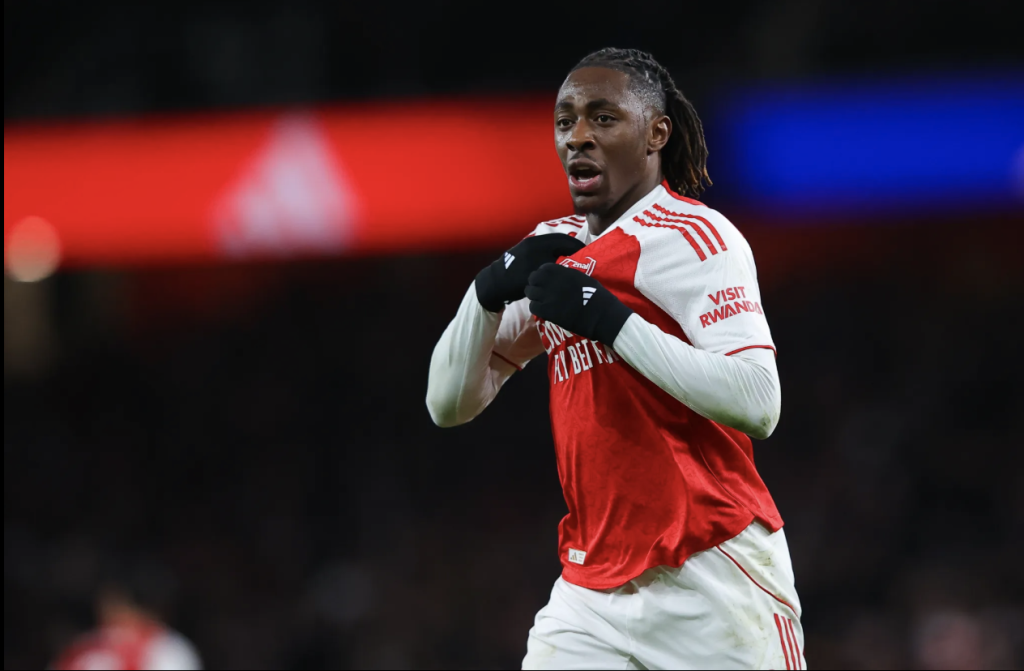
The 1–1 draw against Bayer Leverkusen in the Round of 16 first leg was not just a difficult night for the Gunners — it exposed a problem that has quietly been building inside Mikel Arteta’s team.
And according to analysts and tactical data, the issue is becoming impossible to ignore.
The absence of club captain Martin Ødegaard has left a glaring creative hole in Arsenal’s attack — and the numbers reveal exactly how significant that loss truly is.
As the Gunners prepare for the decisive second leg at the Emirates, two major factors explain why the Norwegian playmaker’s absence has suddenly become one of the most important stories of Arsenal’s season.
A Reality Check in Germany
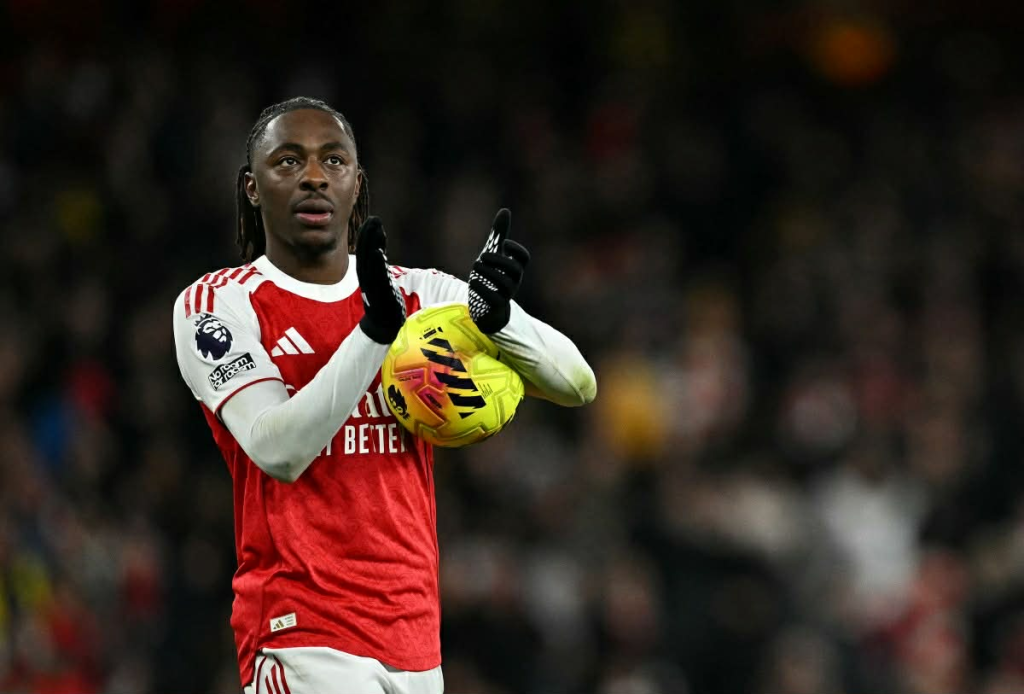
Heading into the clash at the BayArena, Arsenal had been enjoying a near-perfect Champions League campaign.
But Bayer Leverkusen delivered a reminder that knockout football offers no guarantees.
Despite dominating possession for large spells of the match, Arsenal struggled to convert control into real attacking threat.
There were flashes of danger.
Gabriel Martinelli struck the crossbar with a powerful effort. Jurrien Timber narrowly missed with a late header that could have stolen victory.
Yet overall, the Gunners looked blunt.
Even Viktor Gyökeres, Arsenal’s central striker, finished the match without a single shot.
For a team competing at the highest level of European football, that statistic alone raised eyebrows.

But a deeper tactical breakdown revealed something even more concerning.
The “Ødegaard Hole” in Arsenal’s Attack
Shortly after the match, analysts began sharing Arsenal’s pass map in the final third.
What immediately stood out was a massive empty space in one of the most dangerous areas of the pitch.
Right at the edge of the penalty area — the creative zone where attacking midfielders typically operate — there was almost nothing.
Few passes.
Minimal link-up play.
Almost no central penetration.
To many observers, the visual told a clear story.
That empty space looked exactly like the missing presence of Martin Ødegaard.
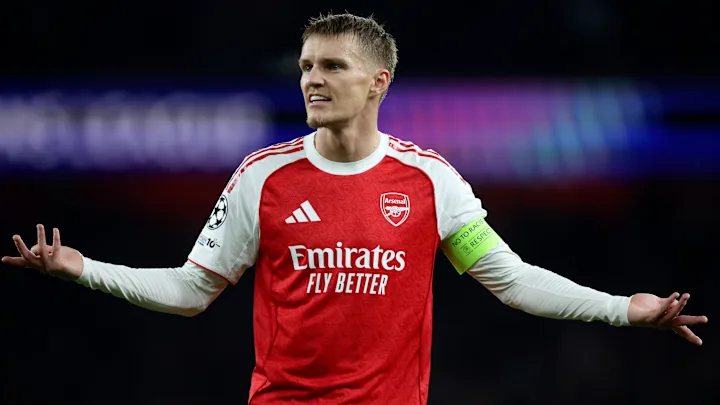
Even though the Arsenal captain has not always been at his peak this season due to injuries disrupting his rhythm, his creative influence remains unmatched within the squad.
The Numbers Tell the Story
Statistics underline just how important Ødegaard has been to Arsenal’s attacking structure.
According to Opta data, during the 2024/25 season, Ødegaard created 2.0 chances from open play per 90 minutes — the highest among Arsenal players.
For comparison:
Bukayo Saka: 1.8
Gabriel Martinelli: 1.4
Leandro Trossard: 1.3
Declan Rice: 1.1
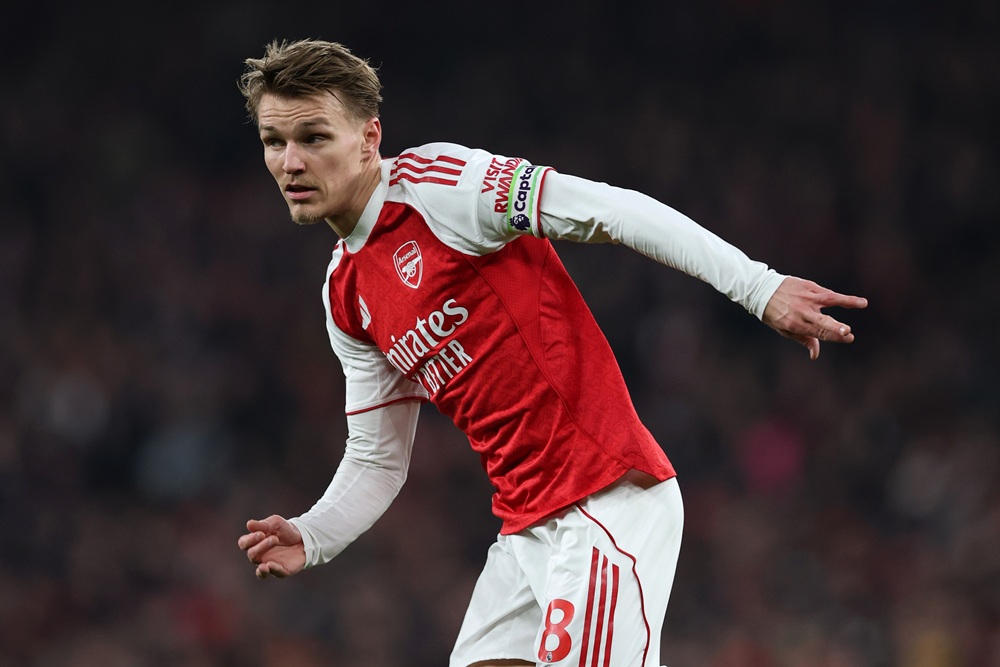
The trend has continued into the current season, where Ødegaard’s creativity has actually increased.
He is now producing 2.4 chances from open play per 90 minutes, again topping the club’s rankings.
Even Arsenal’s most creative attacking stars fall behind:
Saka: 2.0
Trossard: 1.6
Martinelli: 1.4
Noni Madueke: 1.1
Rice: 1.1
But perhaps the most revealing statistic concerns passes into the penalty area.
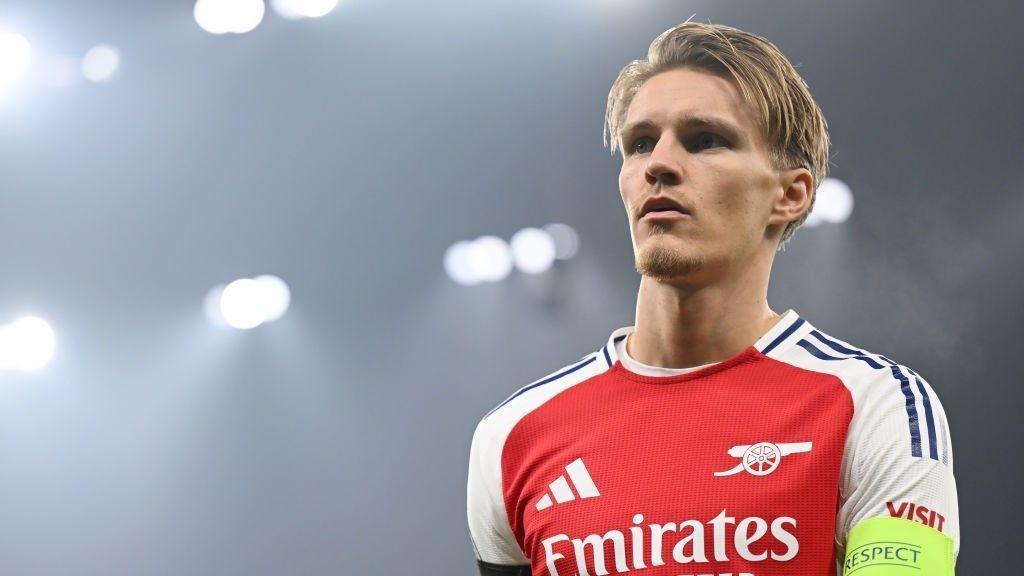
During the previous season, Ødegaard averaged 7.9 passes into the box per 90 minutes, comfortably leading the squad.
Others lagged behind:
Saka: 6.8
Rice: 5.8
Ethan Nwaneri: 5.4
Trossard: 4.7
Martinelli: 4.2
And this season?
The story remains almost identical.
Ødegaard still leads the team with 7.9 passes into the box per 90 minutes.
Yet one statistic has raised particular concern among supporters.
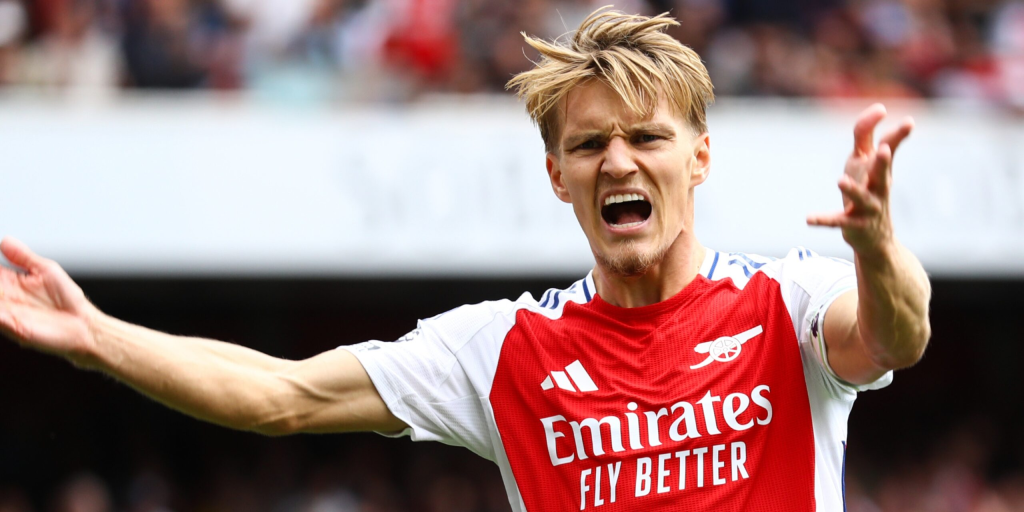
Summer signing Eberechi Eze averages just 2.9 passes into the box per 90 minutes.
That is nearly three times fewer than Ødegaard.
The Eze Problem Emerging
Eze arrived at Arsenal with high expectations.
The former Crystal Palace playmaker was viewed as a creative alternative capable of offering flair, dribbling ability, and attacking imagination.
But the numbers suggest he has struggled to replicate the type of central playmaking influence that Ødegaard provides.
While Eze excels at carrying the ball and beating defenders, Arsenal’s system requires a player who can constantly feed attackers with precise passes in tight spaces.
That is exactly what Ødegaard specializes in.
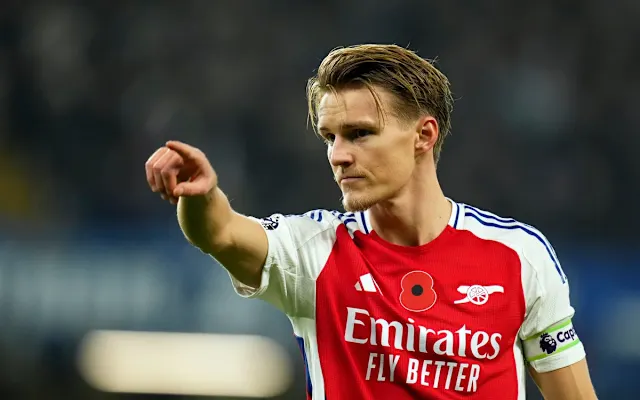
Without him, Arsenal’s attacks have often drifted toward the wings — relying heavily on Saka and Martinelli to generate danger.
The result is predictable.
Opponents defend deeper, central passing lanes disappear, and Arsenal struggle to break defensive blocks.
Arteta’s Response
When asked after the Leverkusen match whether Ødegaard’s absence had been felt, Mikel Arteta acknowledged the Norwegian’s unique qualities but refused to single him out as the solution.
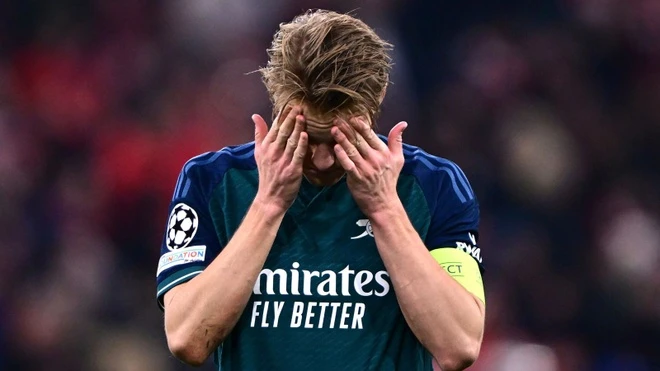
“Martin has different qualities, but we have players with a lot of talent,” Arteta said.
“The execution of many actions has to be at another level.”
The Arsenal manager instead focused on improving the team’s overall attacking sharpness.
“You want to create much more threat in and around the box, and today on many occasions it wasn’t there.”
Arteta also highlighted a defensive issue that compounded the problem.
“After regaining the ball we allowed too much space for them to turn us and make us run backwards.”
For the Spanish coach, the issue is not about one missing player — but about collective performance.
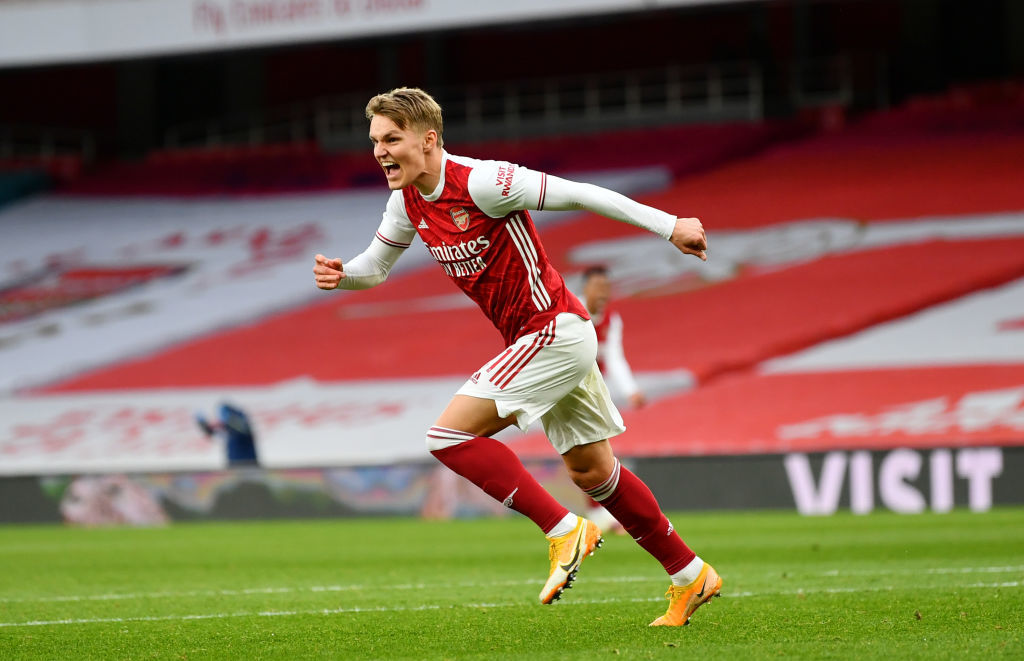
When Will Ødegaard Return?
Arsenal supporters are now anxiously awaiting the return of their captain.
Current projections suggest Ødegaard could be back after the international break, though there remains hope he could return slightly earlier if recovery progresses well.
Until then, Arteta must find creative solutions.
One possibility could involve Kai Havertz dropping deeper into a linking role — something that briefly showed promise alongside Viktor Gyökeres during previous matches.
But replacing Ødegaard’s combination of intelligence, vision, and precision will not be easy.
A Season That Could Depend on One Player
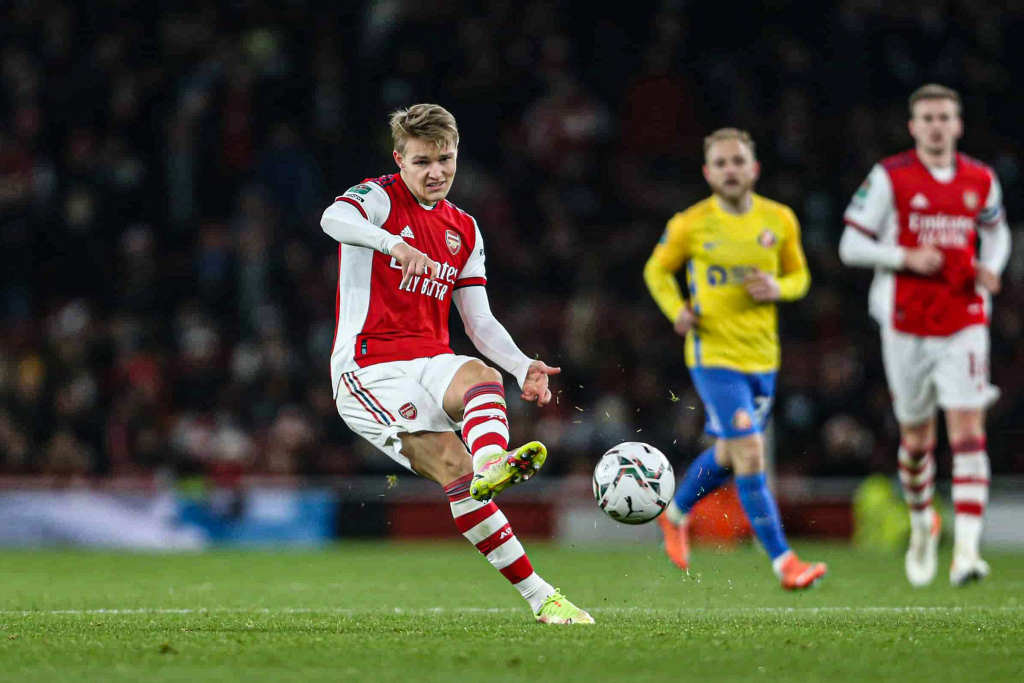
Arsenal remain firmly in contention for major trophies.
They are still fighting in the Premier League title race and remain alive in the Champions League.
Yet the Leverkusen match served as a reminder that even elite teams can suffer when key creative players are missing.
Because when Martin Ødegaard is absent, Arsenal don’t just lose a midfielder.
They lose the player who connects the entire attack.
And until that connection returns, the Gunners’ biggest ambitions may remain just out of reach.
Leave a Reply