The Dodgers’ message on Roki Sasaki sounds reassuring. Almost calm.
But listen closely, and it feels less like reassurance — and more like a turning point.
Sasaki’s rookie MLB season was anything but smooth. The transition from Japan came with physical setbacks, cultural adjustment, and the weight of expectation that follows a pitcher once labeled generational. Early numbers reflected the struggle: a 4.46 ERA, limited opportunities, and uncertainty about where he truly fit.
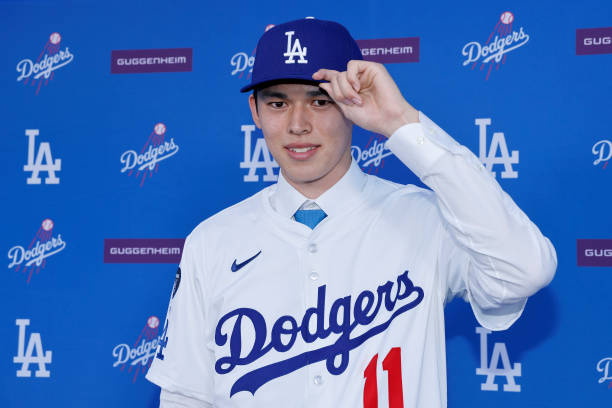
Then October arrived, and the story changed.
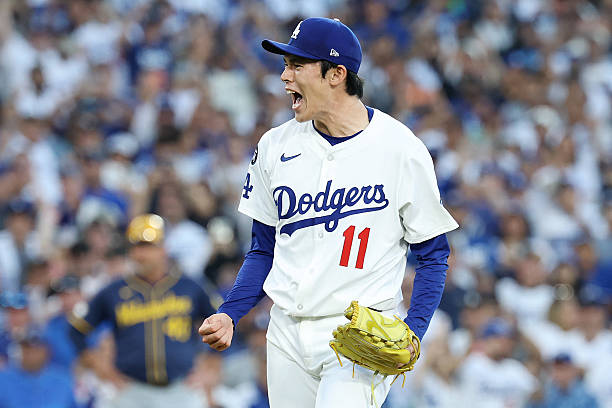
Out of the bullpen, Sasaki became something the Dodgers desperately needed. Quietly dominant. Unshakeable. A 0.84 postseason ERA with three saves doesn’t scream for attention — it demands it. In the moments that mattered most, he looked comfortable, controlled, and dangerous.
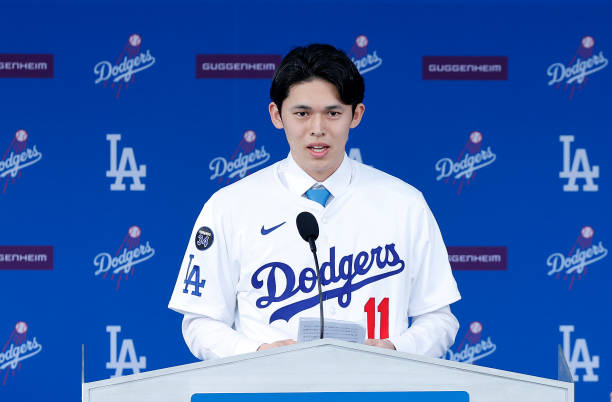
That success should have settled the question of his role.
Instead, it reopened it.
Dodgers general manager Brandon Gomes recently made it clear: the organization still sees Sasaki as a starter. Not eventually. Not conditionally. For sure. The confidence was unmistakable. His velocity looks strong. His body feels right. His development, according to the team, is exactly where it should be.
And yet, buried inside that confidence is an unspoken admission.
If Sasaki simply relied on his fastball and splitter, Gomes suggested, he could dominate. That statement sounds like praise — until you realize what it implies. Dominance is possible, but not sustainable. Not if he’s expected to face hitters a third time through the order. Not if he’s expected to anchor a rotation rather than survive in short bursts.
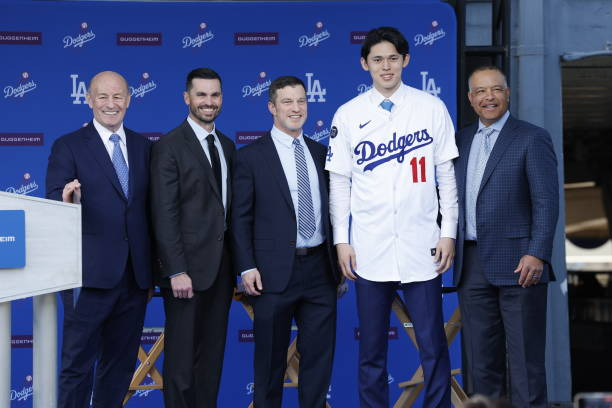
Dodgers manager Dave Roberts didn’t soften that reality.
The message was blunt: Sasaki needs another pitch. Something that moves left. Something that completes the picture. Without it, the bullpen version of Sasaki may remain the safer option — no matter how much upside the rotation promises.
This is where the story becomes quietly tense.
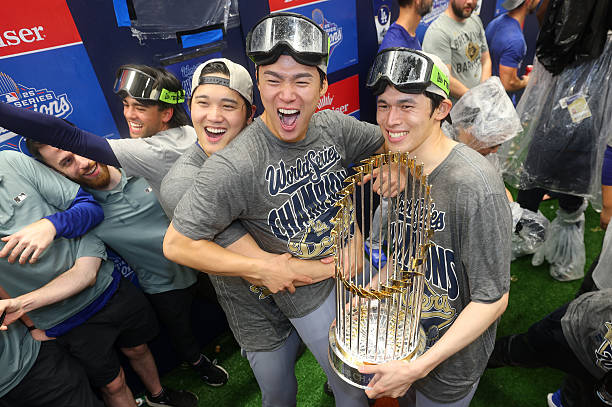
The Dodgers are betting on comfort. On familiarity. On the belief that Year 2 is where Japanese pitchers truly arrive. They’ve seen it before. Yoshinobu Yamamoto’s leap from Year 1 to Year 2 changed expectations, not just results. Gomes openly acknowledged that the hardest part of the transition isn’t baseball — it’s life. The move. The pressure. The constant adjustment.
By skipping the World Baseball Classic, Sasaki is signaling alignment with that belief. Less noise. More focus. More time to build the missing piece.
But development doesn’t always move in straight lines.
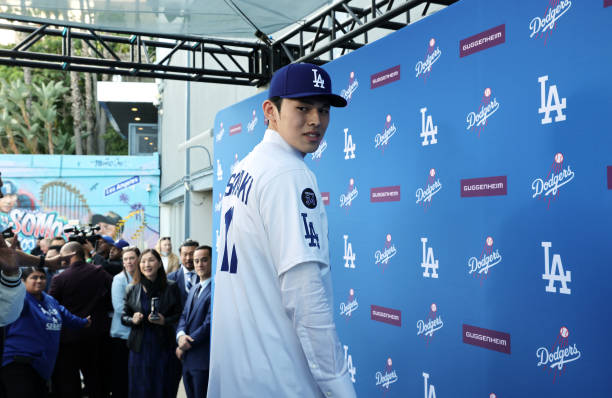
The bullpen version of Sasaki already works. It’s proven. It helped win a World Series. Asking him to stretch back into a starter isn’t just about innings — it’s about identity. About whether dominance in chaos can translate into control over six or seven innings.
The Dodgers sound convinced they know the answer.
Still, there’s something telling in how carefully they speak. Praise wrapped in caution. Confidence paired with conditions. Opportunity framed as expectation.
If Sasaki succeeds, he reshapes the rotation and extends the Dodgers’ window even further. If he doesn’t, the team faces a quieter dilemma: return him to the role where he thrived, or keep pushing a vision that hasn’t fully materialized yet.
So the real question isn’t whether Roki Sasaki can start.
It’s whether the Dodgers are prepared for what it means if he can’t — after they’ve already shown the world just how devastating he can be when everything is simplified.
Leave a Reply