When the confetti fell at Levi’s Stadium, it marked more than a Super Bowl victory for the Seattle Seahawks. It marked the arrival of a coach whose rise was never supposed to look like this.
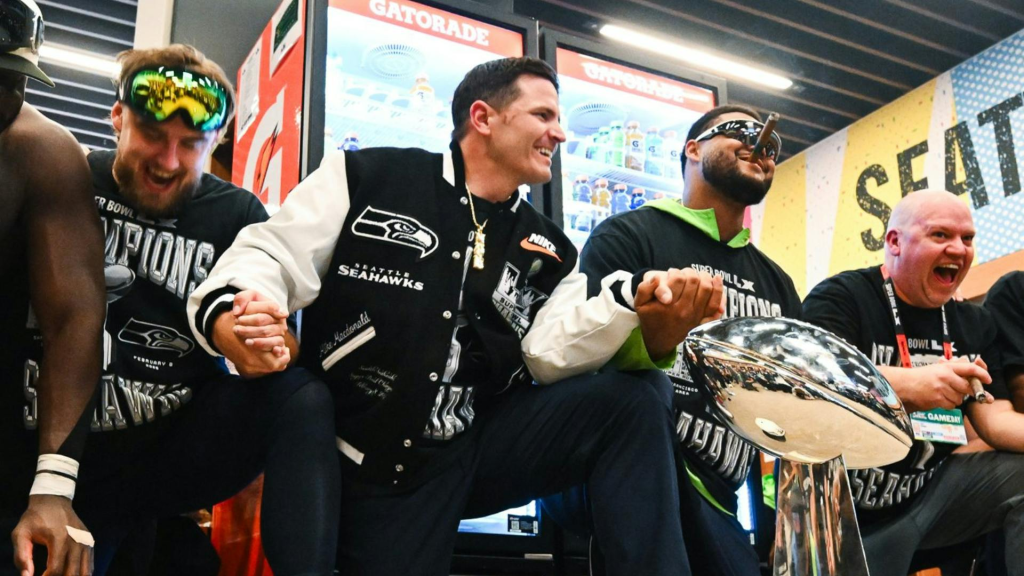
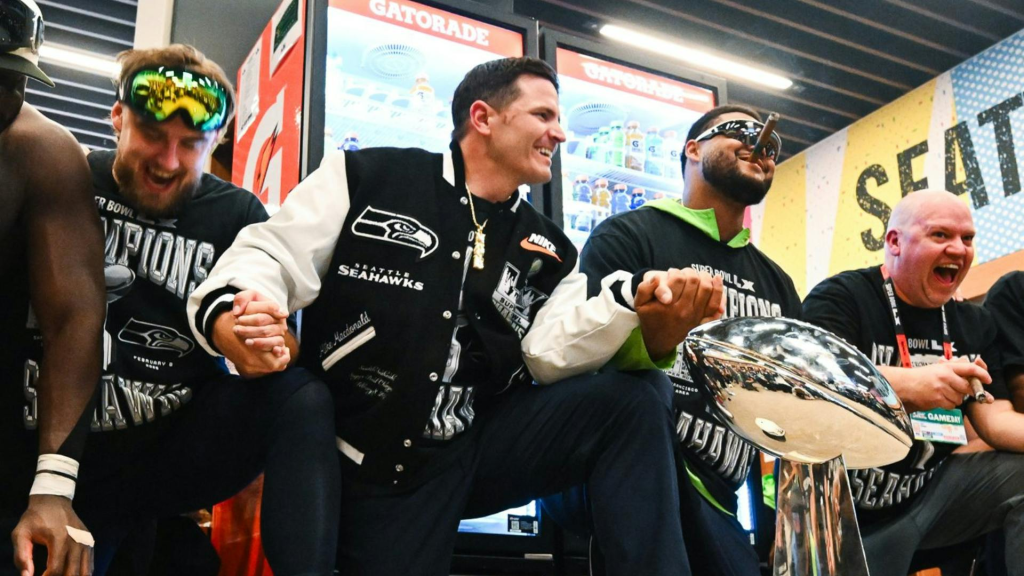
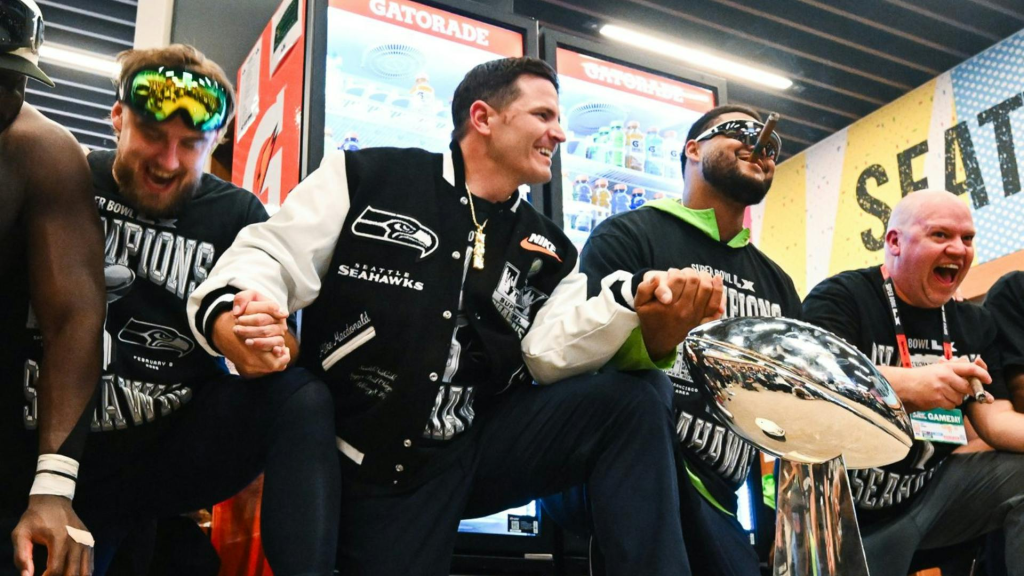
Mike Macdonald stood on the sideline, calm amid chaos, watching a vision more than a decade in the making finally take form. The Seahawks’ 29–13 win over the New England Patriots was decisive, controlled, and oddly serene for a championship game.
That calm wasn’t accidental.
Twelve years ago, Macdonald was preparing to leave football entirely. Coaching doors weren’t opening. Stability felt necessary. Finance offered certainty where football did not. For a moment, the dream flickered.
Then came a phone call. An internship. A bottom-rung opportunity that didn’t promise success — only survival.
What followed was not a meteoric rise, but a slow accumulation of belief. Baltimore. Michigan. Back to Baltimore. Each stop sharpened Macdonald’s understanding of structure, patience, and process. His defenses didn’t just attack; they waited. They trusted.
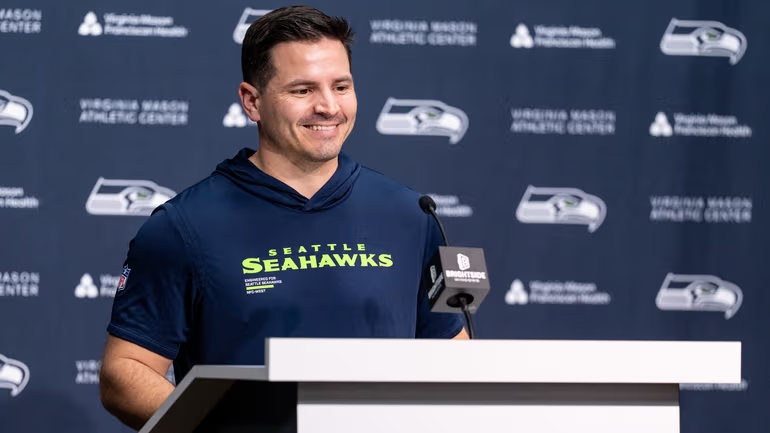
By the time Seattle hired him in January 2024, Macdonald was the youngest head coach in the league — and perhaps the most quietly prepared.
His message was never flashy. He spoke about “stacking wins,” about consistency compounding over time. But beneath the football language was something deeper, something he never hid from his players.
Faith.
Macdonald has been open about his personal journey — one that wasn’t linear or complete when he started coaching. He spoke of growth, of learning to believe not just in outcomes, but in the discipline of becoming.
That philosophy seeped into the Seahawks’ locker room. Players from different backgrounds, different paths, different doubts, bound together by the same demand: trust the process, even when results lag behind belief.
On Sunday, that trust paid off.
Seattle’s defense — nicknamed the “Dark Side” — suffocated New England. Six sacks. Three turnovers. A strip-sack touchdown by Uchenna Nwosu that felt less like a spark and more like an exclamation point.
Drake Maye never found rhythm. The Patriots never found hope. The game unfolded as if scripted by patience rather than adrenaline.
Macdonald became the third-youngest head coach to win a Super Bowl and the first under 40 to reach 17 wins in a season including playoffs. Those milestones sound loud. His reaction was not.
He spoke instead about the locker room. About what people had been through before they ever put on a Seahawks jersey. About how football, at its best, becomes a place where journeys intersect for a reason.
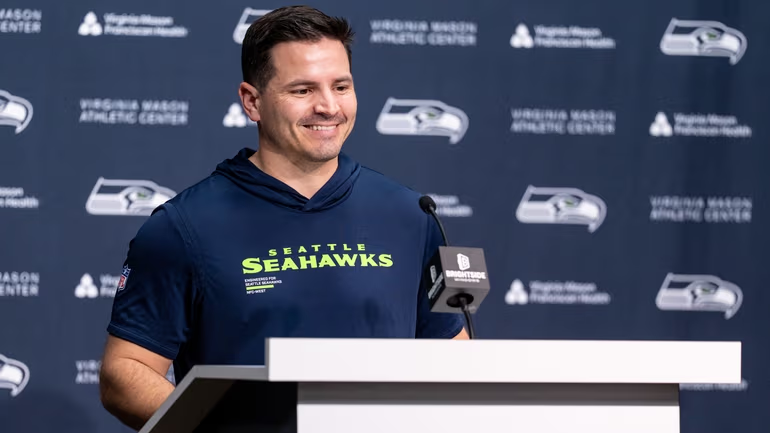
That perspective explains why this championship feels different. Seattle didn’t peak suddenly. They matured collectively. Wins didn’t stack by accident — they stacked because the team believed the process deserved faith before proof.
Macdonald didn’t promise instant transformation when he arrived. He promised growth. And growth, as he often reminded his players, requires patience when no one is watching.
The Super Bowl was simply the endpoint everyone else finally noticed.
In a league obsessed with innovation, Macdonald’s greatest strength may be restraint. He didn’t chase reinvention. He cultivated alignment. Scheme followed belief, not the other way around.
As the Seahawks celebrated, it became clear this wasn’t a one-season surge. This was infrastructure. Culture. A team that understood why it won, not just how.
Macdonald once stood on the edge of walking away from football. On Sunday night, football rewarded that persistence in the loudest way possible.
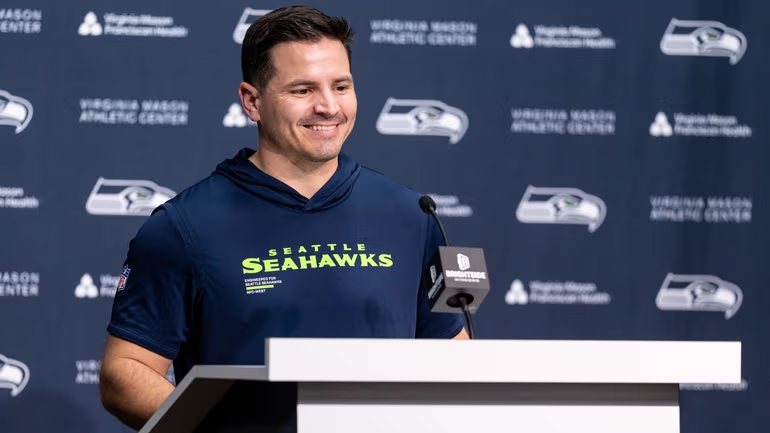
And yet, the message he left with felt almost quiet: championships aren’t built in moments of certainty — they’re built by trusting the journey long before the destination becomes visible.
Leave a Reply