Every fantasy baseball player seems to answer the Gunnar Henderson question instantly: Yes, of course you draft him.
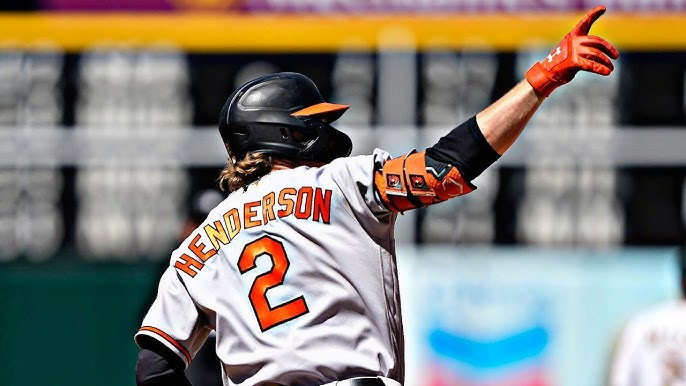
But once you slow the tape down — especially if you follow a structured draft philosophy — the answer gets much more uncomfortable.
Gunnar Henderson is undeniably elite. But elite talent doesn’t automatically equal elite draft value, particularly when health enters the equation. And in Gunnar’s case, health isn’t a footnote — it’s the story.
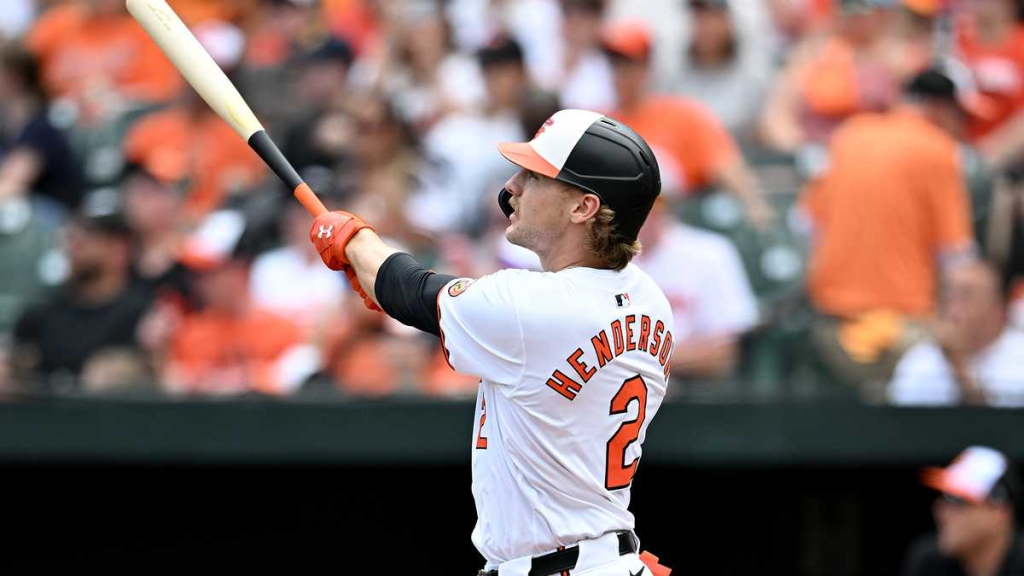
The 2024 Version Everyone Fell in Love With
In 2024, Henderson looked like a blueprint fantasy cornerstone. He played 159 games, logged 719 plate appearances (third-most in MLB), and delivered true five-category dominance.
A .281 average.
37 home runs.
92 RBIs.
118 runs scored.
21 stolen bases.
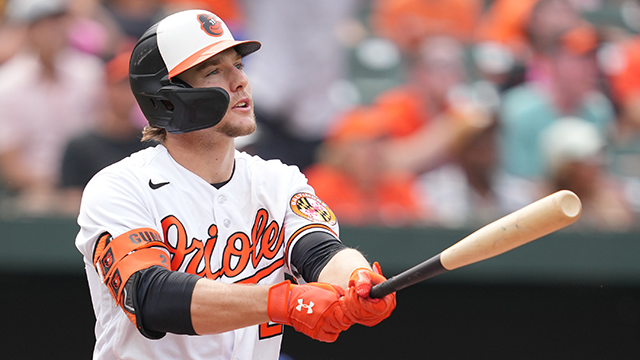
The underlying metrics backed it all up. An 11.2% barrel rate, 92.5 mph average exit velocity, and enough speed (24 ft/sec) to justify real stolen base upside. He wasn’t just productive — he was durable, reliable, and locked into everyday shortstop reps. Fantasy managers didn’t just enjoy that season; they planned around it.
That’s why Gunnar entered 2025 as a top-10 pick and the clear No. 2 shortstop behind Bobby Witt Jr.
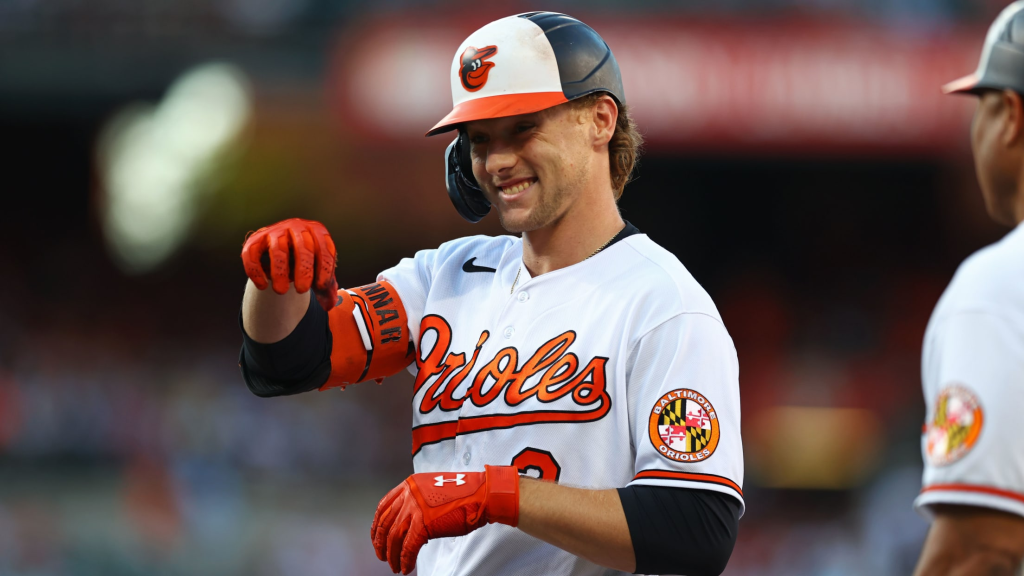
What Went Wrong in 2025
The warning signs started before Opening Day. An intercostal strain cost Henderson the first week of the season. But the real problem was quieter — and more dangerous.
A lingering shoulder injury.
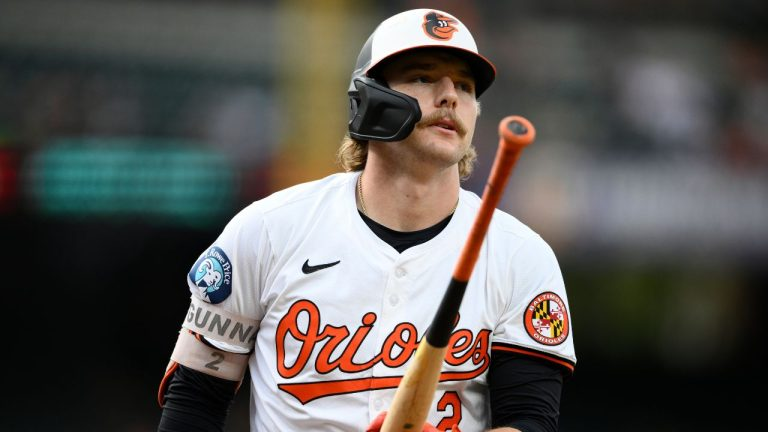
He played through it. The plate discipline actually improved: strikeouts down, walks up. His hard-hit rate and exit velocity stayed respectable. But the power disappeared. The ball stopped lifting. And fantasy managers felt it immediately.
In 2025, Henderson produced:
.274 average
17 home runs
62 RBIs
85 runs
30 stolen bases
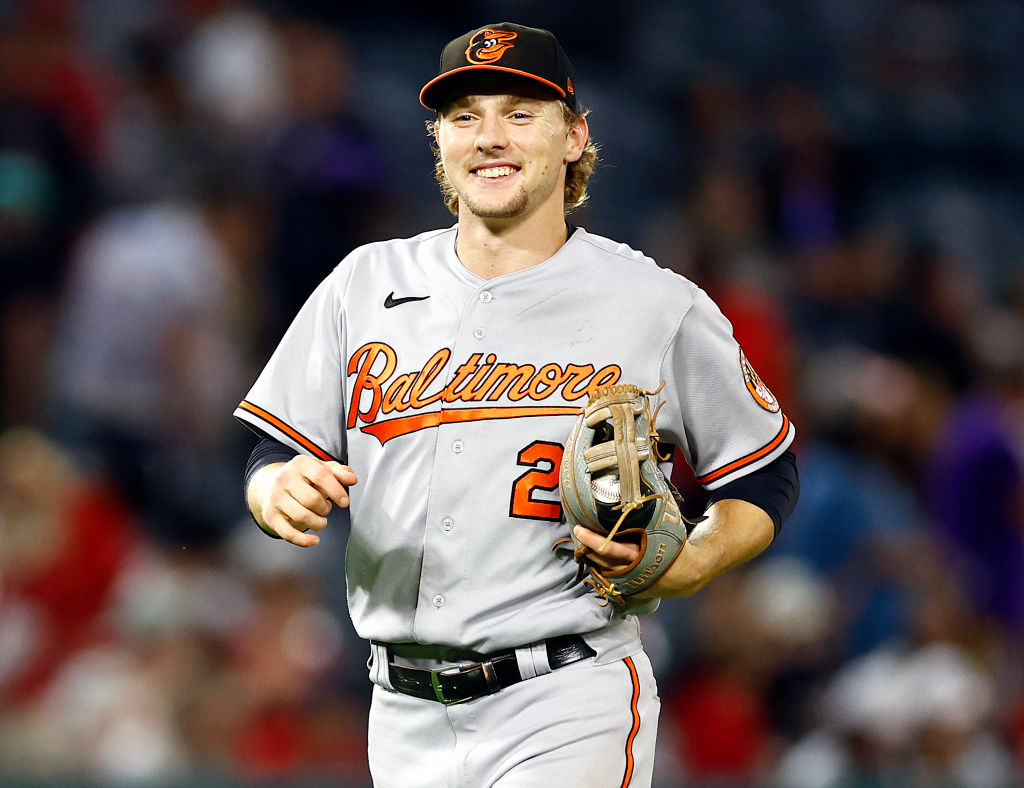
That stolen base spike helped mask the damage, but the reality was harsh: for his draft cost, Gunnar was one of the season’s biggest disappointments. And unlike freak injuries, shoulder issues don’t just vanish — especially when surgery is deferred.
Why 2026 Is So Polarizing
From an upside standpoint, everything still lines up.
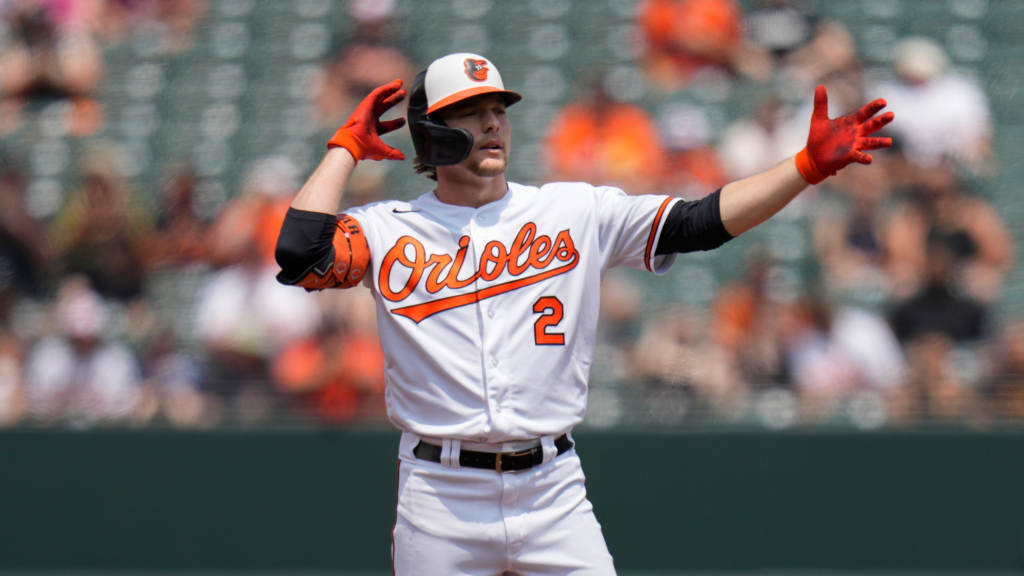
He’s entering his age-24 season — prime growth years. Camden Yards remains one of the best parks in baseball for left-handed power. In 2024, 24 of his 37 homers came at home; in 2025, that number fell to 10. A healthy shoulder alone could swing that dramatically.
The Orioles lineup is also stronger. Pete Alonso’s presence gives Henderson legitimate protection, and batting third signals organizational confidence in his run production.
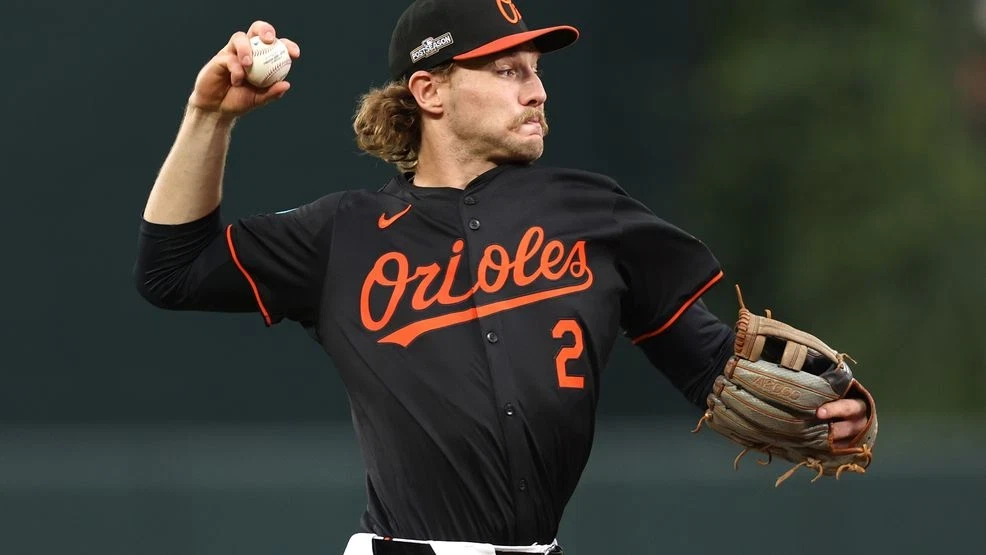
But fantasy baseball isn’t about optimism alone — it’s about range of outcomes.
Two Very Real Scenarios
If Henderson is fully healthy:
159 games, .270 AVG, 30 HR, 100 RBI, 100 R, 30 SB
→ First-round value. League winner potential.
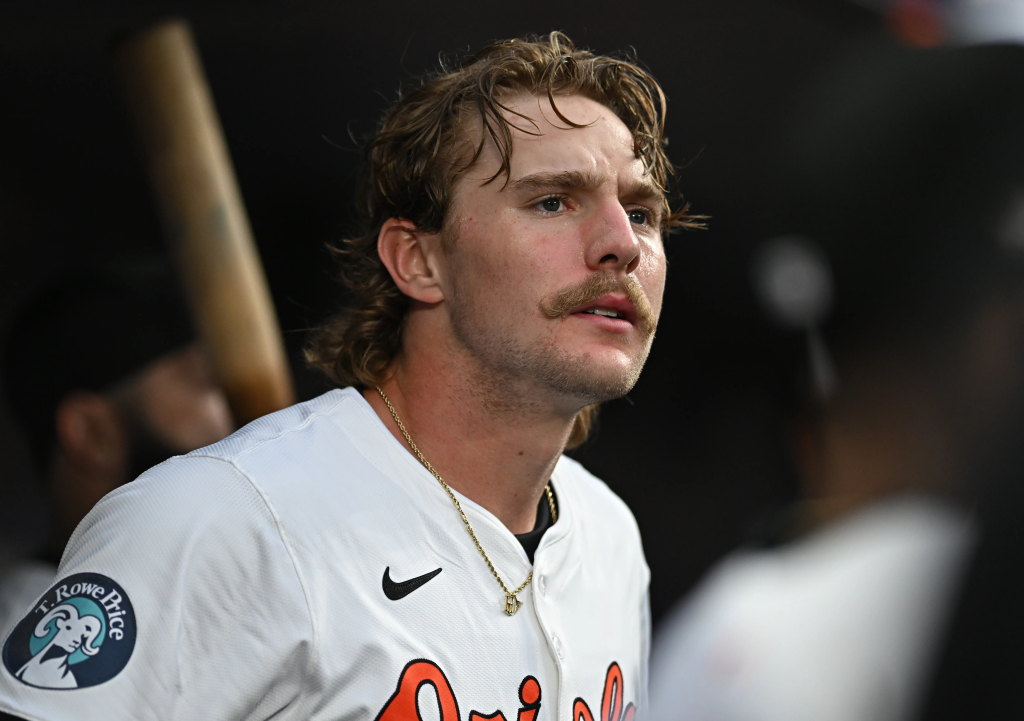
If the shoulder lingers:
125 games, .270 AVG, 14 HR, 62 RBI, 70 R, 16 SB
→ Replacement-level production for his ADP.
And history tells us something uncomfortable: players who get hurt often get hurt again.
The Draft-Day Verdict
This isn’t about fading Gunnar Henderson. It’s about context.
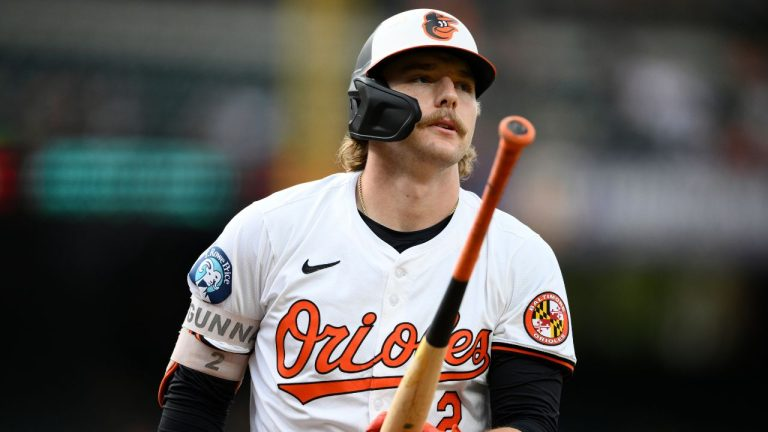
In shallow leagues with strong replacement options, betting on upside makes sense. Draft Gunnar, then protect yourself with a reliable shortstop a few rounds later.
In deep leagues, AL-only formats, or competitive environments where replacement value is thin? The risk becomes far harder to justify at a second-round price.
Gunnar Henderson still has superstar DNA. But in 2026, drafting him isn’t a talent bet — it’s a health gamble.
And the difference between winning your league and chasing waiver-wire repairs may come down to how comfortable you are making that bet.
Leave a Reply