The scoreboard told one story. Mike Vrabel told another.
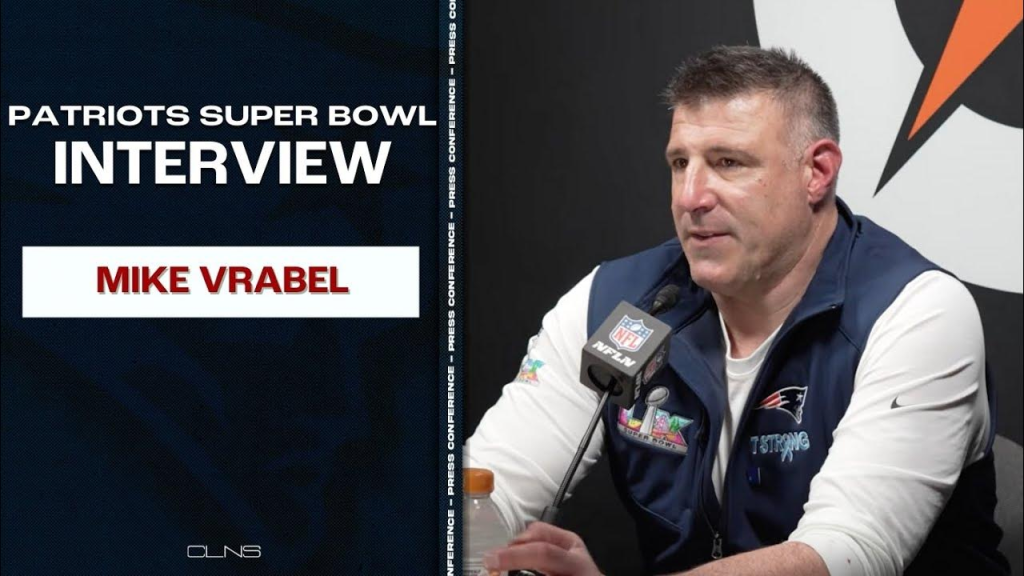
New England’s 29–13 loss to the Seattle Seahawks in Super Bowl LX felt lopsided long before the final whistle. The Patriots never found rhythm, never seized momentum, and never looked comfortable offensively.
Vrabel didn’t pretend otherwise.
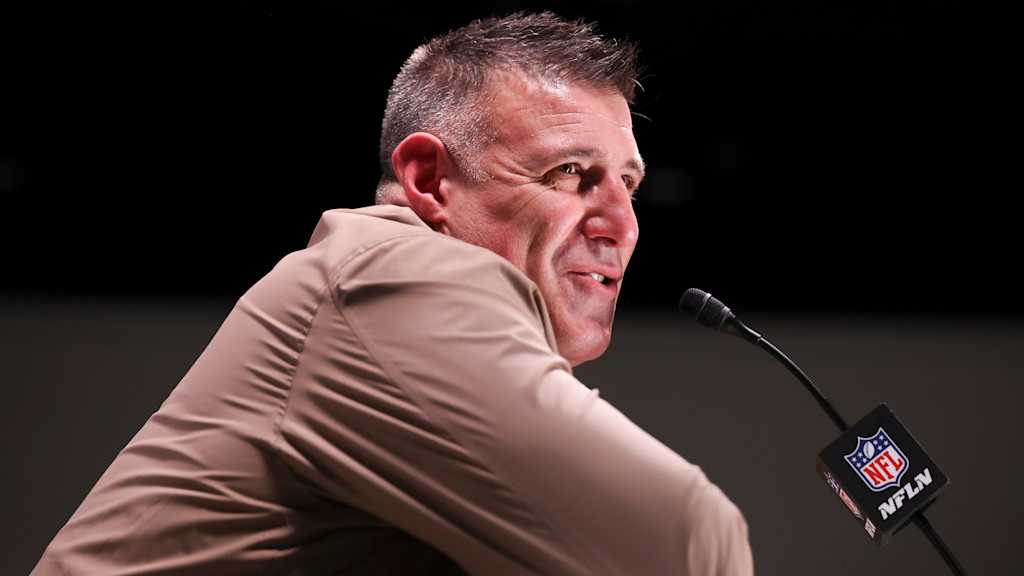
In his first comments after the loss, the Patriots’ head coach avoided platitudes and didn’t lean on collective blame. He addressed the issue everyone had already seen — and he did it immediately.
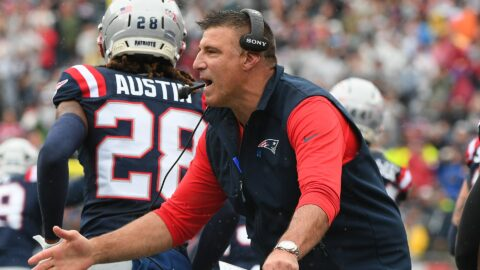
The offense failed. And at the center of that failure was the offensive line.
Drake Maye absorbed pressure from the opening drive, rarely given the clean pockets necessary for a young quarterback to function on the game’s biggest stage. While mistakes surfaced across the unit, the left side struggled in a way that was impossible to hide.
Rookies Will Campbell and Jared Wilson endured the toughest night of their young careers, overwhelmed by Seattle’s relentless pressure. Assignments broke down early. Confidence eroded quickly. And the damage compounded as the game progressed.
Vrabel didn’t single out names publicly, but he didn’t need to. The tape spoke loudly enough.
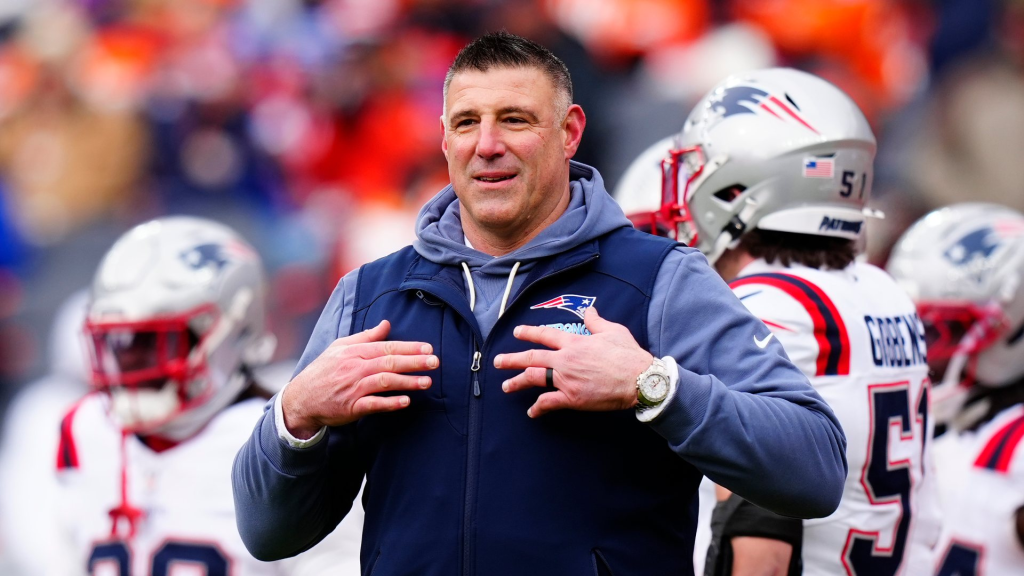
There’s a version of post-Super Bowl leadership that spreads responsibility evenly to protect morale. Vrabel chose clarity instead. His tone wasn’t angry — it was diagnostic. This wasn’t about embarrassment. It was about exposure.
The Super Bowl revealed what the Patriots already suspected but hadn’t been forced to confront so starkly.
The offensive line, despite offseason investments, still isn’t ready for championship football.
New England had made progress from center to right tackle. That side held up reasonably well throughout the postseason. But protection is only as strong as its weakest link, and Seattle attacked the left edge without mercy.
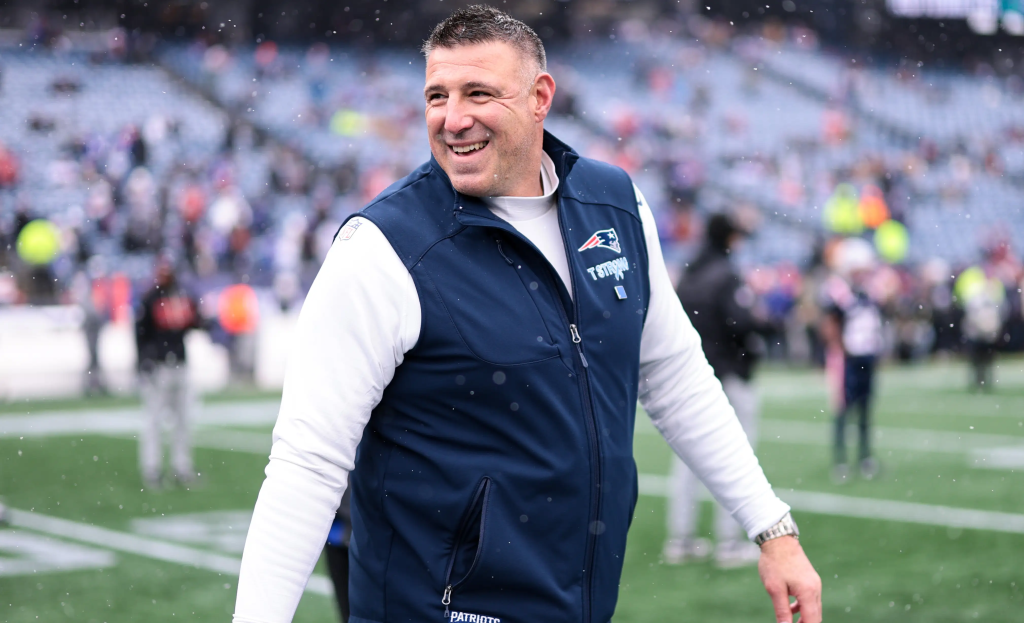
Inexperience showed. Not just in technique, but in composure. Blitz recognition lagged. Adjustments came late. Turnovers followed.
For Vrabel, the loss wasn’t just a defeat — it was a blueprint.
This offseason now carries urgency. Drake Maye is entering Year 3 of his rookie contract, the window where teams must aggressively build before quarterback extensions reshape cap flexibility. New England doesn’t have the luxury of patience anymore.
That reality reframes every decision.
There’s already speculation about reshuffling the line, including the possibility of moving Campbell inside to left guard despite his No. 4 overall draft status. It’s a harsh idea — but harsh ideas are often born in Super Bowls.
Vrabel understands this better than most. Championships don’t wait for development curves. They demand readiness.
The Patriots believed they could accelerate the process with young talent. On Sunday, that gamble came due.
Still, Vrabel’s response suggests confidence rather than panic. He didn’t deflect. He didn’t overreact. He identified the problem and moved on — exactly how leaders turn failure into leverage.
The loss may sting, but it clarified something invaluable. The Patriots now know precisely what separates them from lifting the Lombardi Trophy.
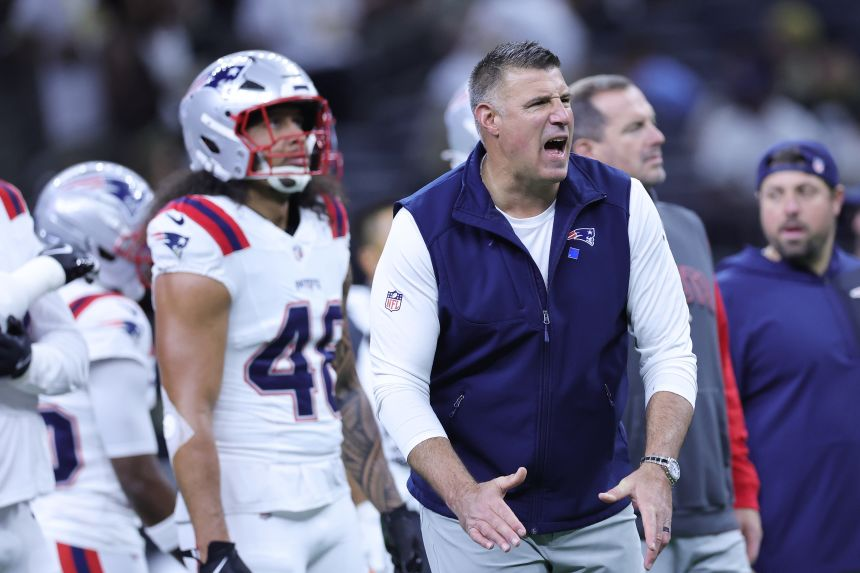
The question isn’t whether they’ll address the offensive line. It’s how aggressively — and how quickly — they’re willing to act before the opportunity around Maye tightens.
Super Bowls have a way of stripping away illusions.
For New England, that truth arrived brutally. For Mike Vrabel, it arrived usefully.
And the way he spoke afterward made one thing unmistakably clear: this loss won’t be ignored, softened, or explained away. It will be answered.
Leave a Reply