The image is still fresh in baseball’s collective memory.
Shohei Ohtani on the mound. Two outs. Mike Trout at the plate. One swing away from history — and then a strikeout that sealed Japan’s World Baseball Classic title in 2023.
That moment defined the tournament.
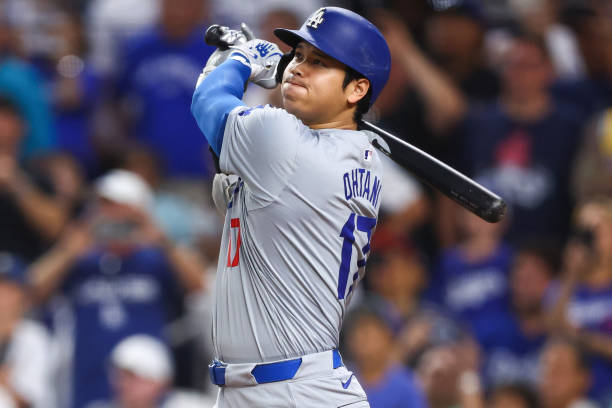
Three years later, the World Baseball Classic returns without half of that image.
Shohei Ohtani will be there for Japan in 2026 — but he won’t pitch.
On paper, the explanation is simple. Ohtani is coming off nearly two years of pitching recovery, followed by a carefully managed return in 2025.
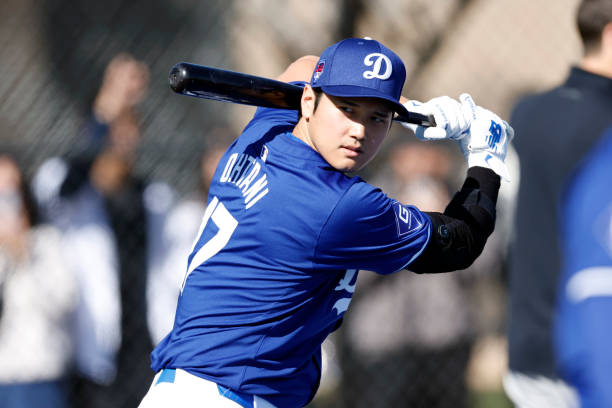
He threw just 47 innings in the regular season, posted a strong 2.87 ERA, then added another 20⅓ innings during the Dodgers’ championship run.
For the first time in a Dodger uniform, 2026 represents his opportunity to handle a full two-way workload across an entire season.
That is the priority.
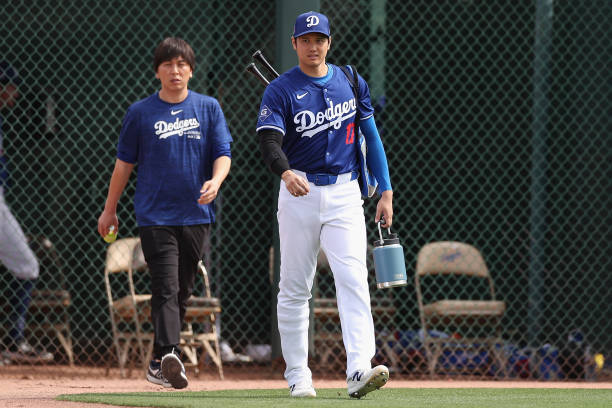
Dave Roberts didn’t sound alarmed when discussing the decision. In fact, he sounded almost relieved — though he insisted he wasn’t.
“Understanding what he did last year, what he had to go through, and how best to prepare himself for ’26 to do both — it just seemed like the right decision,” Roberts said.
Reasonable. Responsible. Logical.
And yet, the decision lands heavier than that.
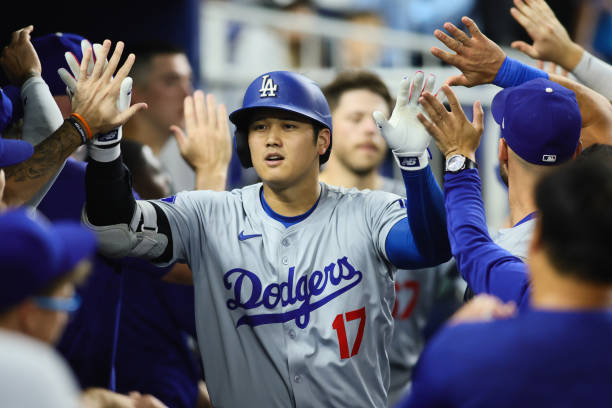
Because Ohtani has never been just a logical player. He is baseball’s most ambitious contradiction — a hitter and pitcher who refused to choose, a global star who kept expanding what was possible.
Every appearance carries expectation not just of excellence, but of spectacle.
The WBC is built for that spectacle.
By stepping away from pitching duties, Ohtani isn’t signaling weakness. He’s signaling restraint. And restraint, for an athlete who has spent his career redefining limits, feels unfamiliar.
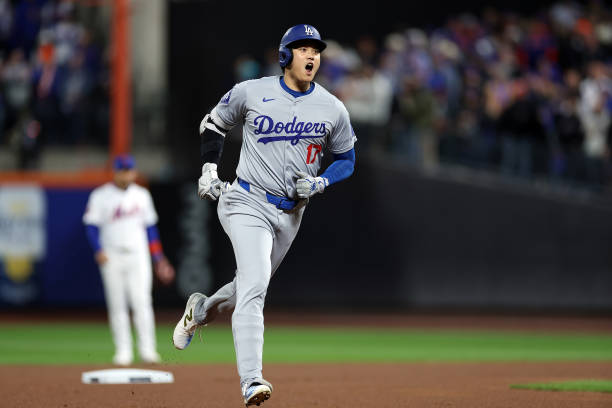
Fans won’t say it out loud, but the question lingers: is this the beginning of a more carefully contained version of Shohei Ohtani?
The Dodgers, of course, see this through a different lens. Their investment is measured in seasons, not moments. The organization wants Ohtani healthy through October — not emptied by March.
The calculus is clear: a full year of two-way dominance in Los Angeles outweighs a few innings of international glory.
From that perspective, this isn’t a loss. It’s an optimization.
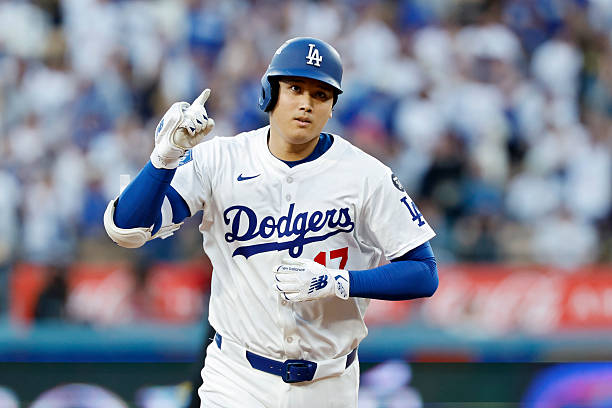
But international baseball doesn’t operate on optimization. It operates on emotion. On memory. On moments that feel larger than schedules.
Japan will still field an elite team. Yoshinobu Yamamoto will pitch. The talent will be there. Yet the absence of Ohtani on the mound subtly reshapes the tournament’s gravity.
The most iconic player in the sport will appear — but partially.
That partial presence invites interpretation.
Is this simply a one-year pause? Or does it hint at a future where Ohtani’s two-way workload is increasingly selective, rationed for sustainability rather than expression?
No one is saying that publicly. And Ohtani himself hasn’t framed it that way. But the decision reflects a shift — from proving what’s possible to protecting what already is.
Around him, the Dodgers continue to assemble an offense designed to overwhelm. Kyle Tucker joins an already lethal lineup.
Roberts is already sketching batting orders with Ohtani leading off, Betts hitting third, and Will Smith anchoring the middle. Everything points toward October.
Which makes this choice make sense.
Still, when the WBC begins and Ohtani takes the field only as a hitter, something will feel incomplete — not because he owes anyone more, but because the standard he set was always higher than anyone else’s.
This isn’t the end of the two-way dream.
But it may be the clearest sign yet that even Shohei Ohtani is learning when not to chase every moment.
Leave a Reply