When the New York Mets traded Brandon Nimmo to the Texas Rangers in exchange for veteran second baseman Marcus Semien, the baseball world reacted immediately.
From a roster construction standpoint, the deal made sense.
But emotionally? It felt different.
Nimmo wasn’t just another outfielder. He was a long-tenured Met, a fan favorite, and widely respected inside the clubhouse.
So why move him?
Recent comments suggest the answer might extend beyond lineup balance.
The Mets–Rangers Trade: A Quick Recap
Earlier this offseason, the Mets completed a one-for-one swap:
- Brandon Nimmo → Texas Rangers
- Marcus Semien → New York Mets
On paper, the move addressed positional needs:
- The Mets gained infield stability.
- The Rangers added an experienced outfielder with offensive upside.
Still, questions lingered.
Was this purely baseball strategy — or was something else at play?
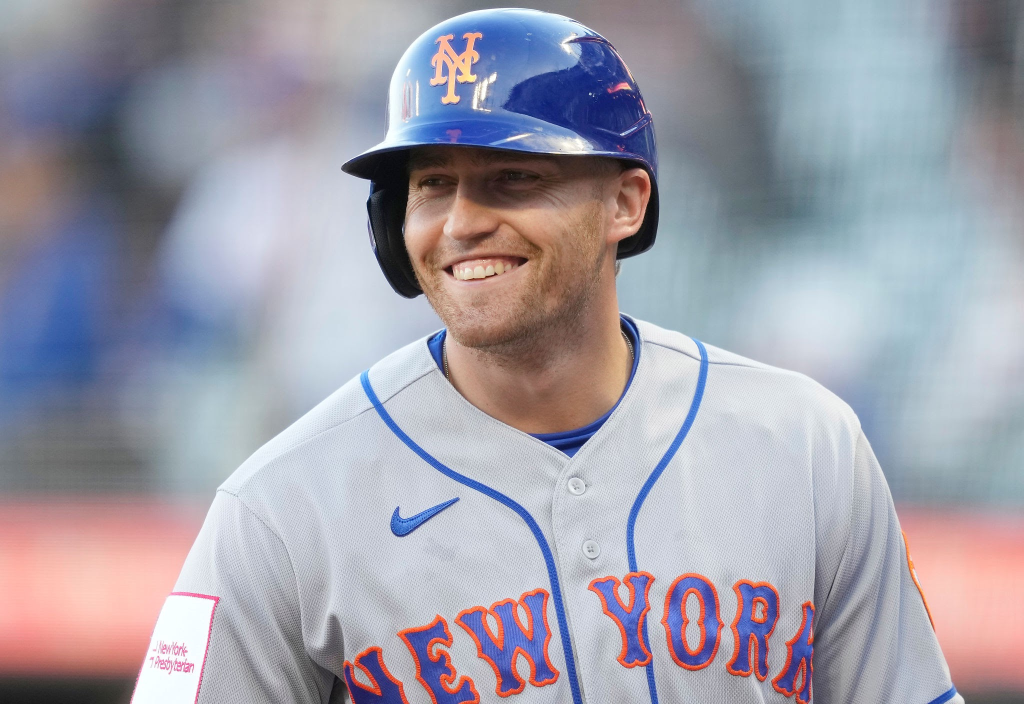
Reports of Clubhouse Friction in New York
Late in the 2025 season, whispers surfaced about tension within the Mets clubhouse.
Losing seasons often magnify internal dynamics:
- Leadership gaps become obvious
- Minor habits grow into irritations
- Personal styles clash under pressure
After the trade, speculation intensified.
Was Nimmo’s standing inside the locker room as secure as fans believed?
According to reporting from Joel Sherman of the New York Post, there may have been smaller — but meaningful — factors involved.
And Nimmo himself acknowledged them.
Reason No. 1: Brandon Nimmo’s Unconventional Batting Practice Routine
One of the more surprising revelations involved Nimmo’s approach to home batting practice.
To preserve his health over the past four seasons, Nimmo adopted a routine:
- He rarely took batting practice at home.
- He avoided early warm-ups.
- He preferred arriving closer to game time.
His reasoning?
Because the home team hits first in BP, players warm up… cool down… then have to reheat before the game.
Nimmo believed that cycle was counterproductive for his body.
From a performance standpoint, it worked. He stayed on the field consistently.
But Sherman reported that:
“That apartness from the club disturbed some.”
Nimmo responded candidly:
“I do think that that part of things had a little bit to do with [the trade].”
Why This Matters
In a 162-game season, perception counts.
Even small differences in routine can be interpreted as:
- Isolation
- Lack of engagement
- Disconnect from team rhythm
Whether fair or not, clubhouse chemistry is fragile — especially during losing stretches.
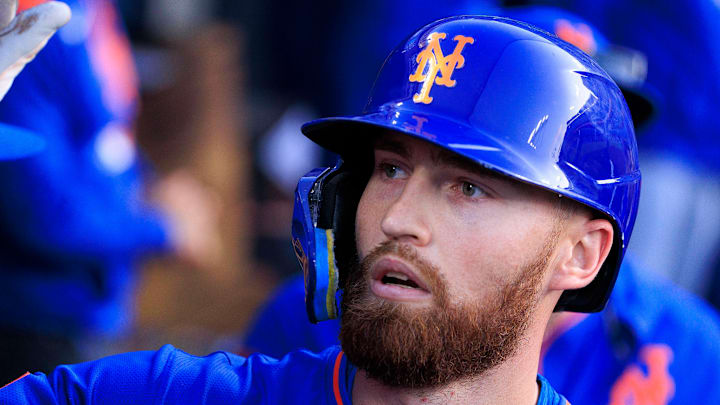
Reason No. 2: Nimmo’s Voice in Team Meetings
Another subtle factor?
His presence in meetings.
Sherman wrote that Nimmo:
- Frequently voiced his opinions
- Spoke at length
- Made sure his perspective was heard
In some environments, that’s leadership.
In others, it can be perceived as excessive.
Nimmo admitted:
“I did talk a lot at meetings. Maybe that was part of it, too. I heard that.”
That level of self-awareness is notable.
But it also confirms something important:
There may have been internal tension around communication styles.
Leadership Vacuum and Frustration
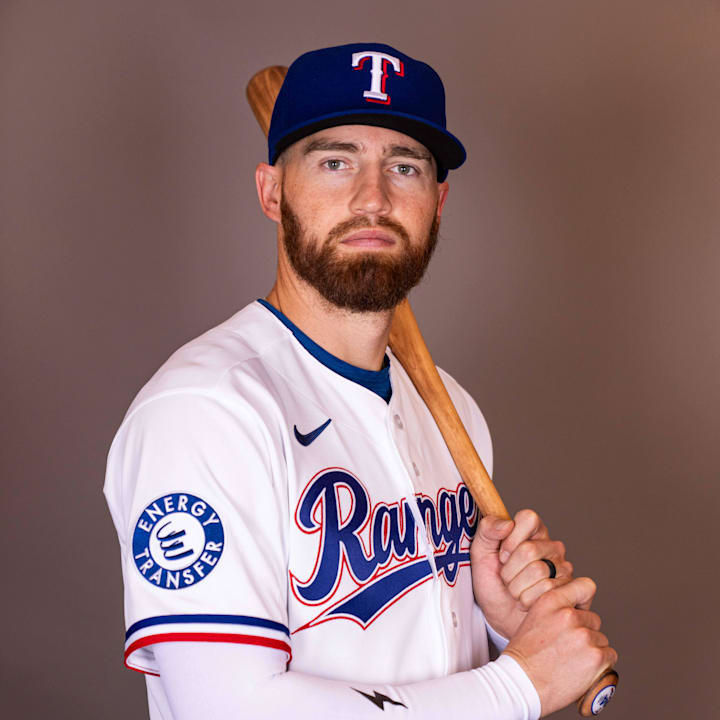
Sherman added a key observation:
When a team is losing, small things grow.
He described the “claustrophobic everyday-ness” of nine months together.
That phrase says everything.
Baseball clubhouses are intense ecosystems:
- Daily travel
- Shared pressure
- Media scrutiny
- Performance expectations
When leadership clarity is absent, minor nuisances become magnified.
Was Nimmo filling a leadership void?
Or unintentionally stepping on others’ space?
That likely depends on perspective.
Was the Trade About Performance or Personality?
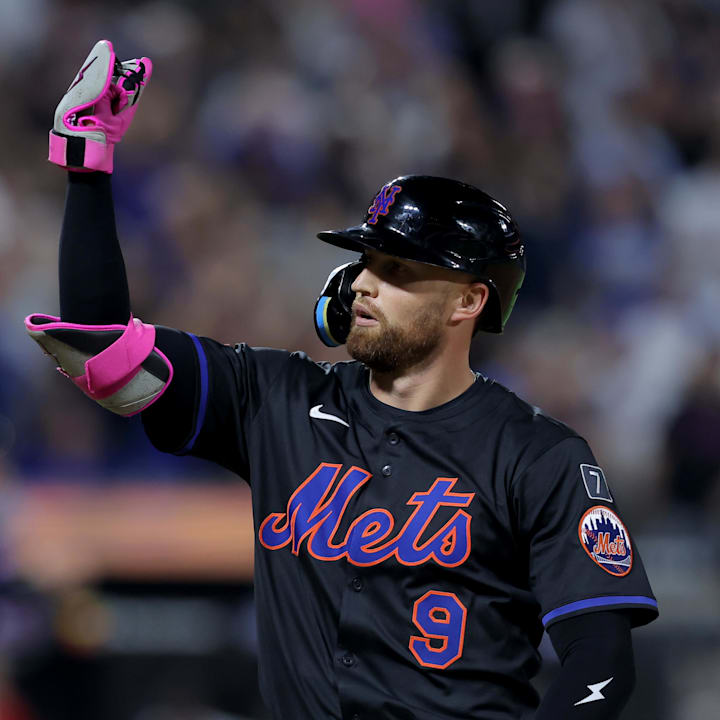
From a statistical standpoint, Nimmo has long been a productive player.
But front offices don’t evaluate talent in isolation.
They also weigh:
- Clubhouse balance
- Communication hierarchy
- Role definition
- Long-term roster culture
It appears the Mets may have considered all of the above.
The Semien-for-Nimmo swap wasn’t just about replacing positions.
It may have been about resetting tone.
The Bigger Picture: Mets Organizational Direction
The Mets have been navigating a transitional period.
Recent seasons featured:
- Inconsistent performance
- Changing leadership structures
- Public pressure to contend
In such environments, teams sometimes choose cultural recalibration.
That doesn’t necessarily mean Nimmo was a problem.
It may simply mean the Mets believed a different mix would work better.
How This Affects the Texas Rangers
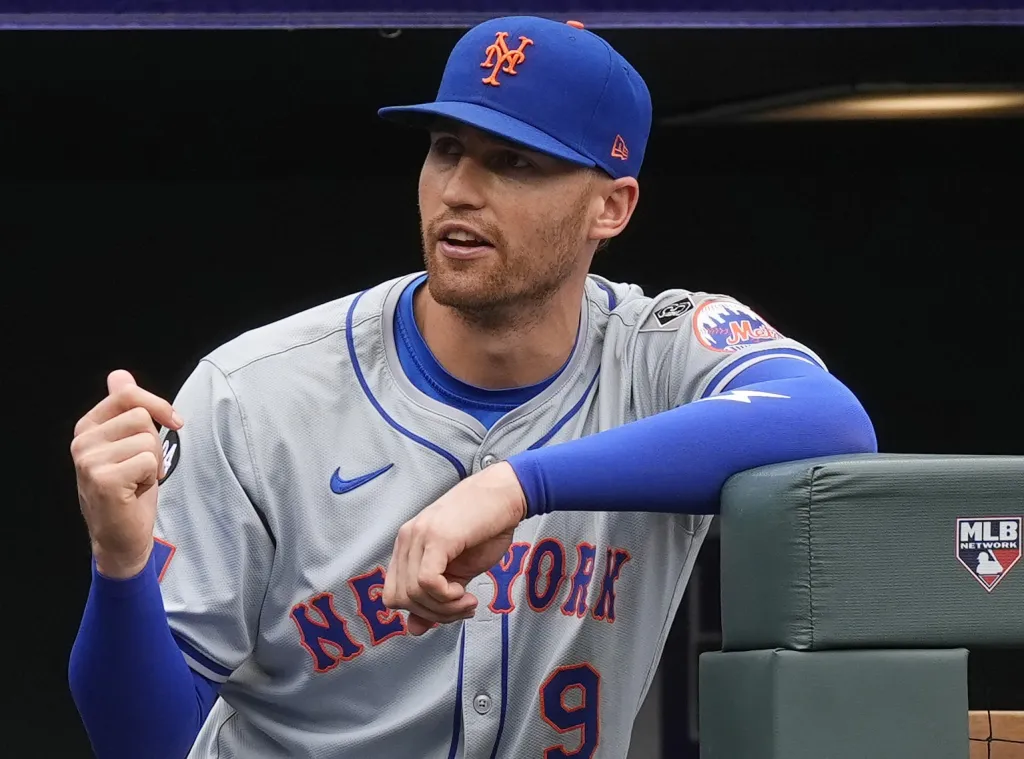
From the Rangers’ perspective, the trade could be a positive shift.
If Nimmo’s habits were misunderstood in New York, a fresh environment may allow him to:
- Reset clubhouse perception
- Establish leadership organically
- Focus purely on performance
Sometimes a change of scenery benefits both sides.
Small Things, Big Consequences
Sherman called the issues “petty in the big picture.”
But baseball seasons are long.
When teams struggle, even:
- Warm-up timing
- Speaking patterns
- Locker room routines
…can quietly influence dynamics.
The Nimmo trade reminds us that roster decisions often involve layers beyond box scores.
Final Thoughts: More Than Just a Baseball Trade
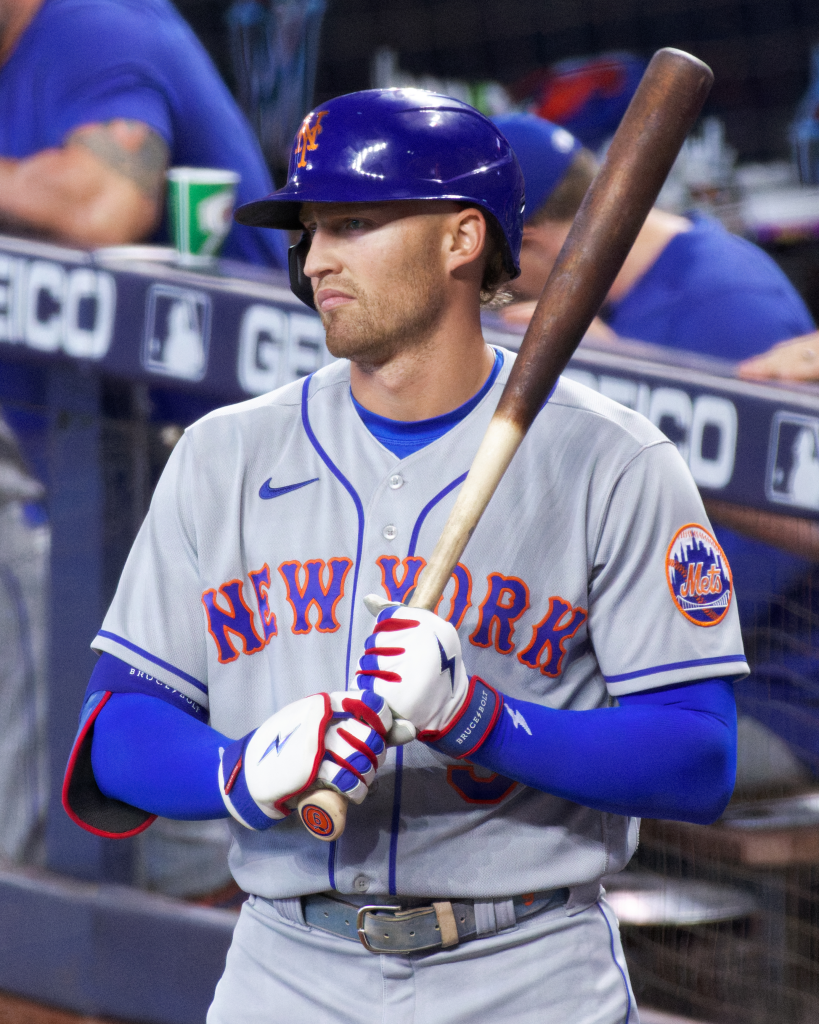
The Mets trading Brandon Nimmo wasn’t shocking because of talent.
It was shocking because of identity.
He represented continuity.
But recent comments suggest:
- His preparation style created distance.
- His vocal presence may have overwhelmed some.
- Leadership uncertainty amplified tensions.
None of these alone justify a trade.
Together? They might.
Now the question becomes:
Did the Mets make the right cultural call?
Or will Nimmo thrive in Texas and prove the move unnecessary?
What do you think — was this strictly a baseball decision, or did clubhouse chemistry truly influence the trade?
Share your thoughts below 👇⚾
Leave a Reply