The gap between the San Diego Padres and the Los Angeles Dodgers has never felt wider.
While the Dodgers continue to stack elite talent, adding proven stars and reinforcing every weakness, the Padres’ offseason has unfolded in a much quieter register. One major return in Michael King.
A rotation full of questions. A bullpen still searching for answers after losing Robert Suarez’s impact.
And now, a minor-league signing that barely made headlines.
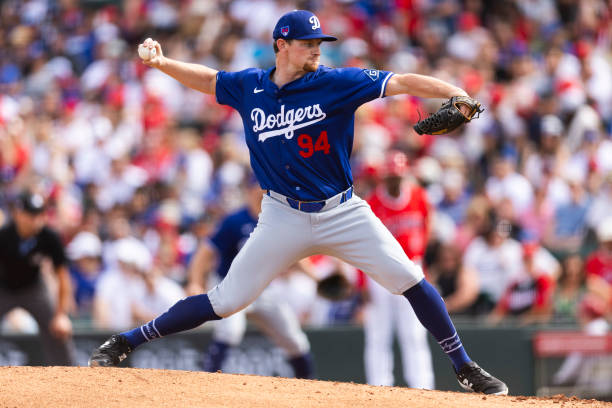
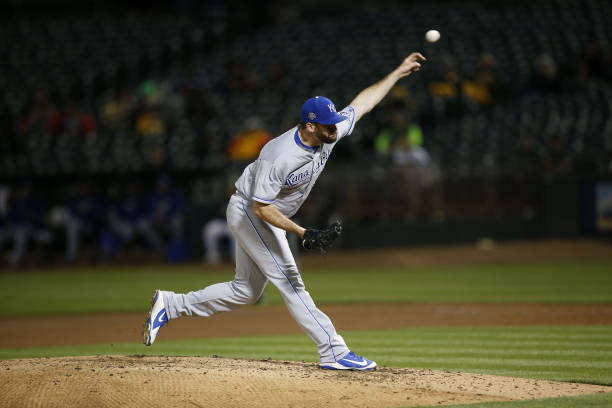
According to a report from MadFriars, the Padres have signed right-handed pitcher Michael Flynn to a minor-league contract. He’s 29 years old.
He’s never pitched in the majors. His name doesn’t move ticket sales or trend on social media.
But in context, this signing says more about San Diego’s reality than any splash move could.
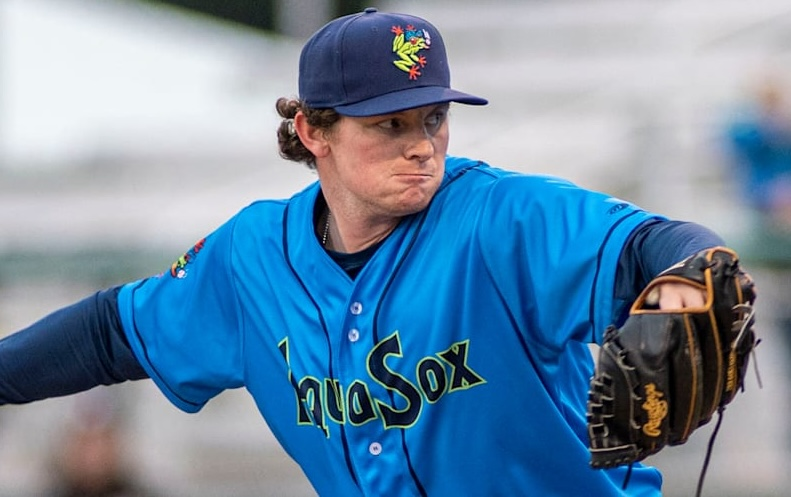
Flynn’s journey is anything but linear. Drafted by the Pittsburgh Pirates in the sixth round, he bounced through organizations, carving out a reputation not for polish, but for one thing teams can’t teach: strikeouts.
In short bursts across multiple minor-league levels, Flynn consistently missed bats. Thirty-eight strikeouts in 22 innings with the Mariners organization. Nearly a strikeout per inning at Double-A. Sixty-nine in just over 58 innings at Triple-A.
That ability kept him alive in a system that often discards arms without upside.
After joining the Dodgers organization, Flynn rebuilt enough value to be included in a one-for-one trade for Amed Rosario at the 2024 deadline — a reminder that teams saw something, even if they didn’t commit to it long-term.
Now he arrives in San Diego at a moment when the Padres can’t afford to ignore any possible edge.
Pitching depth is the soft underbelly of this roster. Nick Pivetta was the only starter to deliver a full, healthy season. Beyond that, durability and consistency are projections, not guarantees. In the bullpen, replacing Suarez’s presence looms as a season-long challenge.
Flynn doesn’t solve those problems. But he represents something else: optionality.
For a team chasing a powerhouse division rival, optionality matters. Strikeouts matter. And arms that can be summoned, stretched, or hidden in leverage pockets often decide seasons in ways fans don’t anticipate in February.
The Dodgers dominate with stars. The Padres survive on margins.
That’s where Flynn fits.
He’s not promised anything beyond an invitation to spring training. His transaction hadn’t even appeared on official roster pages as of Sunday morning.
But if he shows the same ability to miss bats, he becomes something the Padres desperately need — a low-cost, high-variance arm capable of absorbing innings or flipping a game when nothing else works.
This is how underdogs operate. Quietly. Patiently. Often invisibly.
For Flynn, the stakes are just as stark. At 29, he’s running out of runway. Another organization. Another camp. Another chance to prove that his stuff translates when hitters stop making minor-league mistakes.
The Padres don’t need him to be perfect. They need him to matter — even briefly.
In a division defined by excess, San Diego’s path forward isn’t glamour. It’s accumulation. It’s hoping one unexpected contributor bends probability just enough to keep them in the conversation.
Michael Flynn won’t change the NL West overnight.
But if the Padres are going to challenge the Dodgers at all, it won’t be because of headlines. It will be because of bets like this — quiet, uncomfortable, and born from necessity.
Leave a Reply