Mookie Betts didn’t hesitate.
When asked where he wants to play for the rest of his career, his answer came with unusual certainty: shortstop. Not for a few more seasons. Not as a temporary solution. For the long haul.
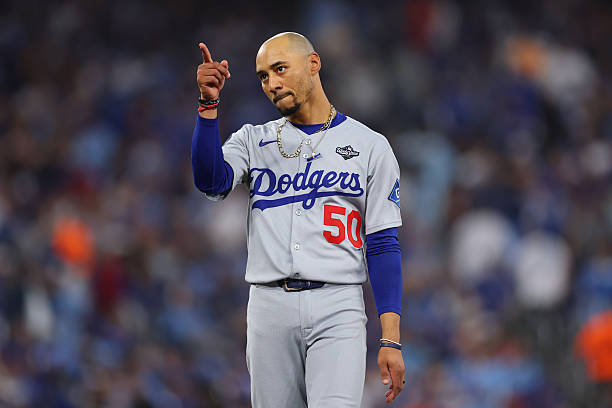
“I’m a hundred percent sure I’ll be able to,” Betts said confidently, brushing aside the idea that age or wear would slow him down.
On the surface, it sounded like a superstar backing himself. Dig a little deeper, though, and the statement feels less like a preference—and more like a quiet gamble the Dodgers may already be locked into.
Betts has done what few players have even attempted. He transitioned to shortstop in his 30s, performed at a Gold Glove level, and stabilized a premium defensive position without complaint.
That alone should be celebrated. But choosing to stay there into his late 30s pushes the conversation into unfamiliar territory.
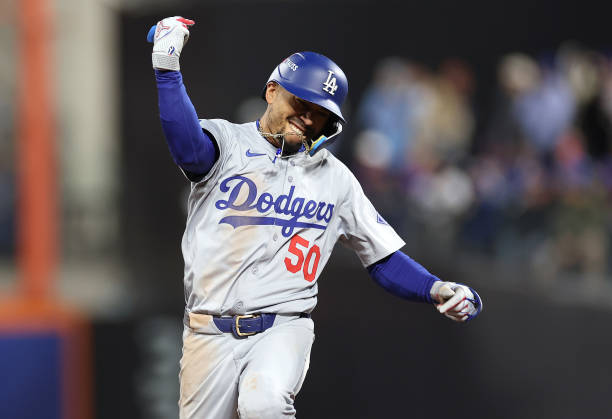
No player in MLB history has followed this exact path. And history, in baseball, tends to matter.
The Dodgers, for their part, appear comfortable letting Betts act as the infield’s anchor. The logic is clean: if Betts handles shortstop, the front office can redirect money elsewhere.
Fewer massive contracts. More flexibility. Fewer headlines about positional holes.
What isn’t being discussed as loudly is the cost of that flexibility.
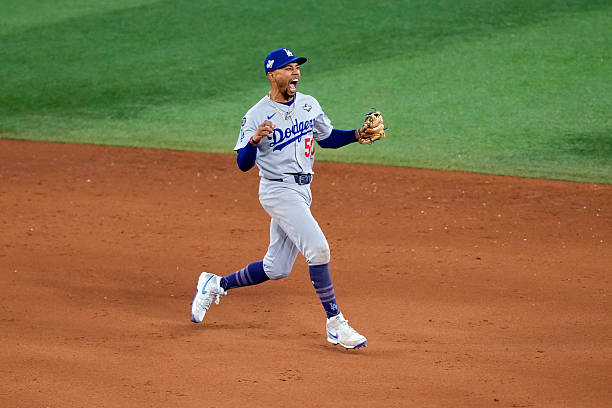
The 2025 season offered a glimpse of it. Betts battled a stomach virus early, dropped nearly 20 pounds, missed key international games, and spent much of the year playing catch-up physically.
At the same time, he was absorbing the mental and physical demands of shortstop—footwork, angles, reaction time, leadership.
The result? His weakest offensive season in years.
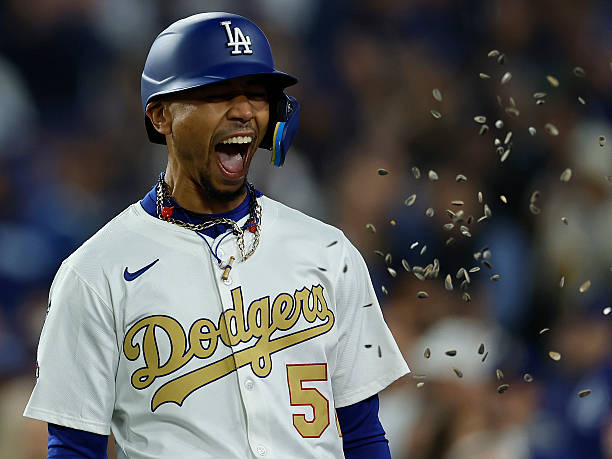
The numbers weren’t disastrous, but they were telling: a .258 average, 20 home runs, and an OPS well below his usual standard. Still above league average.
Still productive. Just… not Mookie Betts as fans had come to expect him.
The organization framed it as temporary. A transition year. A necessary dip before balance returns.
But Betts’ declaration reframes that narrative.
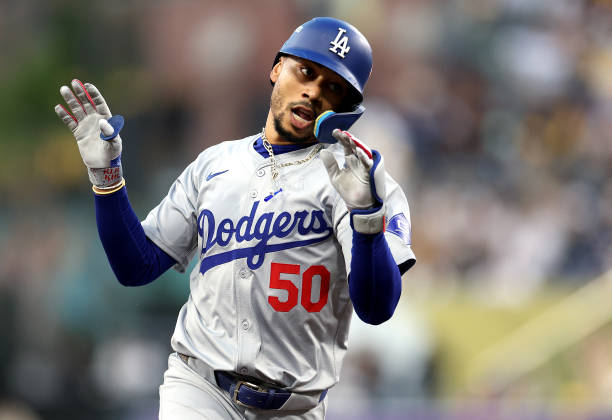
By committing fully to shortstop, he’s effectively saying the tradeoff is worth it—that his body, preparation, and discipline can absorb the burden indefinitely.
And perhaps they can. Betts is famously meticulous. Few players take care of themselves the way he does.
Yet even discipline has limits.
Shortstop isn’t just about range; it’s about daily stress. The constant lateral movement. The quick reactions. The leadership responsibility.
It’s a position that historically ages poorly, even for natural shortstops—let alone someone who converted later in his career.
That’s where the quiet tension lives.
Because if Betts stays at shortstop and his bat never fully rebounds, the Dodgers won’t just be asking him to sacrifice comfort. They’ll be asking him to sacrifice part of what made him transcendent.
And if the bat does rebound? Then the Dodgers look brilliant, having unlocked roster freedom without losing elite production.
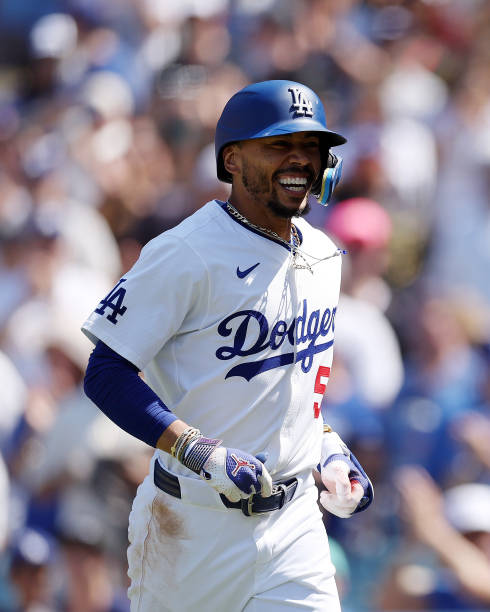
There’s no middle ground.
Fans are already split. Some admire the confidence, seeing it as another example of Betts’ competitiveness and leadership. Others hear the certainty and wonder if it’s masking the pressure of carrying too much—on the field and off it.
What’s undeniable is that this decision isn’t just about position charts or depth pieces.
It’s about identity.
Is Mookie Betts the Dodgers’ best all-around athlete, deployed wherever needed?
Or is he quietly redefining himself, accepting limits in one area to extend control in another?
The Dodgers are betting they won’t have to answer that question anytime soon.
But baseball has a way of forcing answers—eventually.
Leave a Reply