The Cleveland Guardians did the responsible thing.
They locked up Jose Ramírez. Seven years, $175 million. Stability. Loyalty. A franchise cornerstone secured at a number that most front offices would call a bargain without hesitation.
And then… they stopped.
That’s where the discomfort begins.
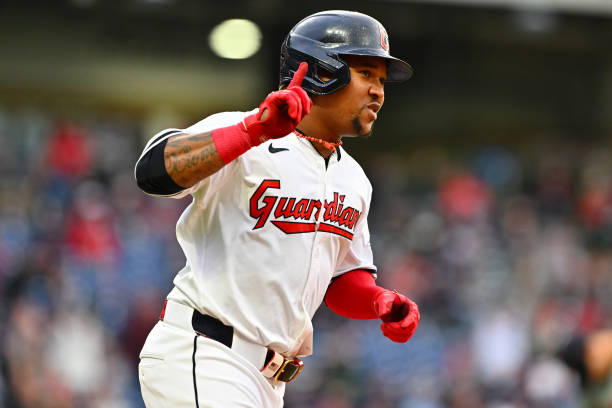
Because extensions are promises. And promises, in baseball, aren’t just about money—they’re about intent. About what comes next.
About whether a team plans to compete with its star, or simply keep him while waiting for the future to arrive on its own schedule.
This offseason has offered little evidence of urgency.
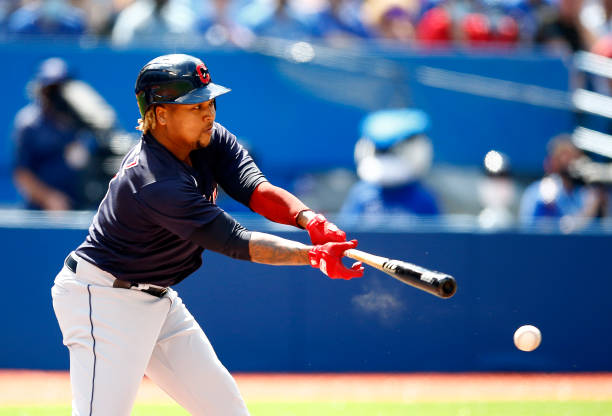
Cleveland signed three free agents. Made one trade. That trade didn’t bring talent—it brought cash considerations.
Meanwhile, Jim Bowden handed the Guardians a “D” for their winter, pointing out what’s been increasingly obvious: beyond securing Ramírez, the organization added almost nothing that changes the offense.
That contrast is hard to ignore.
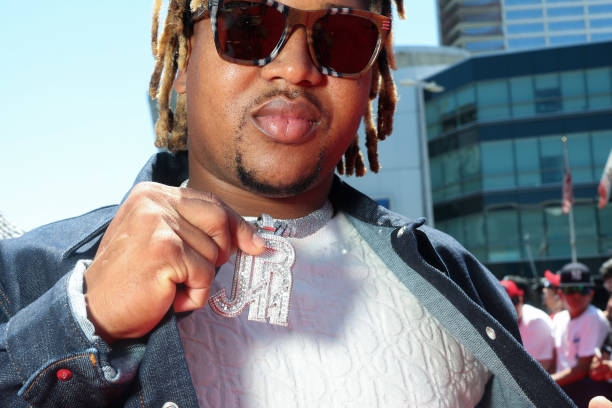
Ramírez remains one of baseball’s most complete players. A perennial MVP candidate. A middle-of-the-order force who produces regardless of protection, lineup turnover, or market size.
At 33, he’s still operating at an elite level—but baseball history is unforgiving when it comes to timelines.
Primes don’t announce their end. They just slip away.
Bowden’s critique cut directly to the heart of the issue: the Guardians need an impact bat to protect Ramírez. Someone who changes how pitchers approach an inning.
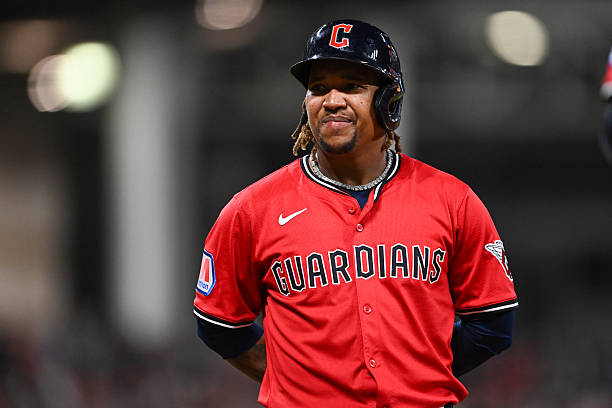
Someone who forces teams to choose which damage they’re willing to accept.
Instead, Ramírez is once again surrounded by uncertainty.
Kyle Manzardo. Chase DeLauter. Travis Bazzana. C.J. Kafus. Steven Kwan. Bo Naylor. George Valera. There’s promise here—real promise. But promise doesn’t scare opposing pitching staffs in April.
And it doesn’t carry a lineup through October when margins collapse.
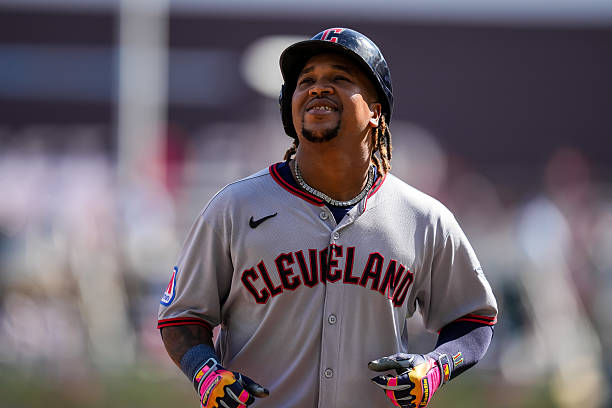
The Guardians seem to be betting that development will arrive on time.
That’s a risky bet when your best player doesn’t have time to spare.
Cleveland’s identity has long been efficiency. Smart scouting. Internal growth. Avoiding expensive mistakes. But efficiency becomes a liability when it turns into hesitation.
When “waiting” starts to look like standing still.
The Ramirez extension, meant to signal commitment, now feels oddly isolating. As if the organization secured the centerpiece without reinforcing the structure around it.
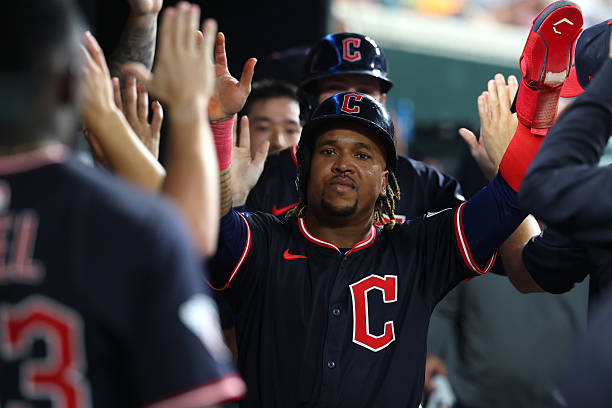
Fans aren’t questioning Ramírez’s loyalty. They’re questioning whether the team’s actions match the moment.
And the moment is clear.
The Guardians aren’t rebuilding. They’re not tearing down. They’re in between—competitive enough to matter, cautious enough to stall.
That middle ground is dangerous for teams built around singular stars, because it quietly transfers the burden of excellence onto one player’s shoulders.
Again.
What makes this offseason feel different isn’t just the lack of spending—it’s the lack of alternatives. With the market nearly exhausted, the window to add a true middle-of-the-order presence is closing.
What remains are internal hopes and incremental improvements.
Hope is not a plan.
No one is accusing the Guardians of negligence. This is subtler than that. It’s about opportunity cost. About years that can’t be banked for later use.
About whether Cleveland is content to remain competitive, or whether it truly intends to chase the kind of postseason run that demands aggression.
Jose Ramírez hasn’t said anything publicly. He rarely does. His game has always spoken for him.
But baseball has a way of answering questions teams avoid.
And if this season begins with Ramírez once again carrying an offense that can’t consistently support him, the conversation won’t be about contracts anymore.
It’ll be about time.
Leave a Reply