The Chicago Bears didn’t just lose an offensive coordinator this offseason. They lost a sense of rhythm.
Declan Doyle’s departure to Baltimore—where he’ll call plays under new Ravens head coach Jesse Minter—was framed as a promotion.
And in many ways, it is. In Chicago, Ben Johnson controlled the offense. In Baltimore, Doyle will run it. Still, the timing and impact of the move left a quiet void at Halas Hall.
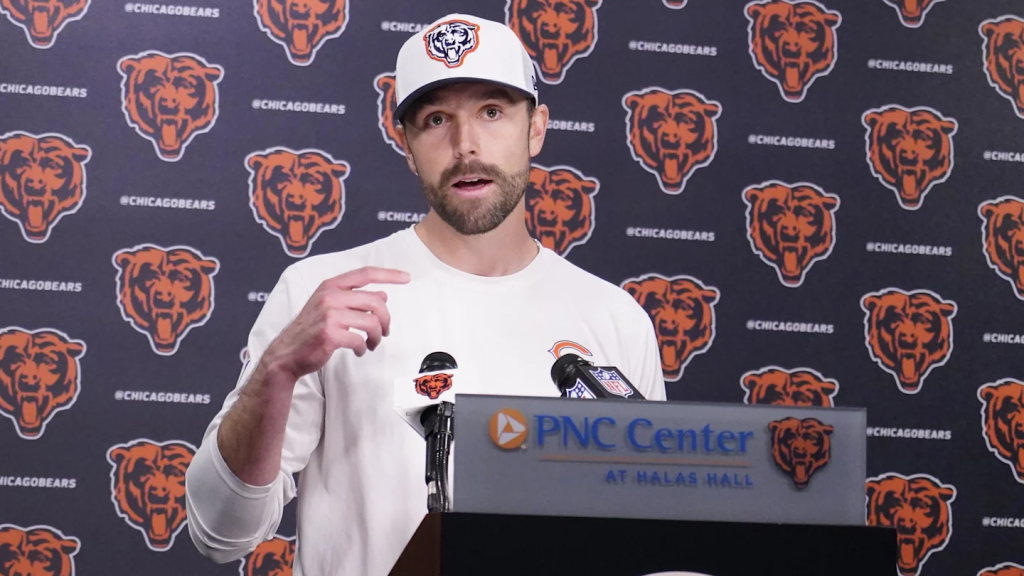
Now comes a decision that could say a lot about how Johnson truly operates as a head coach.
Doyle was Johnson’s first offensive coordinator hire, and the partnership worked. The Bears’ offense surged, Caleb Williams rebounded from a rocky rookie year, Chicago won the NFC North, and the team pushed into the divisional round. That success brought attention—and eventually, poaching.
Replacing a coordinator after winning is rarely simple. Replacing one while developing a young franchise quarterback is even harder.
That’s why a familiar name is resurfacing.
Former Jets offensive coordinator Tanner Engstrand has emerged as a potential candidate, and the connection runs deeper than convenience.
Engstrand spent years working under Johnson in Detroit, most recently as the Lions’ passing game coordinator. When Aaron Glenn was hired as the Jets’ head coach, he brought Engstrand with him. One year later, Engstrand is out—collateral damage from an offense that never stabilized.
But context matters.
The Jets’ offensive collapse had more layers than one coordinator. Personnel issues, quarterback instability, and organizational turbulence all played a role.
Inside league circles, Engstrand’s dismissal hasn’t erased the respect he earned during his Detroit years. More importantly, Johnson knows exactly who he is—and what he’s not.
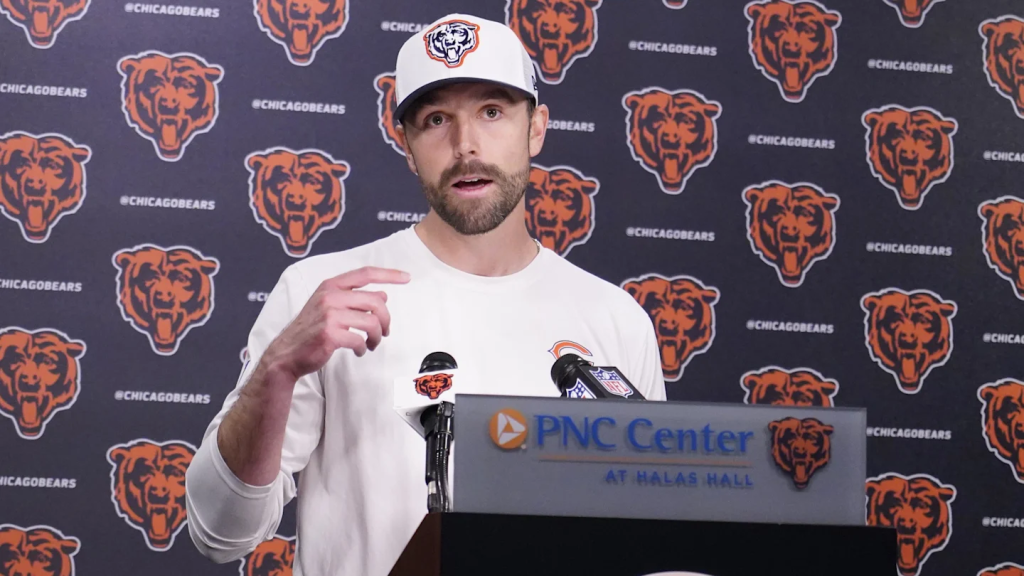
That familiarity may be the point.
Johnson is no longer the fast-rising coordinator proving himself. He’s a division-winning head coach tasked with protecting momentum. Bringing in someone he already trusts, who understands his system and communication style, reduces friction at a time when continuity matters most.
Still, Engstrand isn’t the only path.
Johnson’s first OC hire came from the Sean Payton coaching tree, and that well hasn’t dried up. Joe Lombardi, formerly Denver’s offensive coordinator, remains available. Broncos quarterbacks coach Davis Webb—another Payton disciple—is also a name to watch, though his demand around the league may keep him in Denver.
There’s also a more understated option: looking inward.
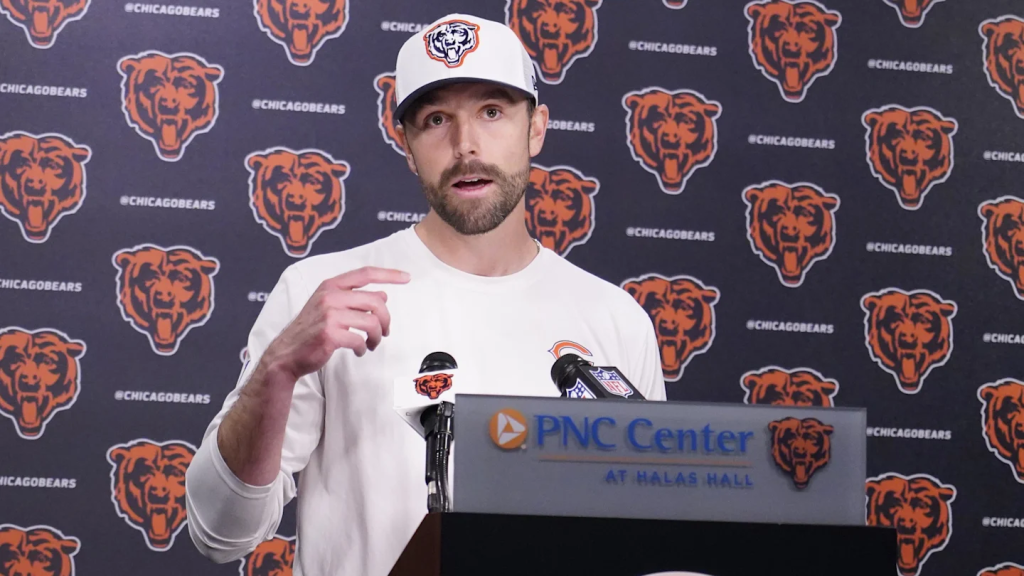
Johnson built a strong initial staff in Chicago, and internal promotion would send a message about stability and development. Antwaan Randle El has grown into a trusted voice.
Press Taylor continues to shape the passing game. JT Barrett works closely with Caleb Williams and understands his growth curve as well as anyone in the building.
Each option carries a different philosophy.
Hiring Engstrand would signal trust in familiarity and shared history. Going back to the Payton tree would suggest Johnson values structured lineage.
Promoting from within would emphasize belief in the culture he’s already built.
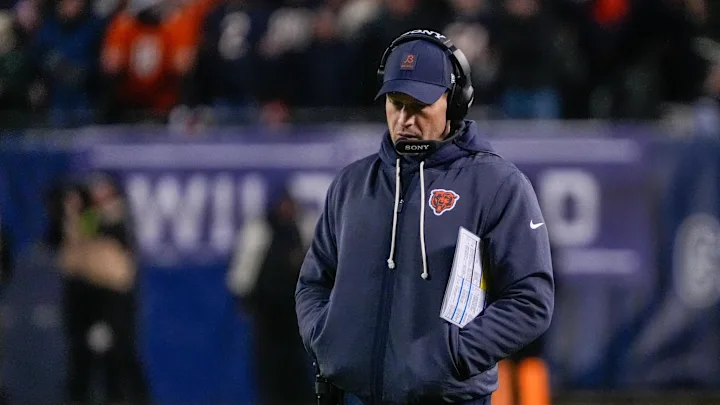
What makes the choice so delicate is Caleb Williams.
The Bears finally have momentum at quarterback, but it’s still fragile. Williams improved dramatically in Year 2, yet the leap from promise to consistency is where many young quarterbacks stall.
The next offensive coordinator won’t just install schemes—they’ll help define Williams’ ceiling.
That’s why this hire feels bigger than a name on a staff list.
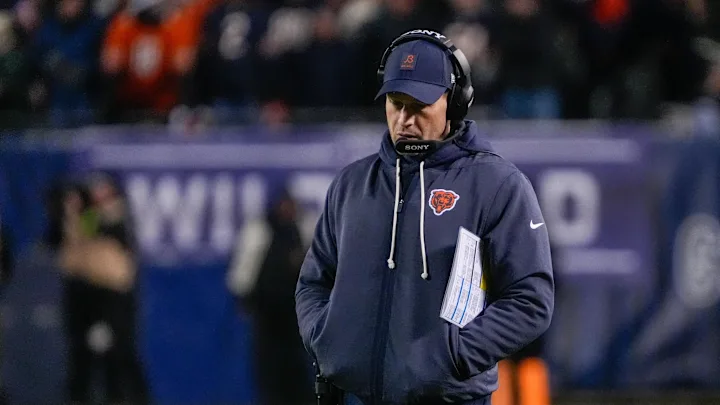
Johnson doesn’t need a playcaller. He needs a partner who won’t disrupt his vision, challenge it publicly, or slow it down. Whether that comes from a fired coordinator seeking redemption or a trusted voice already in the room remains to be seen.
What’s clear is this: the Bears are no longer experimenting.
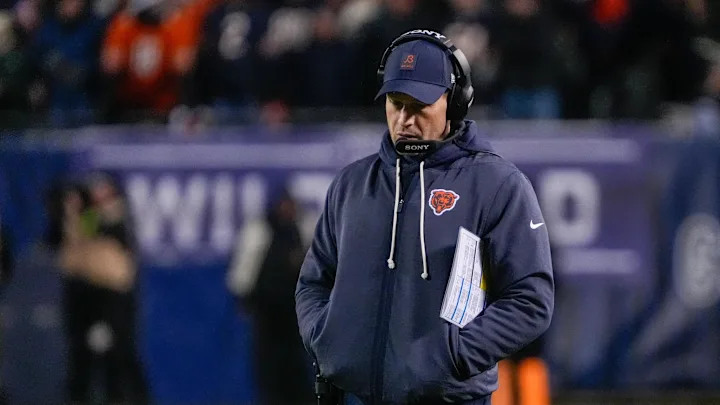
They’re protecting something that’s finally working.
And the way Ben Johnson chooses to replace Declan Doyle may quietly reveal just how confident he is in the foundation he’s built.
Leave a Reply