Team Japan’s World Baseball Classic roster announcement should have felt definitive.
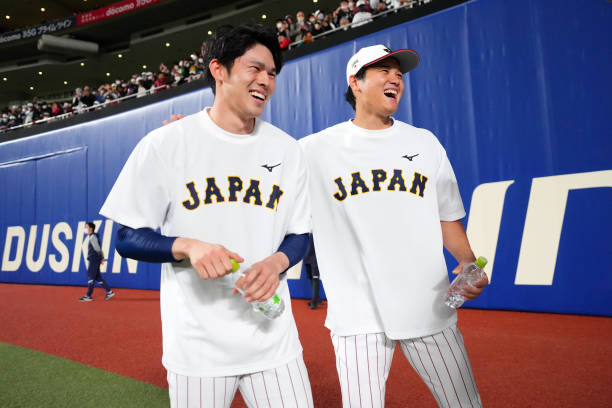
The names were familiar. The talent unquestioned. Shohei Ohtani. Yoshinobu Yamamoto. Seiya Suzuki. Munetaka Murakami. A lineup built to defend a title and remind the world why Japan remains baseball’s most complete international power.
And yet, as the list was read in Tokyo, clarity didn’t fully arrive.
It paused.
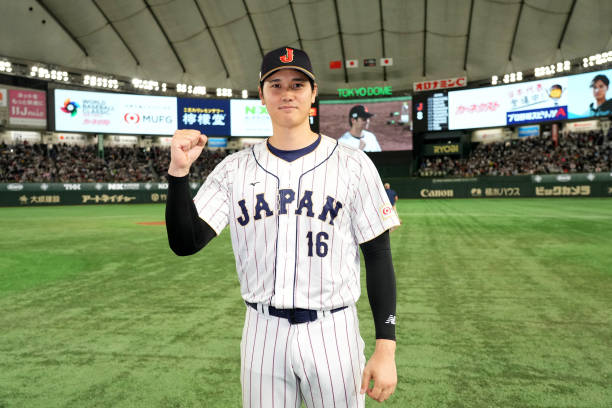
Shohei Ohtani is officially on the roster. That much is settled. He made his intention clear months ago, and no one doubted his commitment after what he delivered in 2023 — a tournament MVP performance capped by a strikeout that froze baseball history in place.
But this time, the conversation isn’t about whether Ohtani will show up.
It’s about how he will be used.
When manager Hirokazu Ibata addressed reporters, he acknowledged what everyone was already thinking: Japan won’t know if Ohtani will pitch until he reports to spring training. The statement was careful. Noncommittal. Strategic.
And that uncertainty now defines everything else.
Japan’s roster is strong even without full clarity on Ohtani’s role. Yamamoto’s presence alone stabilizes the rotation. Position players like Okamoto and Murakami provide balance and power. Veterans and major leaguers blend seamlessly.
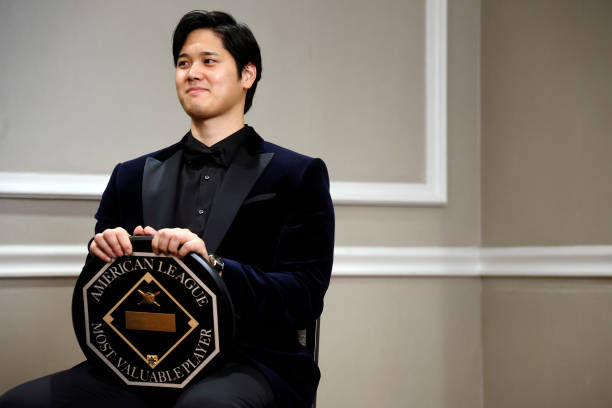
But Ohtani is not additive.
He’s gravitational.
In 2023, Japan didn’t just win because of depth — they won because Ohtani collapsed the margin for error. He dominated as a hitter. He controlled games as a pitcher. He dictated matchups before the first pitch was thrown.
This year, that certainty is gone.
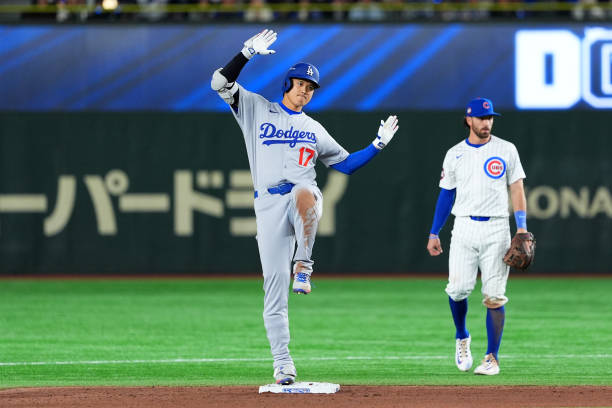
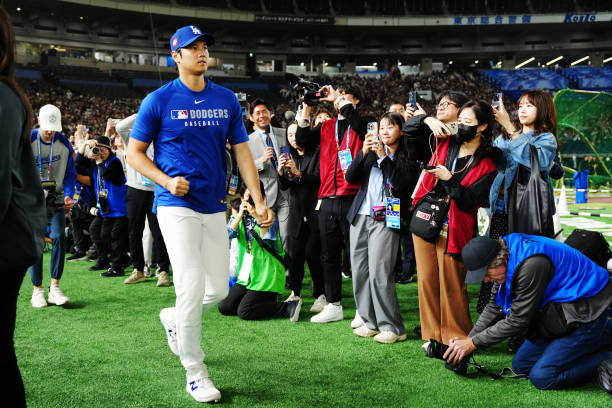
Not because of doubt in his ability, but because of context. A long Dodgers postseason run. A carefully managed workload. A franchise invested in protecting its most valuable asset. Every inning Ohtani throws now carries implications beyond national pride.
That tension showed up quietly in the roster announcement — especially in who wasn’t selected.
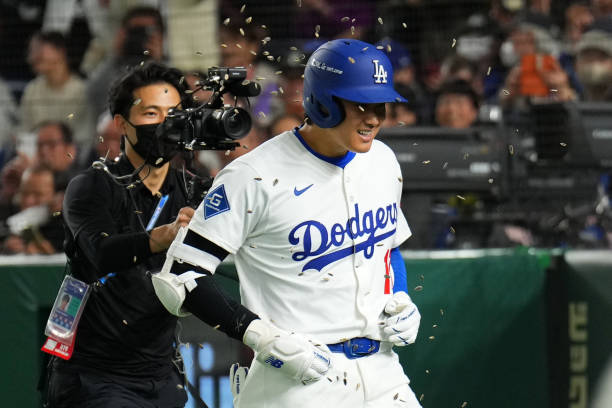
Roki Sasaki, once a centerpiece of Team Japan’s pitching plans, was left off after missing much of last season with a shoulder injury. His absence shifts even more attention toward Ohtani’s potential role, magnifying the consequences of any decision.
Japan isn’t short on talent.
But it is short on redundancy at the level Ohtani occupies.
If he pitches, Japan becomes overwhelming again. If he doesn’t, they remain dangerous — just more human.
And that distinction matters in a tournament defined by narrow margins and short series. The WBC doesn’t reward patience. It rewards leverage.
Ibata’s comments suggest Japan is willing to wait. To adapt. To read the situation rather than force it. That approach reflects confidence — but also restraint.
Because the truth is uncomfortable and unavoidable: Japan’s ceiling still depends on a player whose role hasn’t been defined.
That doesn’t diminish the roster.
It reframes it.
Exhibition games begin March 2. Real games follow quickly. By then, Ohtani’s path may be clearer — or it may remain deliberately opaque.
Either way, the WBC conversation has already tilted.
Not toward who made the team.
But toward the one decision that could tilt the tournament itself.
Japan has named its stars.
Now it waits on its axis.
And until Shohei Ohtani’s role is known, the World Baseball Classic remains — in a quiet but unmistakable way — unresolved.
Leave a Reply