It’s late January. Ballparks are buried under snow. Opening Day still feels distant.
And yet, one of the loudest battles in baseball isn’t happening on a field at all—it’s happening in a conference room, with two numbers that refuse to meet in the middle.
Tarik Skubal, the Tigers’ ace and back-to-back AL Cy Young winner, is locked in an arbitration standoff that has quietly become bigger than Detroit. The gap is almost absurd: Skubal filed at $32 million for 2026. The Tigers filed at $19 million. There’s no compromise built into the system. If it goes to a hearing, he gets one number or the other—nothing in between.
That “all-or-nothing” reality is what turns this from a normal salary dispute into something colder and more unsettling: a coin flip with a $13 million swing, the largest gap arbitration has ever seen.

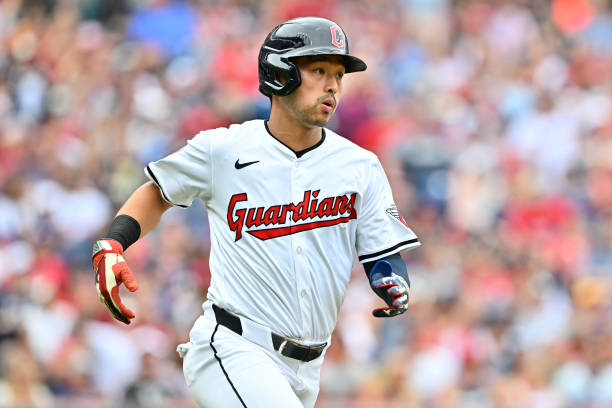
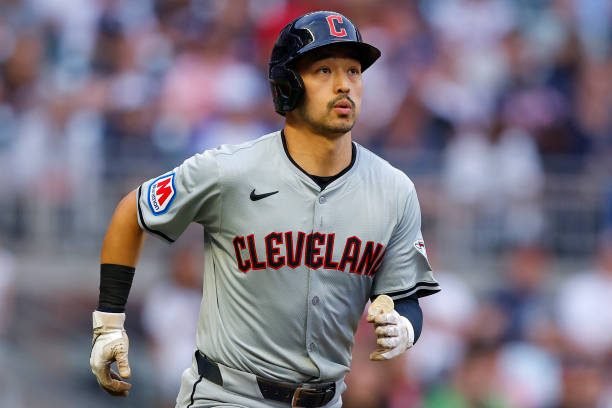
And while fans get distracted by lists, snubs, and offseason noise—like whether Cleveland’s Steven Kwan gets enough national respect—this is the kind of behind-the-scenes fight that can actually shape a season.
Because arbitration isn’t about what a player is worth in the real world. It’s about precedent. Comparables. Control years. A system designed to keep salaries in check until free agency finally arrives.
Skubal’s case is fascinating because he doesn’t fit cleanly into the old boxes. Since the start of 2024, his numbers look almost untouchable: a 2.30 ERA, elite strikeout and walk rates, dominance that forces baseball people to stop pretending it’s “debatable.” When someone is that good, arbitration starts to look less like a process and more like a performance—two sides forced to argue reality with a rulebook from another era.
Skubal and his camp appear to be leaning into a rarely used CBA clause tied to “special accomplishments,” a route that could allow broader comparisons than typical arb cases. It’s a bold move—one that suggests this isn’t just about his paycheck. It’s about pushing the ceiling for the next wave of elite starters.

That’s where this gets bigger than Detroit.
If Skubal wins at $32 million, it could reset expectations for future arbitration stars—especially frontline pitchers who are clearly worth far more than the pre-free-agency scale allows. Think about what that means for the next generation, the next ace who arrives too early to cash in but too dominant to ignore.
But here’s the darker layer: even if Detroit insists this is “just business,” hearings can leave scars. Arbitration is notorious for forcing teams to highlight a player’s flaws to justify paying less. Sometimes that bad blood doesn’t show immediately. Sometimes it sits, quietly, until the day free agency opens—and the player remembers exactly how he was described when he wanted to be valued.
Skubal is set to hit free agency after 2026 anyway. The outcome may not change that timeline. But it can shape how the Tigers behave right now—and that’s where the ripple becomes real.
Multiple insiders believe Detroit’s offseason has been stuck in a holding pattern, waiting to see whether Skubal costs $19 million or $32 million before deciding how aggressive to get. That kind of uncertainty freezes decisions, delays upgrades, and quietly explains why a team that was close last October looks oddly restrained in January.
The cruel irony is obvious: if Skubal truly is generational, then wasting even one year of his prime because of accounting uncertainty feels like the kind of mistake franchises regret for a decade.
And that’s the question hanging over everything—not a ranking list, not a snub, not a social media debate.
Is Detroit building around Skubal like he’s the future… or treating him like a bill they’re trying to manage?
Because once a player realizes he’s being priced instead of prioritized, the season changes tone—sometimes without anyone noticing until it’s too late.
Leave a Reply