From the outside, the Blue Jays’ offseason feels settled.
The money has been spent. The rotation looks formidable. And the calendar is quietly inching toward spring training.
But inside the organization, the sense of finality may be an illusion.
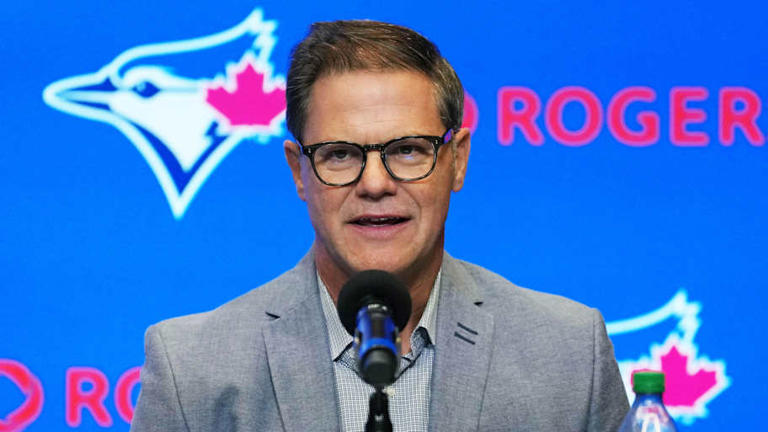
Toronto entered the winter intent on making noise — and while committing more than $300 million to pitching hardly qualifies as timid, the offseason never quite unfolded the way the front office imagined. The pursuit of Kyle Tucker ended painfully, another reminder that finishing second in the superstar race doesn’t change the standings.
After that, the market thinned fast.
Dylan Cease never materialized. Cody Bellinger came and went. Harrison Bader found a home elsewhere. And with Framber Valdez unlikely to be an option, the remaining paths narrowed considerably. On paper, the Blue Jays look done.
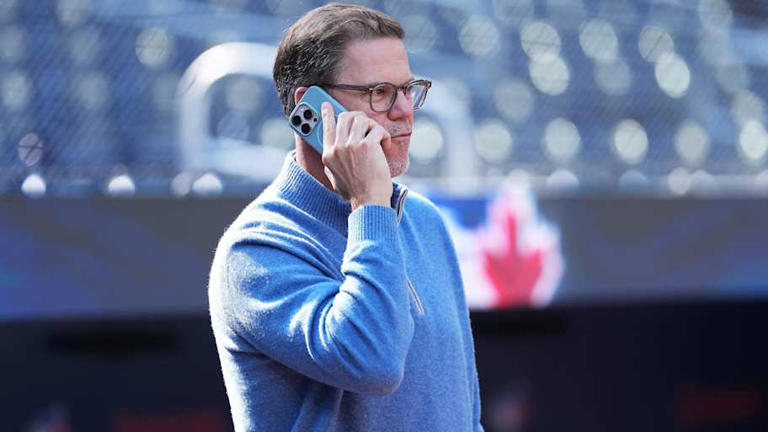
History suggests that’s rarely when Ross Atkins stops thinking.
The most obvious question mark remains the outfield. Not because it lacks talent — but because it lacks certainty. Anthony Santander’s health continues to hover over roster construction, and while internal options exist, none offer the kind of insurance that quiets a front office heading into a title defense.
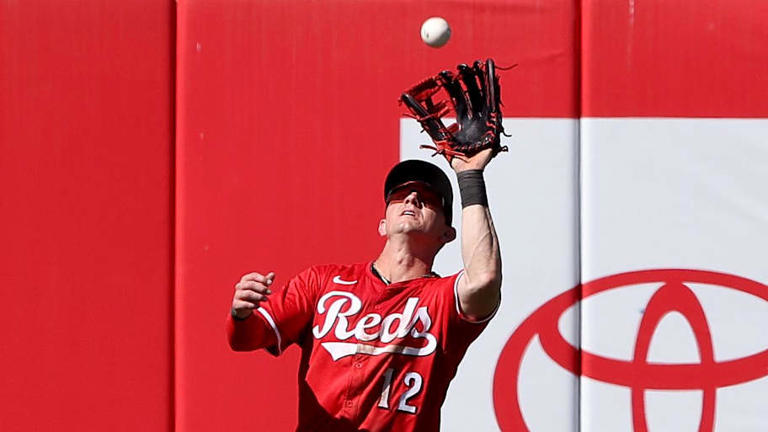
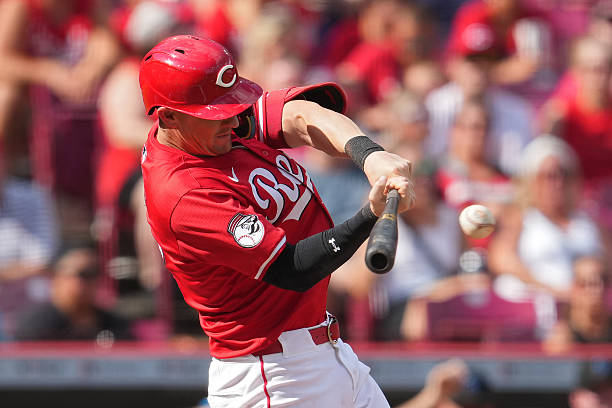
That’s where a name like Austin Hays lingers.
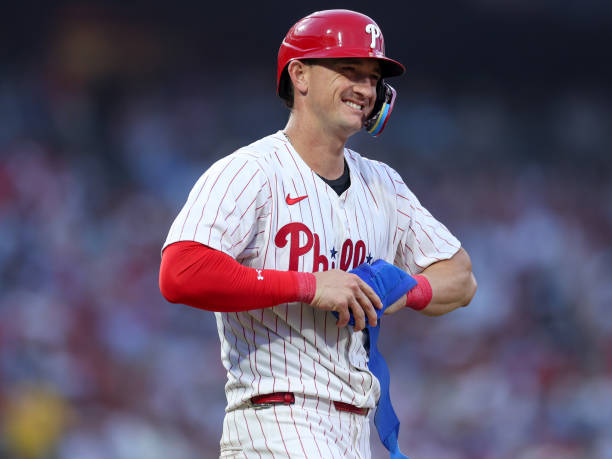
Hays isn’t a headliner. He doesn’t change the franchise narrative. But that’s precisely what makes him interesting at this stage. A one-year commitment. A right-handed bat with pop. A capable defender who can absorb innings without demanding them.
In 2025, Hays played 103 games for Cincinnati and posted a .266/.315/.453 line with 15 home runs and 64 RBIs — numbers that don’t excite headlines but do stabilize lineups. For a team balancing ambition with restraint, that kind of move fits the moment.
The question isn’t whether Toronto needs him.
It’s whether Toronto is comfortable pretending it doesn’t.
Because there’s another layer to this conversation that hasn’t been fully acknowledged. The Blue Jays already proved they could reach the World Series without Bo Bichette in the lineup. That reality changed how the front office views risk. Signing Kazuma Okamoto helped soften the blow of Bichette’s departure — at least philosophically — but transitions like that rarely happen without friction.
What Toronto has built instead is a roster that leans heavily on pitching dominance. One of the deepest staffs in baseball. A group capable of shortening games, controlling October, and masking offensive inconsistency.
That strategy can work.
It already has.
But it leaves little margin for error.
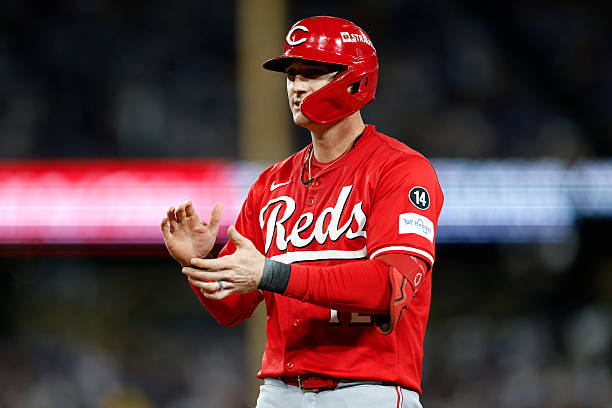
A minor injury. A slow start. A platoon mismatch at the wrong time — and suddenly the absence of depth becomes visible. That’s why the idea of “one more move” keeps resurfacing. Not because the Jays are desperate — but because they’re close.
And teams that are close tend to get restless.
Atkins hasn’t signaled urgency publicly. But front offices rarely do before late winter signings. These moves happen quietly, framed as depth, then suddenly matter more than anyone expected.
If Toronto does nothing, they’re still legitimate contenders. The defending American League champions didn’t accidentally arrive where they are. The pitching alone could carry them deep into October again.
But championship windows don’t announce when they’re narrowing.
Sometimes they whisper.
And whether the Blue Jays choose to listen — or respond with one final, understated addition — may say more about how confident they really are than any press conference ever could.
Leave a Reply