At first glance, the idea feels obvious.
Framber Valdez is still on the market. The Blue Jays have money, ambition, and a stated willingness to push beyond the luxury tax if the right player emerges.
Valdez is durable, playoff-tested, and among the most consistent pitchers of the last several seasons.
So why hasn’t this already happened?
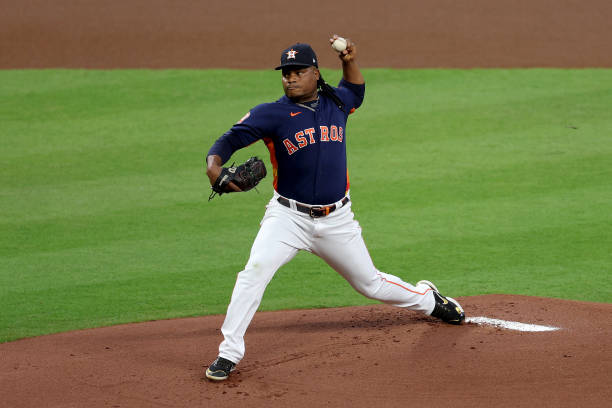
Toronto’s interest in Valdez is real. Meetings were held.
Conversations continued quietly well past the winter meetings. And as February approaches, the connection hasn’t faded. If anything, it’s lingered — carefully, deliberately.
That hesitation is the story.

On the field, Valdez checks almost every box. He keeps the ball in the park. He absorbs innings.
He’s one of only a handful of starters to combine elite workload with elite run prevention over the last few years. Slotting him into a postseason rotation would instantly deepen Toronto’s October options.
But fit isn’t just about talent.
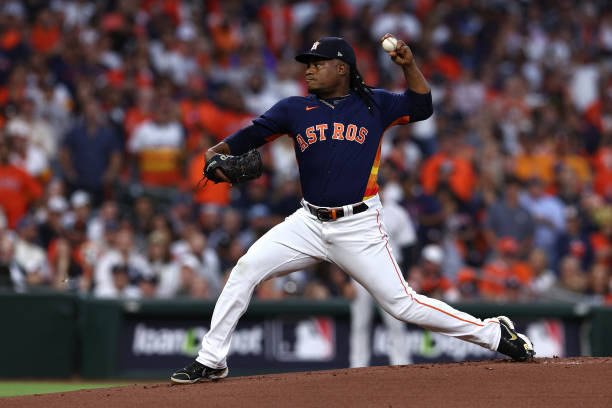
It’s about timing, structure, and risk.
The Blue Jays already made their aggressive move early, committing heavily to Dylan Cease. That deal reshaped the rotation and the payroll.
Adding Valdez now wouldn’t be a statement of ambition — it would be a calculated adjustment, one that only makes sense if the market bends sharply in Toronto’s favor.
And that’s the tension.

Toronto doesn’t appear eager to hand out another long-term pitching contract. A short-term deal with opt-outs could work, but only if Valdez is willing to trade leverage for location.
If the price drops that far, Toronto won’t be alone. Several teams with thinner rotations and clearer openings would rush in.
That raises an uncomfortable question.
If Valdez truly fits everywhere, why is he still unsigned?
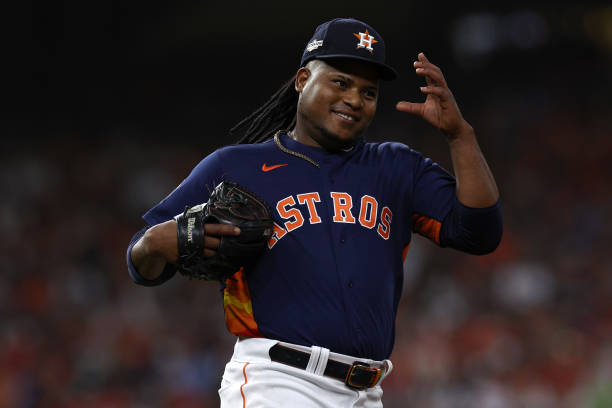
Some around the league point to late-season questions about temperament. Others note that teams may be weighing his mileage more carefully than his résumé suggests.
None of these concerns disqualify him — but they complicate decisions for a club that already believes strongly in its clubhouse structure.
Toronto, by its own admission, believes its culture can absorb almost anyone. But belief doesn’t eliminate consequence.
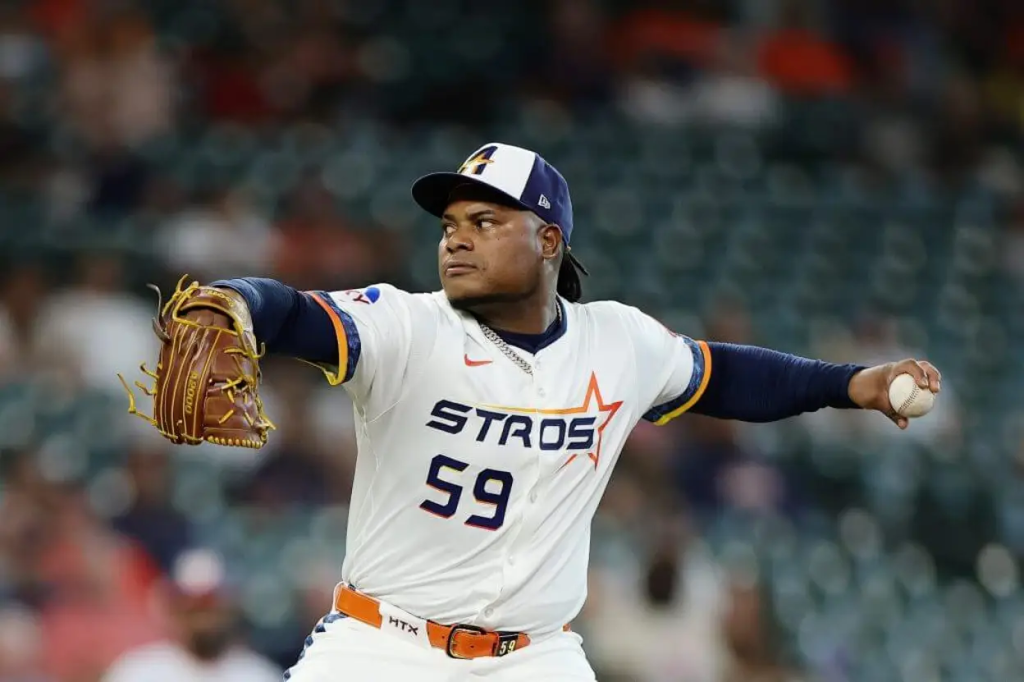
The biggest obstacle isn’t personality or price.
It’s math.
The Blue Jays are already crowded. They’ve built rotation depth intentionally, knowing injuries and fatigue are inevitable. Yet depth cuts both ways.
Six or seven viable starters for five spots create internal pressure, role confusion, and trade implications. Adding Valdez would force clarity — and possibly uncomfortable decisions — faster than the front office may want.
Health could resolve some of that. There are real questions. Not every arm is a lock to be ready. Spring training always reshapes plans. But Toronto didn’t stockpile pitching by accident.
They did it to avoid desperation.
Signing Valdez would be leaning into it.
That doesn’t make it wrong. It makes it complicated.
If Toronto moves, it will likely be because something shifts — medically, financially, or strategically. Perhaps a setback opens a door. Perhaps the market collapses further.
Perhaps Valdez decides fit matters more than leverage.
Until then, the Jays remain where they’ve been all winter: watching, waiting, calculating.
Valdez would make them better.
He would also force decisions they’ve been delaying.
And that’s why this conversation hasn’t gone away — but also hasn’t gone anywhere.
Sometimes the hardest moves aren’t about talent.
They’re about timing.
Leave a Reply