At first, it sounds like ambition.
But listen closely, and it feels more like timing.
“I want to manage the Olympic team.”
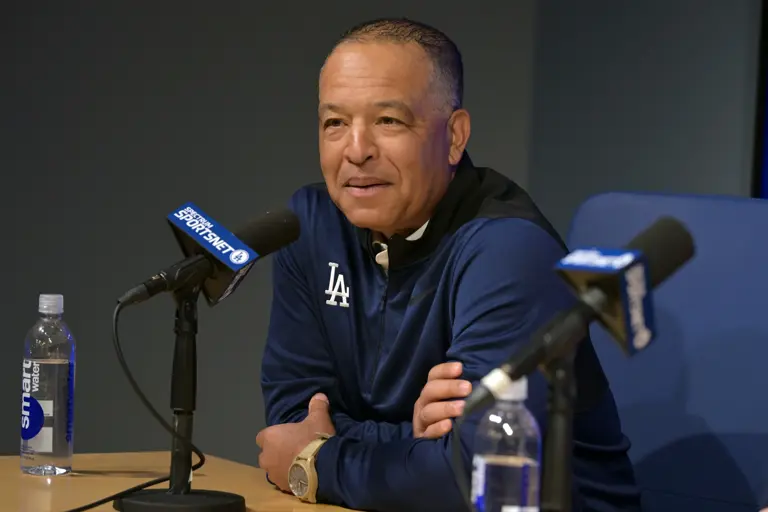
Dave Roberts didn’t hedge. He didn’t soften the message. In a sport where future plans are often wrapped in careful language, the Dodgers’ longtime manager said exactly what he meant—and said it out loud.
And that’s what made people pause.
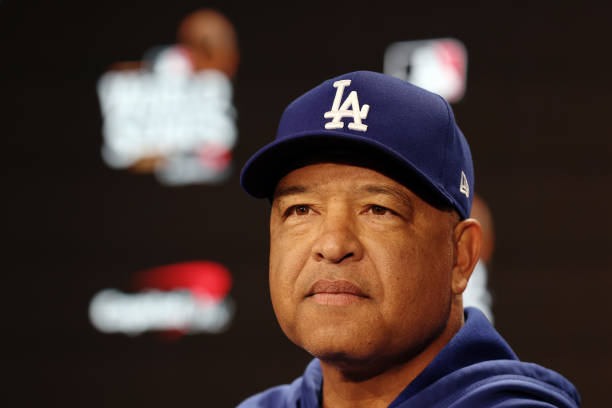
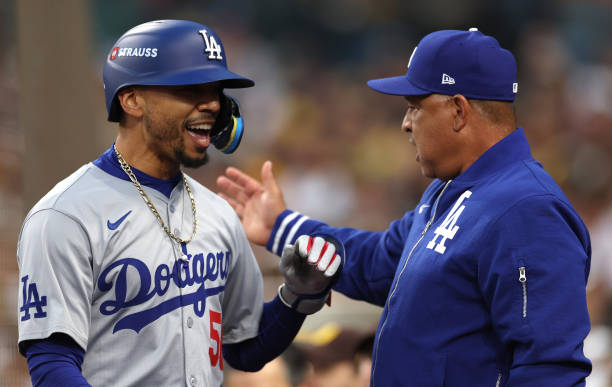
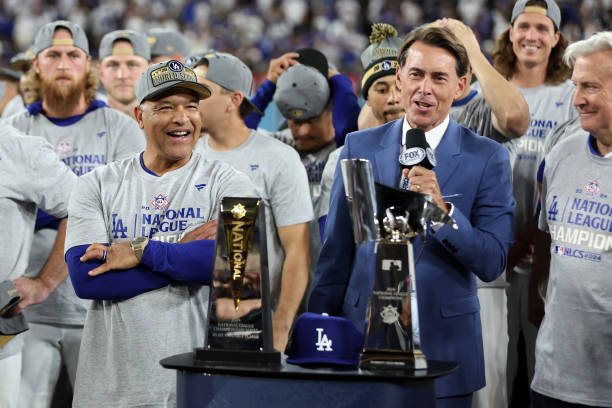
Roberts has spent nearly a decade shaping one of baseball’s most successful modern franchises. Three World Series titles. A reputation for managing stars without losing the room. A clubhouse culture built on trust rather than volume. On paper, he has nothing left to prove in Los Angeles.
Which is precisely why the Olympic conversation feels different.
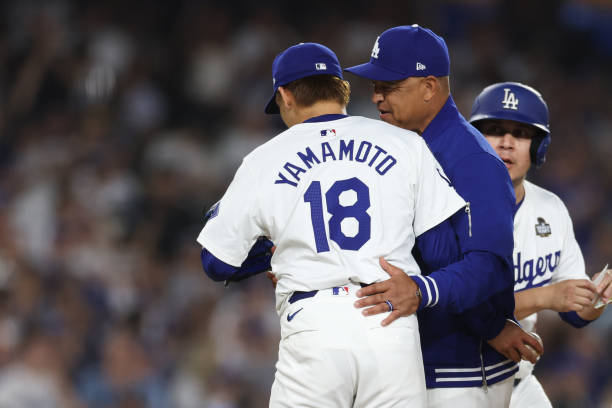
The 2028 Summer Games will be held in Los Angeles—Roberts’ city. Not just the city he manages in, but the city that shaped him. A UCLA alumnus. A fixture in L.A. sports. Someone whose career arc aligns almost too cleanly with the moment.
This isn’t about résumé padding.
It’s about legacy.
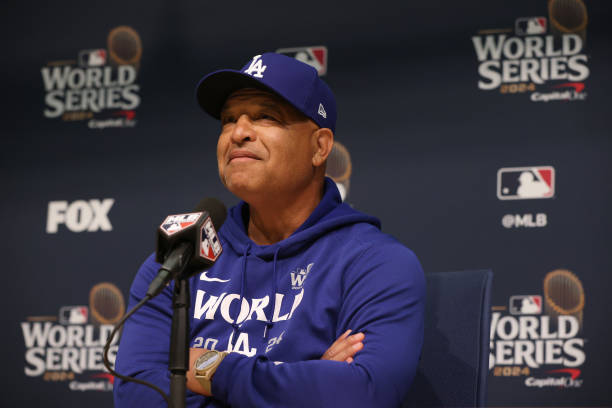
Managing Team USA at a home Olympics isn’t a normal job. It’s symbolic. It’s political. It’s cultural. It’s a rare intersection where baseball steps outside its domestic bubble and asks to be seen globally—on equal footing with the world’s biggest sports.
And Roberts understands that stage better than most.
His case isn’t built solely on championships. It’s built on adaptability. On handling egos compressed into short windows. On creating buy-in quickly—something international tournaments demand more than long seasons ever do.
That’s why his interest landed with weight.
Because Olympic baseball has always carried a quiet tension. Historically, Team USA hasn’t been able to bring its best. The MLB calendar has been the barrier—forcing rosters filled with college players and minor leaguers while the sport’s biggest names stayed home.
But 2028 might break that pattern.
A growing number of MLB stars have already hinted at participation. Behind the scenes, scheduling conversations are shifting. Commissioner Rob Manfred has signaled openness to solutions, including an extended All-Star break. Not radical change—just enough flexibility to make something unprecedented possible.
A full-strength Team USA.
If that happens, the manager choice becomes critical. This wouldn’t be a developmental roster. It would be a room full of elite professionals, global stars, and competing priorities.
That’s where Roberts’ appeal sharpens.
He’s spent years navigating exactly that environment. Balancing personalities. Selling patience. Managing expectations without force. His Dodgers teams didn’t just win—they stayed aligned under constant pressure.
That skill set translates.
There’s also history humming beneath the surface. The last time Team USA won Olympic gold in baseball was 2000—under Tommy Lasorda, another Dodgers icon. The symmetry is hard to ignore. Another Dodgers manager. Another home Olympics. Another chance to reassert American baseball on its own soil.
But this isn’t nostalgia driving the conversation.
It’s opportunity.
Roberts has framed his interest as service, not status. A desire to showcase the sport. To elevate baseball’s place in the Olympic narrative. To give players a reason to say yes.
Still, nothing is guaranteed.
Olympic roles are political by nature. Timing, league cooperation, and player availability all remain moving pieces. But by stating his intention early, Roberts did something strategic: he entered the conversation before it formed around someone else.
And that may be the most revealing part.
This isn’t a manager looking for a new job.
It’s a leader identifying the one stage his résumé hasn’t touched yet—and deciding it matters.
Whether or not Dave Roberts ultimately stands in the Team USA dugout in 2028, the signal is already sent. Baseball’s Olympic future is being taken seriously.
And this time, the ambition isn’t quiet.
Leave a Reply