At first, it sounds patriotic. Almost irresistible.
Major League Baseball players at the Olympics. Los Angeles hosting. Baseball returning to Dodger Stadium. And Dave Roberts — the Dodgers’ championship manager — stepping forward to lead Team USA in 2028.
“I want to manage the Olympic team,” Roberts said plainly. “In L.A., I want to manage that team.”
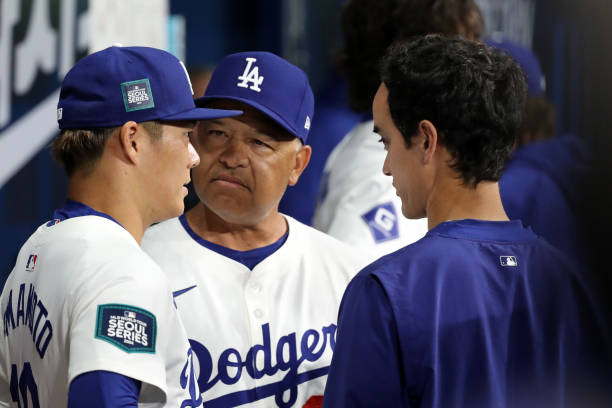
The confidence wasn’t subtle. It wasn’t framed as willingness or availability. It was framed as inevitability.
And that’s where the tone quietly changed.
Roberts laid out his résumé like a closing argument: UCLA graduate. Dodgers manager. Olympic history through the Pan American Games. Deep ties to Los Angeles. A family legacy of military service. Cultural symbolism that mirrors the city itself.

“It’s a no-brainer,” he said.
For some, it sounded like pride.
For others, it sounded like ownership.
The idea of MLB players participating in the Olympics is still fragile — dependent on negotiations between the league, the players’ union, and Olympic organizers. Nothing is finalized. Schedules remain tentative. Star participation is aspirational, not guaranteed.

Yet Roberts is already speaking as if the decision has been made.
That confidence has sparked an undercurrent of discomfort among observers who believe the Olympic team should be bigger than any one figure, no matter how decorated. The Olympics, after all, are supposed to suspend professional hierarchies, not reinforce them.
Roberts’ argument isn’t without merit. He has won. He commands respect. He understands the pressures of elite athletes. He knows Dodger Stadium better than anyone. And yes, he embodies the multicultural identity Los Angeles loves to celebrate.

But the question emerging isn’t about qualifications.
It’s about timing.
By inserting himself so early — before agreements are signed, before players are confirmed, before the structure is finalized — Roberts has effectively centered the conversation on himself. Not maliciously. Not dramatically. Just… decisively.
That subtle shift matters.
Because Team USA isn’t the Dodgers. It isn’t Los Angeles’ brand extension. It’s a national symbol, meant to balance star power with collective purpose. Declaring oneself “the most relevant” person for the job may win headlines, but it risks flattening the spirit the Olympics claim to represent.

Especially when names like Shohei Ohtani and Bryce Harper are already hovering in the conversation — players whose presence alone could redefine Olympic baseball. Their participation would demand careful management, diplomatic sensitivity, and a willingness to share the spotlight.
Roberts, intentionally or not, has framed the role as a personal culmination.
The league, meanwhile, remains cautious. MLB has historically resisted pausing its season. International competition has always existed on the margins. The new Olympic schedule helps, but it doesn’t erase institutional hesitation.
In that context, Roberts’ certainty feels almost premature.
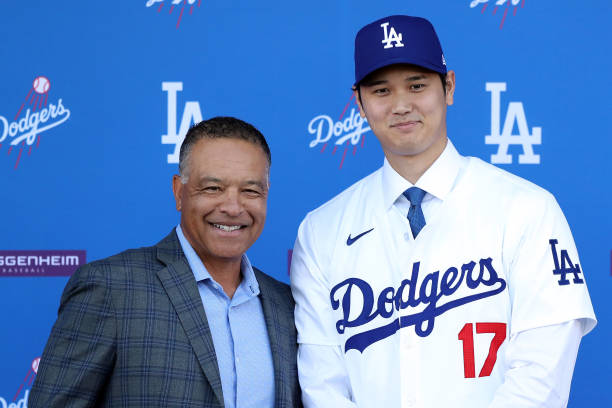
Not arrogant. Not wrong. Just unusually forward.
The irony is that his strongest case — leadership, experience, credibility — might have landed more cleanly had he waited for the moment to come to him.
Instead, he claimed it.
And now the baseball world is left with a quieter question than whether Dave Roberts can manage Team USA:
Should the Olympic story begin with one man’s declaration — or with a broader conversation that hasn’t happened yet?
The answer won’t be shouted.
But it’s already being considered.
Leave a Reply