There’s no announcement. No farewell tour. No definitive timeline.
Just conversations — and a growing sense that the San Diego Padres are bracing for an answer they can’t control.
Padres general manager AJ Preller confirmed this weekend that discussions with Yu Darvish remain ongoing, with no clarity yet on whether the veteran right-hander plans to return for the 2026 season or step away entirely.
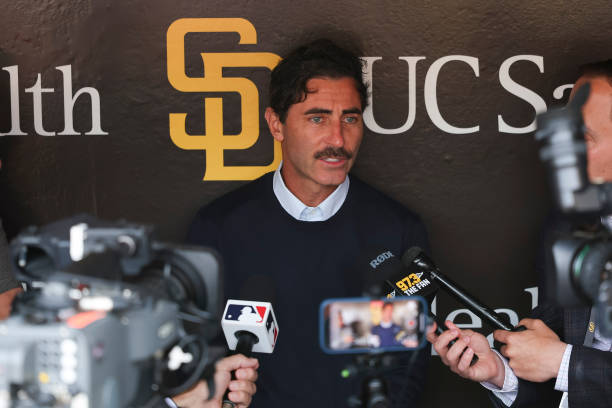
Preller’s words were careful, respectful, and revealing in what they didn’t promise.
Darvish, he said, has been “super clear” about one thing: he won’t do something his heart isn’t in.
That single line changes the tone of everything.
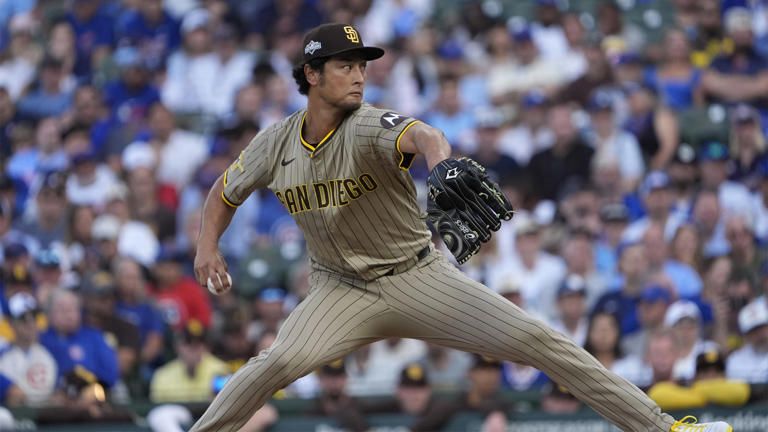
This isn’t about mechanics, rehab, or contracts. It’s about motivation. And when a franchise pitcher frames his future that way, the organization is left waiting — not negotiating.
Darvish finished 2025 with a 5.38 ERA, a number that hardly captures his value or his complexity. The Padres reached the postseason, leaned heavily on pitching all year, and still fell short against the Chicago Cubs.
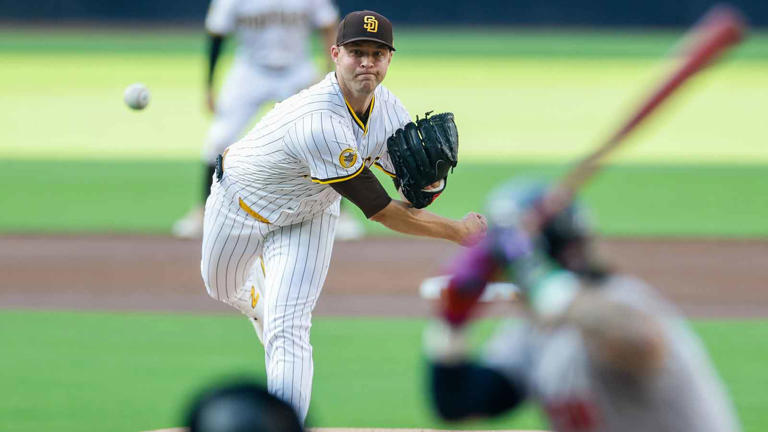
For a competitor like Darvish, that kind of ending invites reflection rather than automatic return.
And reflection takes time.
For San Diego, time is the one resource they don’t fully have.
The Padres enter 2026 already navigating change. Dylan Cease is gone, signing a massive deal with Toronto.
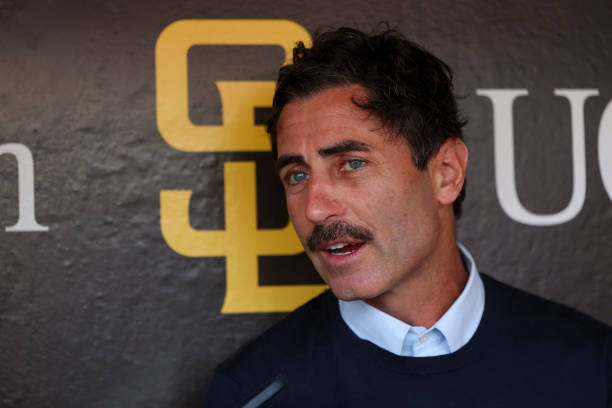
Michael King was retained, providing some continuity, but the rotation no longer has the same margin it once did.
That’s why San Diego has been linked to arms like Framber Valdez and Zac Gallen — not as luxury additions, but as potential necessities.
Darvish’s indecision quietly dictates those pursuits.
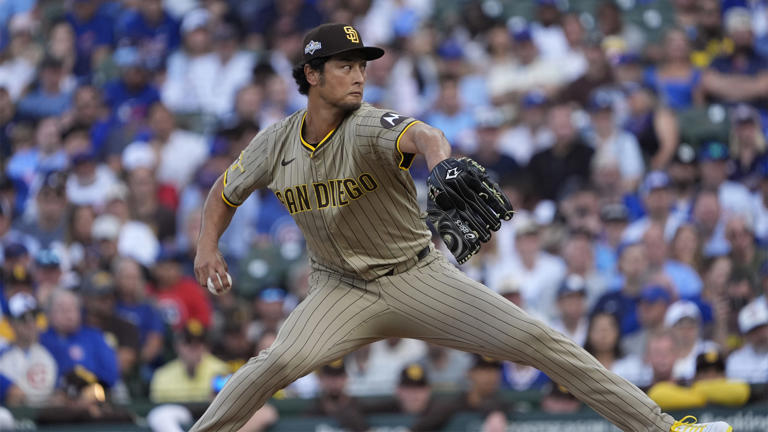
If he returns, the Padres can be selective, targeted, patient. If he doesn’t, they’re suddenly replacing more than innings.
They’re replacing leadership, experience, and a stabilizing presence that shaped their pitching identity.
Preller acknowledged the uncertainty without dramatizing it, saying the team hopes for more clarity in the coming weeks. That phrasing matters. Hope suggests outcome is out of their hands.
Darvish has earned that autonomy.
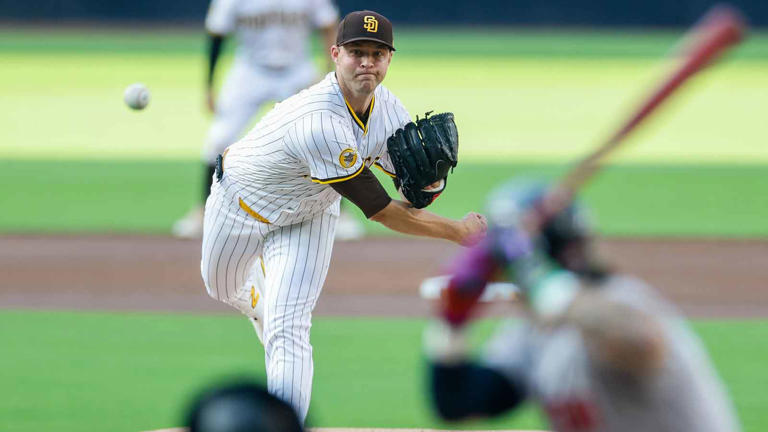
Over a career defined by reinvention, cross-cultural pressure, and elite peaks, he’s never been just another arm.
His presence in San Diego carried weight beyond performance — particularly for a team built on pitching to survive in a division dominated by the Dodgers.
In 2025, that strategy worked. Ninety wins. A playoff berth. Second place in the NL West. But Los Angeles surged past everyone again, and the gap remains.
Now the Padres face a quieter challenge: building a rotation while waiting on a decision rooted in personal conviction, not competitive leverage.
There’s something admirable about Darvish’s stance. In a sport where players often push beyond exhaustion, he’s drawing a line.
The problem for San Diego is that lines like that don’t align neatly with roster planning.
Spring training approaches. Games will start. And somewhere between now and then, the Padres need to know whether one of their most important pitchers still sees himself on the mound.
Until then, they prepare for both possibilities — a return that stabilizes everything, or an exit that accelerates transition.
Neither outcome is framed as failure.
But one would force the Padres to move faster than they’d prefer.
Yu Darvish isn’t delaying a decision to gain leverage. He’s taking time to listen to something harder to quantify.
And in doing so, he’s quietly shaping the Padres’ 2026 season before a single pitch is thrown.
Leave a Reply