The Super Bowl is supposed to be about certainty.
By this point in the season, narratives feel settled. Stars are defined. Matchups are dissected. Confidence replaces doubt.
Yet, with one week remaining before the Seattle Seahawks and New England Patriots meet on football’s biggest stage, uncertainty has crept quietly back into the conversation.
And it starts at quarterback.
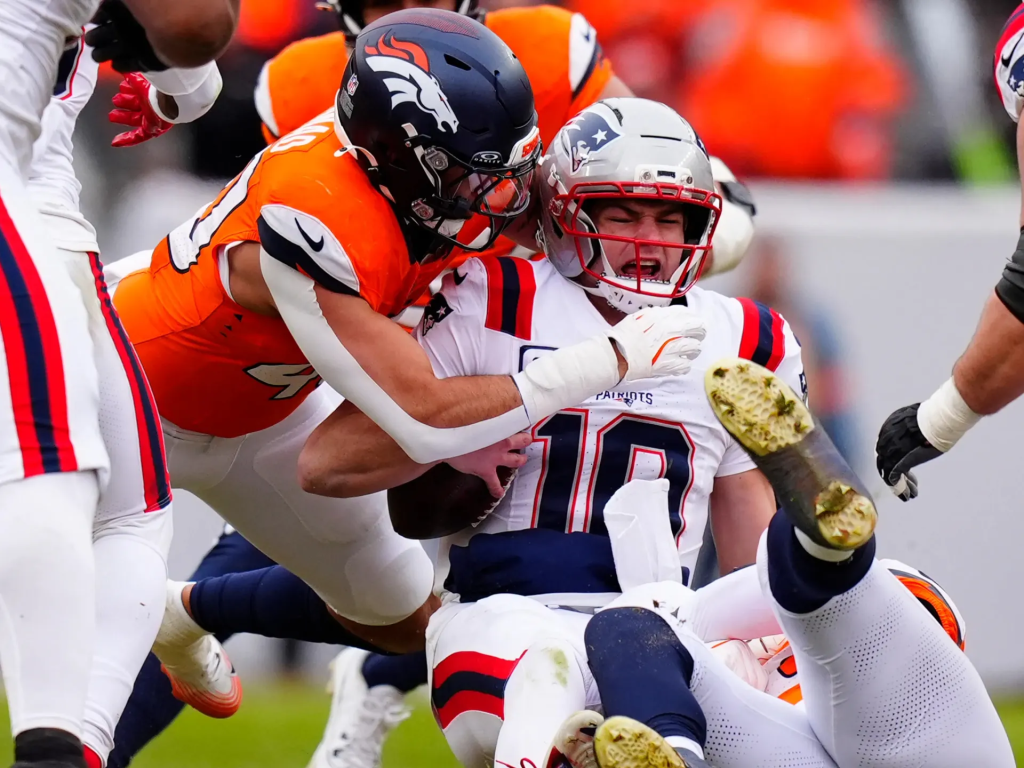
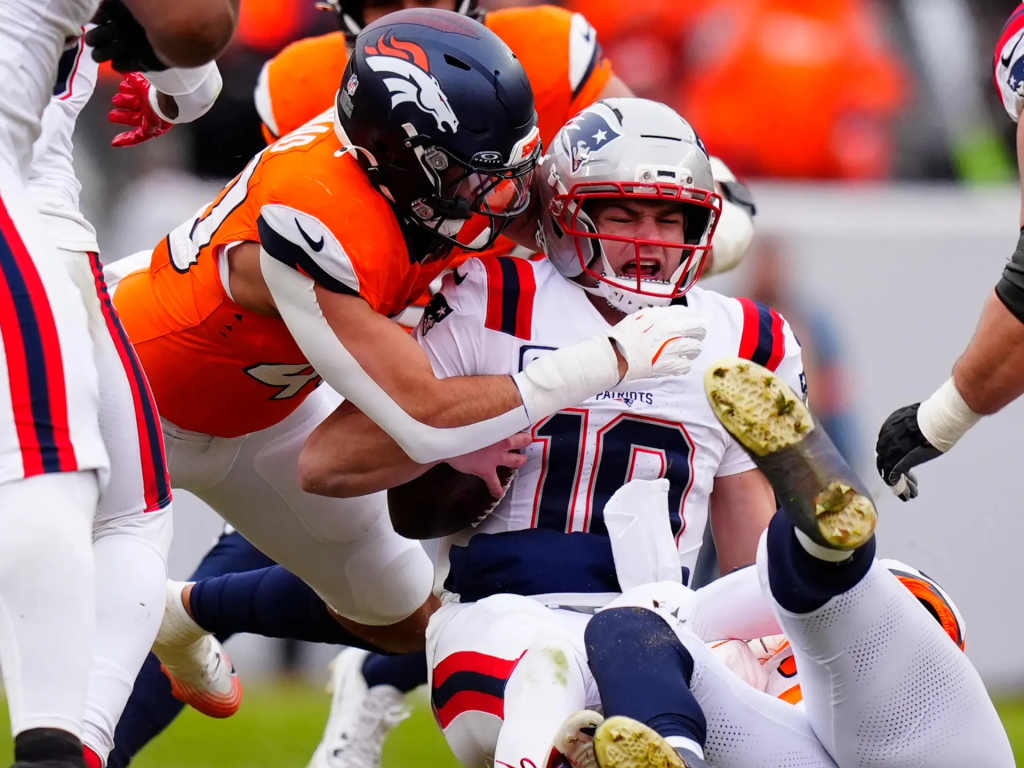
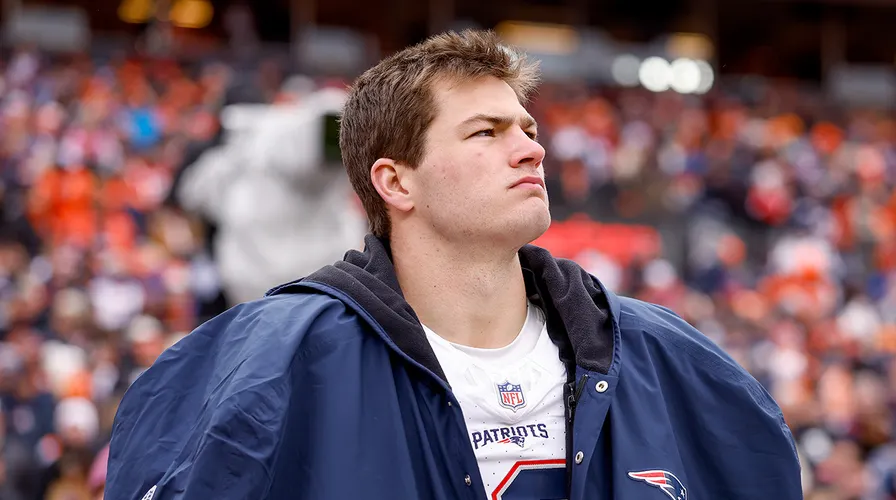
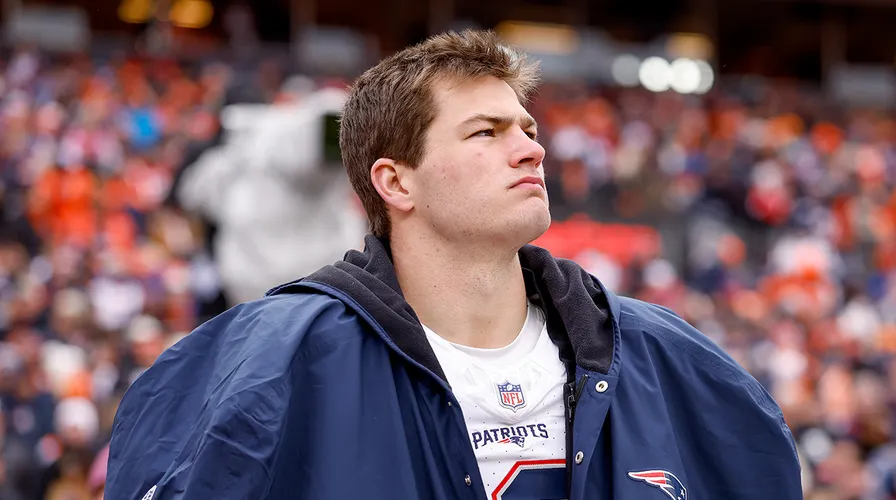
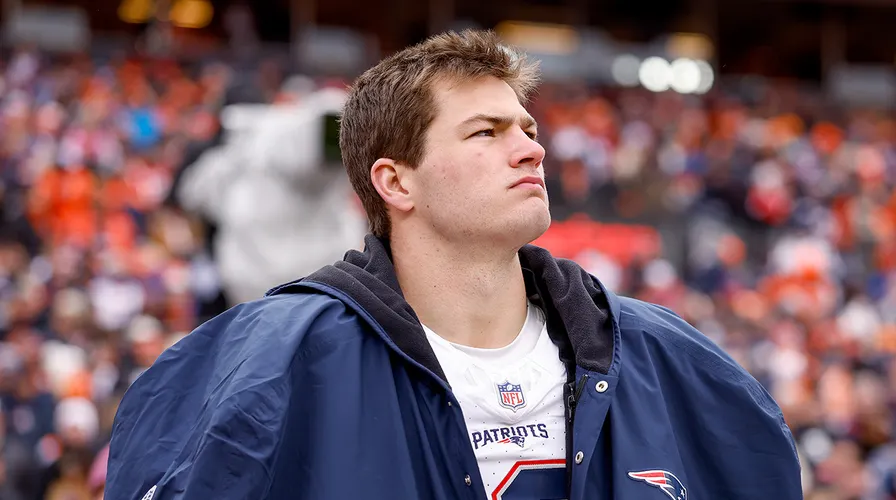
Drake Maye’s name now sits at the top of the Super Bowl injury watchlist, a development that subtly but profoundly changes how this matchup is being viewed.
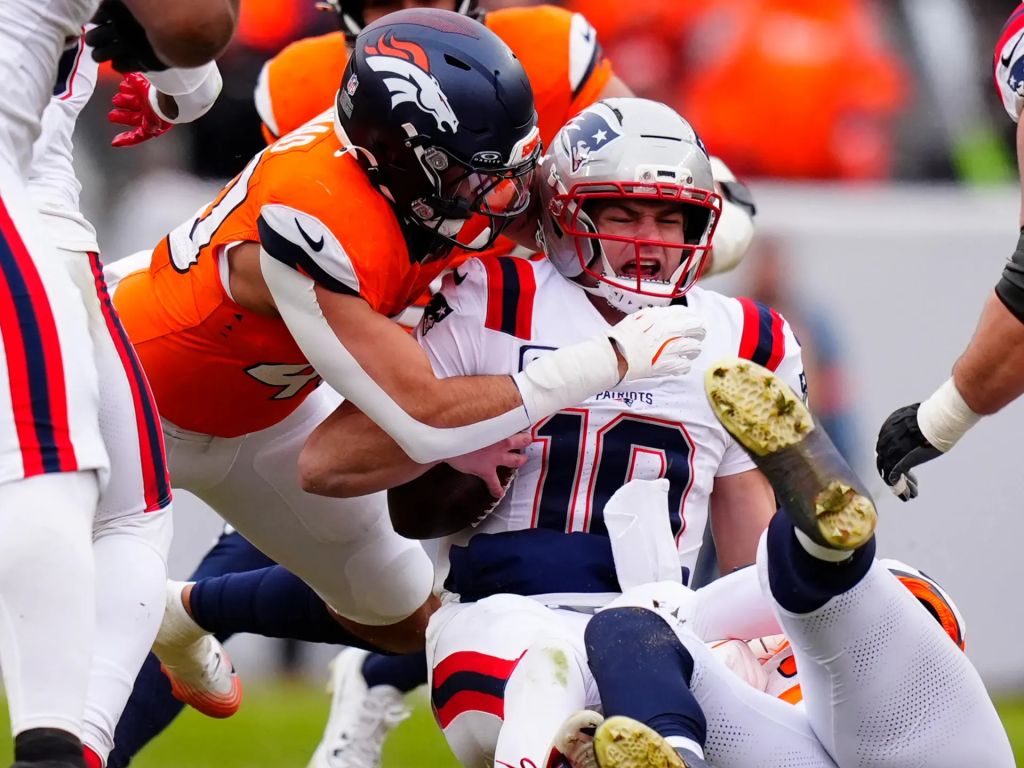
Officially, the Patriots’ quarterback missed Friday’s practice due to a shoulder injury and an illness. The illness is expected to pass. The shoulder is another matter entirely.
Maye’s entire postseason run has been built on composure, mobility, and fearless decision-making.
Those traits are precisely what New England will need against an aggressive, disciplined Seahawks defense.
If his throwing shoulder is compromised—even slightly—the margin for error shrinks dramatically.
The Patriots have contingency plans. Joshua Dobbs and Tommy DeVito are listed as the next options. But contingency is not comfort.
The idea that New England’s Super Bowl hopes could hinge on Maye’s recovery adds a layer of quiet tension that wasn’t supposed to be here.
Across the field, Seattle has its own injury question at quarterback, though it carries a different tone.
Sam Darnold continues to manage an oblique injury that has followed him since the Divisional Round.
Unlike Maye, Darnold has played through it successfully, including his best performance of the season in the NFC Championship win over the Rams.
There’s no immediate concern about his availability, but the injury remains a variable—especially in a game where movement outside the pocket and late-game durability matter.
Seattle’s depth behind him, with Drew Lock and rookie Jalen Milroe, provides insurance, but the Seahawks’ confidence is clearly built around Darnold being functional, not flawless.
Beyond the quarterbacks, New England’s offense carries additional question marks that could quietly shape the game plan.
Tight end Hunter Henry received an early questionable designation after being limited in practice. While rest appears to be the primary reason, even a slight limitation could ripple through the Patriots’ offensive structure.
Henry has been a stabilizing presence for Maye, particularly in high-pressure situations.
If his snaps are reduced, Austin Hooper would likely see an expanded role—an adjustment that may not be seamless against Seattle’s linebackers.
Then there’s wide receiver Mack Hollins, who returned from injured reserve ahead of the AFC Championship but remains limited with an abdomen issue.
His availability is less about star power and more about spacing and versatility.
If Hollins can’t play his usual role, the Patriots may lean more heavily on DeMario Douglas and Kyle Williams, quietly reshaping their receiving hierarchy on the sport’s biggest stage.
None of these injuries guarantee absences. None confirm disaster.
But together, they create an unmistakable truth: this Super Bowl is less settled than it appeared a week ago.
Injury reports rarely dominate headlines at this stage. When they do, it’s because something fundamental is at stake. Quarterback health. Offensive continuity. The thin line between preparation and improvisation.
The Seahawks and Patriots will still take the field next Sunday. The spectacle will still unfold. But behind the hype, behind the predictions, decisions are already being influenced in training rooms and practice fields.
The Super Bowl hasn’t started yet.
But its outcome may already be bending—quietly—around who heals in time.
Leave a Reply