As spring training approaches, the Toronto Blue Jays enter 2026 carrying expectations shaped by how close they came to a championship just one season ago.
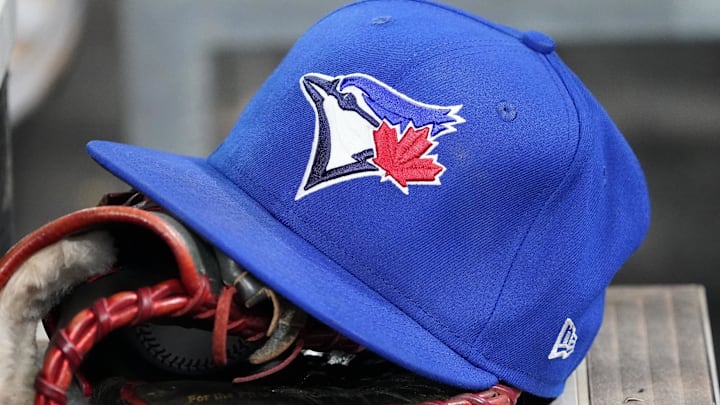
Apr 16, 2025; Toronto, Ontario, CAN; A Toronto Blue Jays hat and glove in the dugout during a game against the Atlanta Braves at Rogers Centre. | John E. Sokolowski-Imagn Images
Toronto was aggressive this winter, acting like a team convinced its window is wide open rather than cautiously cracked.
After falling just short against the Los Angeles Dodgers in the World Series, the Blue Jays focused heavily on strengthening the pitching staff.
Their loudest move was signing Dylan Cease to a massive long-term deal, immediately installing a clear ace atop the rotation.
Cease gives Toronto reliability, durability, and strikeout dominance, all elements that felt missing at critical moments last October.
The bullpen received attention as well, with Tyler Rogers added to provide a unique submarine look in high-leverage situations.
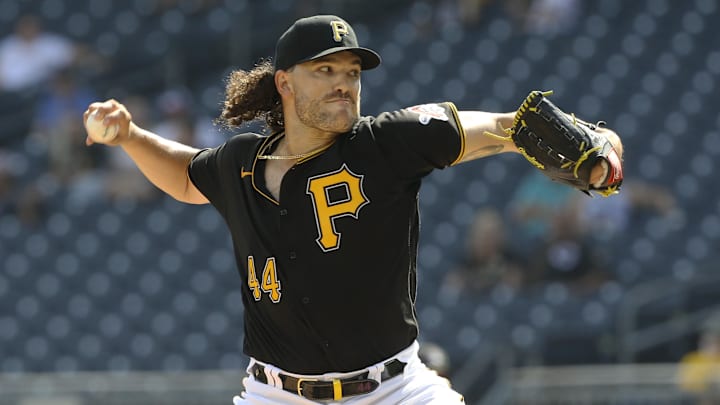
Pittsburgh Pirates starting pitcher Cody Ponce | Charles LeClaire-Imagn Images
Rogers’ arrival stabilizes late innings and shortens games, helping funnel leads toward Jeff Hoffman more consistently.
Yet amid those headline moves, Toronto made another signing that feels quieter but potentially more disruptive.
Cody Ponce returned to Major League Baseball after reinventing himself overseas, and his presence now creates uncomfortable but intriguing questions.
Early in his MLB career with Pittsburgh, Ponce struggled to establish himself as a reliable starter.
That version of him no longer exists.
In Japan, Ponce found rhythm, confidence, and dominance, culminating in a 17–1 season with a 1.89 ERA in 2025.

He didn’t merely succeed overseas; he overwhelmed hitters and earned the equivalent of a Cy Young Award.
Now, he returns to Toronto as a very different pitcher than the one who left Major League Baseball years earlier.
The improvement is real, but the context is complicated.
Toronto’s rotation is already crowded.
Five starters appear locked into roles before Ponce even throws a spring training pitch.

That reality forces the Blue Jays into decisions they didn’t necessarily anticipate when they signed him.
One option is a six-man rotation early in the season, easing workloads while evaluating Ponce against MLB competition.
That solution carries benefits but also disrupts routines pitchers rely on for consistency and preparation.

Another option places Ponce in the bullpen, where his new arsenal could play up in shorter bursts.
Doing so, however, risks wasting the version of Ponce Toronto believes it acquired.
This uncertainty is exactly why he qualifies as the team’s true x-factor.
Cease’s role is clear. Rogers’ role is defined. Their outcomes, while variable, are predictable.
Ponce is neither.
If his KBO dominance translates, Toronto suddenly possesses rotation depth few contenders can match.
If it doesn’t, the Blue Jays must quickly adjust expectations and roles without destabilizing the staff.
Spring training will offer clues but not conclusions.
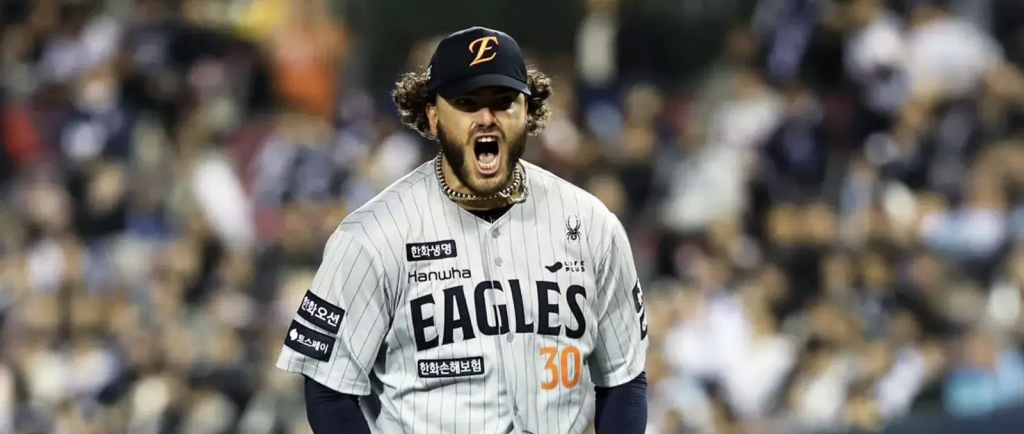
Velocity, command, and how hitters respond will guide early decisions.
What makes Ponce fascinating is not that he must carry the team.
It’s that his success forces Toronto to rethink a structure that already looks complete.
In championship pursuits, discomfort often signals opportunity.
For the Blue Jays, Cody Ponce represents both — a question mark with the power to quietly reshape their entire 2026 pitching plan.
Leave a Reply