The White Sox offseason continued aggressively with the acquisition of Jordan Hicks and David Sandlin, a move initially viewed as clean but quietly layered with unfinished business.

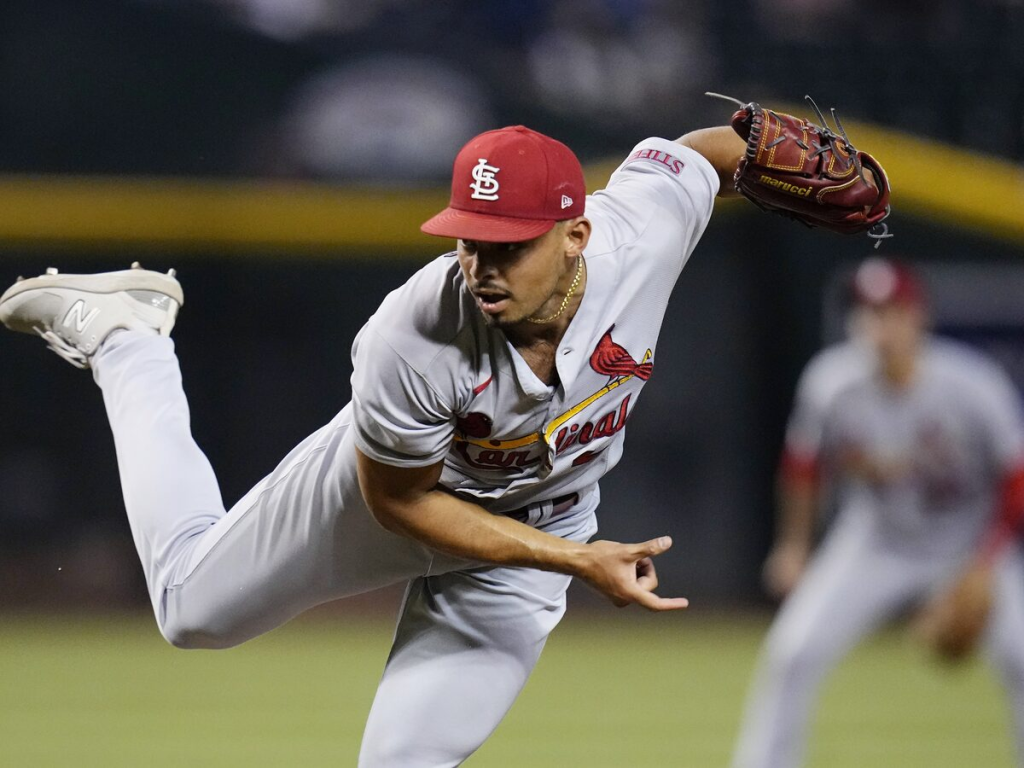
May 14, 2025; San Francisco, California, USA; San Francisco Giants starting pitcher Jordan Hicks (12) delivers a pitch against the Arizona Diamondbacks during the first inning at Oracle Park. Mandatory Credit: D. Ross Cameron-Imagn Images | D. Ross Cameron-Imagn Images
Beyond Hicks and Sandlin, Chicago also received two players to be named later, while Boston will receive one, extending the trade’s impact well beyond February.
By MLB rule, all players to be named later must be finalized within six months, meaning the full transaction remains open until early August.
That timeline matters.
Multiple players to be named later in one deal is uncommon and suggests both front offices deliberately left room for reassessment rather than locking in value immediately.
Each team has likely exchanged a list of eligible players, allowing additional scouting throughout spring training and the regular season before final decisions.
For the White Sox, this wrinkle quietly raises the deal’s ceiling.
Players to be named later are often dismissed as filler, yet baseball history offers plenty of examples where they became meaningful contributors.
Trea Turner famously entered the Nationals organization as a player to be named later, not officially joining Washington until nearly a year after the trade.
Other notable names followed similar paths, including Michael Brantley, Gio González, Marco Scutaro, David Ortiz, and Moisés Alou.
Chicago now holds two opportunities to uncover hidden value without immediate cost or roster pressure.
Even modest contributors would represent a win given the structure of the deal.
On the outgoing side, the White Sox are unlikely to part with a high-end prospect later, especially while absorbing most of Jordan Hicks’ remaining salary.
That financial leverage tilts long-term risk back toward Boston.
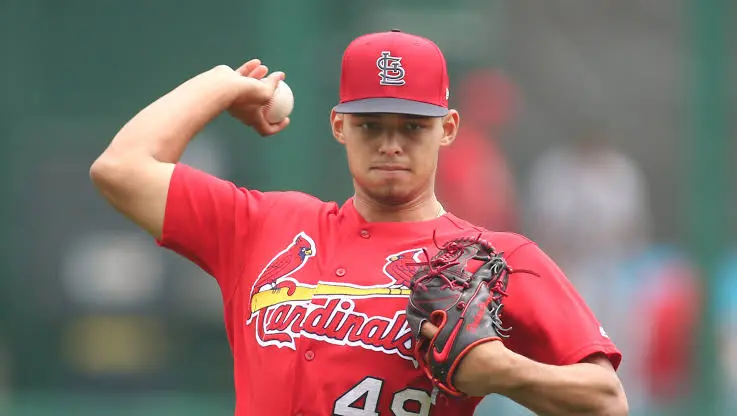
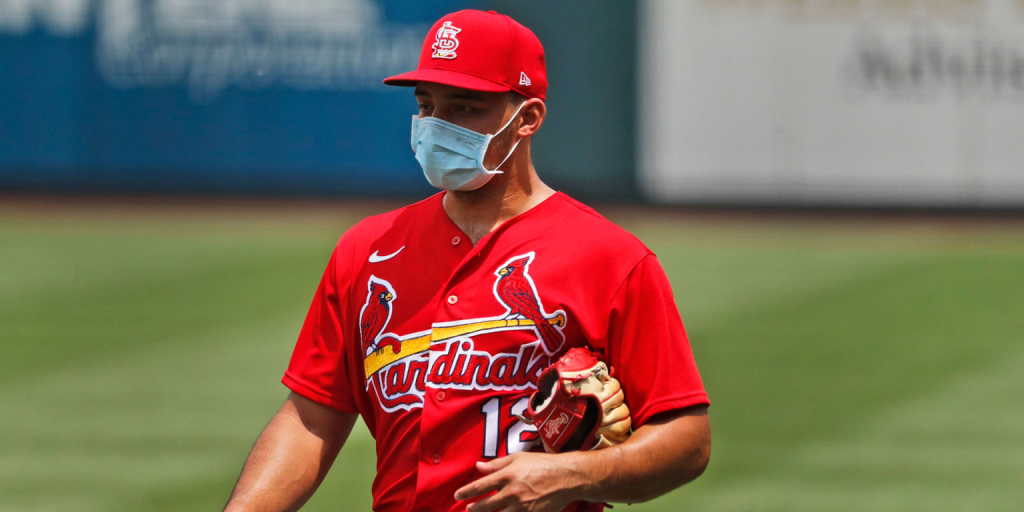
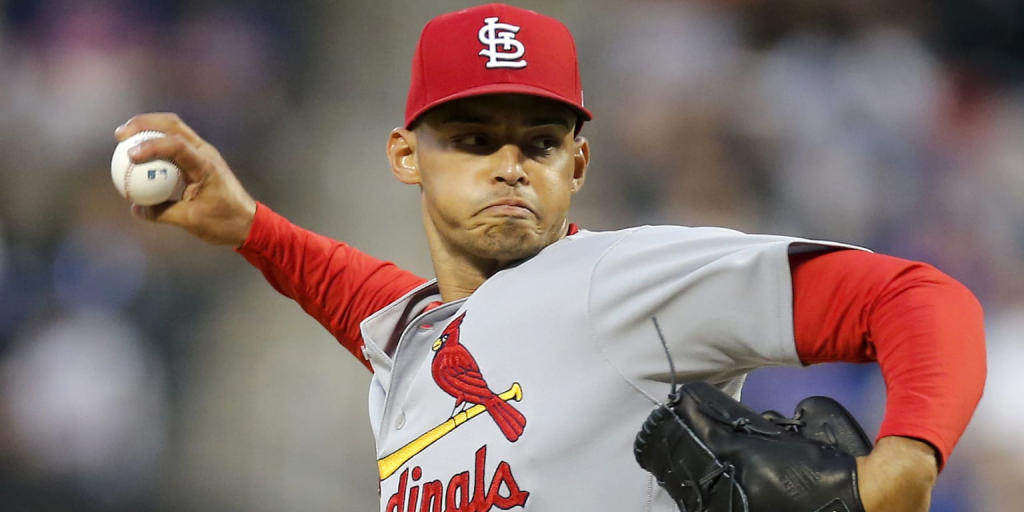
Hicks himself remains a secondary layer of upside.
If he rebounds early, Chicago could flip him at the trade deadline, further multiplying the return from this single transaction.
Still, the true centerpiece is David Sandlin.
Sandlin’s power arsenal, age, and proximity to the majors give him a legitimate chance to impact the starting rotation as soon as this season.
That alone justifies the deal.
The additional players to be named later simply expand the range of possible outcomes.
This type of trade reflects a front office comfortable operating with patience and optionality rather than chasing immediate certainty.
With a low payroll and minimal long-term commitments, the White Sox can afford to let value reveal itself over time.
The Jordan Hicks trade isn’t finished.
It’s suspended.
And when it finally concludes months from now, it may look even more favorable than it already does today.
Leave a Reply